

Muddy paws on the kitchen floor and yellow burn spots across the lawn wear down even the most patient Utah dog owner. Artificial turf for pets in Utah holds up well to dogs when three things line up: pet-grade turf, a drainage-focused base, and a simple cleaning routine. This guide gives an honest look at each, and at how Utah Valley Landscaping approaches artificial turf installation for families with pets.
Why Are Utah Pet Owners Trading Mud and Brown Spots for Artificial Turf?
Utah’s climate is tough on grass that dogs use every day. Snowmelt turns worn patches into mud, summer heat and watering limits stress the lawn, and concentrated urine leaves brown spots that are slow to recover.
Imagine a late-March afternoon in Highland. The snow has finally melted, the backyard is a patchwork of mud and matted grass, and your dog has just sprinted through the soggiest corner before heading straight for the back door. Now repeat that after every thaw, every sprinkler cycle, and every rainy spring week.
For many Utah County families, the appeal of pet-friendly turf Utah homeowners can rely on is simple: a yard that looks green in August, stays usable after a storm, and lets kids and dogs play together without a towel station at the door. In a water-scarce state, many homeowners also want to water less. The Utah Division of Water Resources shares current conservation guidance worth reviewing.
Now for the candid part. Turf does not solve every problem on its own. It gets warm under strong high-elevation sun, and it develops odor when drainage or infill is wrong. Each of those issues has a practical fix, and the rest of this guide walks through them.
Is Artificial Turf Safe for Dogs? What to Check Before You Buy
Artificial turf is a sound choice for most dogs when the product and installation are built for pets. Before you buy, look closely at three things: surface heat, what the materials are made of, and physical safety at seams and edges.
Artificial Turf Heat and Dogs in Utah
Any synthetic surface warms up in direct sun, and Utah Valley’s elevation and clear summer skies make that sun intense. When it comes to artificial turf heat, dogs, Utah sun, and yard orientation all factor in. Ask about heat-reducing fiber options and lighter infill, plan for afternoon shade, and give your dog a cool retreat nearby. Rather than trusting a general claim, ask the manufacturer for its heat testing data, and check the surface yourself with the back of your hand on hot afternoons.
Materials and What They Are Made Of
Request the manufacturer’s spec sheet and ask whether the turf and infill have third-party lab testing for heavy metals such as lead. A reputable product comes with documentation you can read, not just a sales promise.
Seams, Edges, and Physical Safety
Loose seams and lifted edges are what curious diggers find first. Seams should be glued and secured, and the perimeter should be anchored and tucked so paws and teeth have nothing to grab. If your dog chews or swallows things it shouldn’t, factor that into your infill choice.
Questions to Ask Your Installer
- Is the turf backing fully permeable or hole-punched?
- What base material will you use, and how will you compact it?
- How will you handle slow-draining or clay soil in my yard?
- Which infill do you recommend for pets, and why?
- Can I see the manufacturer spec sheet and any material testing documents?
- How will you secure seams and edges against digging?
- Which cleaners are safe for this product?
- Can I review the written warranty documents before signing?
What Makes Pet-Grade Turf Different From Standard Turf?
Pet-grade turf is designed to move liquid through quickly and stand up to repeated paw traffic. The biggest differences are the backing, the density and height of the fibers, and how well the fibers recover after use.
- Fully permeable backing. Standard turf often drains through small holes punched across the backing. Fully permeable backing lets liquid pass through the entire surface, which matters far more when the liquid is urine rather than rain.
- Shorter, denser pile. Pile height is how tall the blades stand. A shorter, dense pile is easier to rinse and pick up after, and it gives waste fewer places to hide.
- Resilient fibers. Dogs wear paths along fences and between favorite spots. Fibers with good “memory” spring back instead of matting flat.
- Antimicrobial treatment. Some backings and fibers include treatments that help slow bacterial growth. Treat these as support for your cleaning routine, not a replacement for it.
- Heat-conscious options. Fiber shapes and colors designed to reflect more sunlight are worth asking about for south- and west-facing yards.
When you compare quotes, ask for pile height, face weight (the amount of fiber per square yard, a rough measure of density), and backing type in writing. If you’re wondering how these choices affect the total cost, our guide to artificial turf costs in Utah explains the factors, and a free estimate gives you a number specific to your yard.
Why Is Drainage the Most Important Factor for Pet Turf in Utah?
Most pet turf odor problems start below the surface, not in the blades. If urine can’t drain quickly through the backing and base, it sits, concentrates, and builds smell, so sub-base design matters more than any other decision.
Artificial turf drainage for dogs in Utah requires extra care because some Utah County yards sit on dense, slow-draining clay. Utah State University Extension offers practical resources on local soils. A pet turf installation Utah homeowners can trust is typically layered like this:
- Excavation. Existing sod, roots, and organic soil are removed so nothing breaks down and settles beneath the turf later.
- Grading the native soil. The ground is shaped with a gentle slope away from the house and toward a spot where water can safely go.
- Drainage upgrades where needed. In slow-draining soil, a gravel trench or perforated drain line carries liquid out of the area instead of letting it pool.
- Weed barrier placement. If a barrier is used, it belongs beneath the base, never directly under the turf, where it holds liquid against the backing. Placing it directly under the turf is one of the most common mistakes in pet installs.
- Compacted aggregate base. Angular crushed rock is spread and compacted in layers, creating a firm surface that still lets liquid pass through.
- Fine leveling layer. A thin top layer is smoothed and graded so no low spots collect urine.
- Turf, seams, and edges. The turf is rolled out, seams are joined and secured, and the perimeter is anchored.
- Infill. Infill is brushed into the fibers to support the blades and help manage odor.
This is where craftsmanship shows up, even though you’ll never see it once the turf is down.
Curious how your yard’s soil and slope would shape a pet turf install? Call Utah Valley Landscaping at (801) 899-9199 or Get a Free Estimate to talk through your space.
What Is the Best Infill for Dog Turf in Utah?
There is no single best infill for dog turf, but for dedicated pet areas in Utah, a mineral infill like zeolite, often paired with coated sand, handles odor and cleaning well. The right mix depends on how your dogs use the space, how much sun it gets, and how often you plan to rinse.
- Zeolite. A natural mineral that holds ammonia, a major source of urine smell, then releases it when rinsed. Regular rinsing essentially recharges it.
- Coated sand. Silica sand with a smooth coating, sometimes antimicrobial, that sheds liquid better than bare sand and adds weight to keep turf in place.
- Plain silica sand. Common and heavy, but its rough grains trap residue, making it a weaker fit for potty zones.
- Crumb rubber. Made from recycled tires. Many pet owners pass on it because it holds heat in full sun and carries a rubber smell of its own.
- Organic infills. Cork, coconut fiber, and similar blends feel cooler when damp, but Utah’s dry air dries them out quickly, and they break down faster than mineral options.
How Infill Supports Turf Odor Control in Utah
Utah’s dry summers bring little rain to flush turf naturally, so urine concentrates between rinses. Pairing an odor-managing infill with a regular rinse is what makes turf odor control Utah homeowners can count on realistic. No infill removes odor permanently on its own.
How Do You Keep Artificial Turf for Pets Clean in Utah?
Keeping pet turf clean comes down to small, regular habits: pick up solids daily, rinse weekly, deep clean monthly, and adjust for each Utah season. Routine care keeps odor from building, which is far easier than chasing it later.
Daily and Weekly
- Pick up solid waste daily and hose off any residue.
- Rinse potty spots weekly, and more often in summer.
- Keep a hose with a spray nozzle near the dog area so rinsing takes seconds.
Monthly
- Apply an enzyme-based cleaner made for artificial turf to high-use zones. Enzymes break down the residue plain water leaves behind.
- Brush against the grain with a stiff synthetic-bristle broom, never a wire brush, to lift fibers and redistribute infill.
- Look for thin infill spots and any low areas that hold liquid.
Seasonal Care for Utah Weather
- Spring: After snowmelt, do a thorough rinse and enzyme treatment, top up infill, and check seams and edges after freeze-thaw cycles.
- Summer: Rinse potty zones more often, and rinse play areas before hot-afternoon use to cool the surface.
- Fall: Clear leaves promptly, since wet leaf piles trap moisture and odor.
- Winter: Keep picking up waste, even in snow. Use a plastic shovel if you clear snow, and skip rock salt, which leaves gritty residue in the infill.
A low-maintenance yard for dogs Utah families can enjoy is realistic, but it isn’t a no-maintenance yard. These habits add up to a surface that stays pleasant for the whole family.
How Should You Plan a Pet Turf Area: Dog Run or Full Yard?
The right pet turf layout follows how your dog actually uses the yard. A dedicated dog run keeps potty traffic in one well-drained zone, while a full-yard layout gives everyone room to play and works best when potty areas get extra drainage attention.
A Dedicated Dog Run
A synthetic turf dog area Utah County homeowners place in a side yard or near the back door keeps cleanup close to the hose and away from where kids play. It’s also the easiest place to concentrate enhanced drainage and zeolite infill.
A Full-Yard Layout
If your dogs have the run of the yard, design around their habits: pavers or rock along fence lines they patrol, shade near favorite resting spots, and border plantings that are safe for pets. Check plant choices against the ASPCA’s toxic and non-toxic plant list before planting.
Pet Turf as Part of a Whole-Family Yard
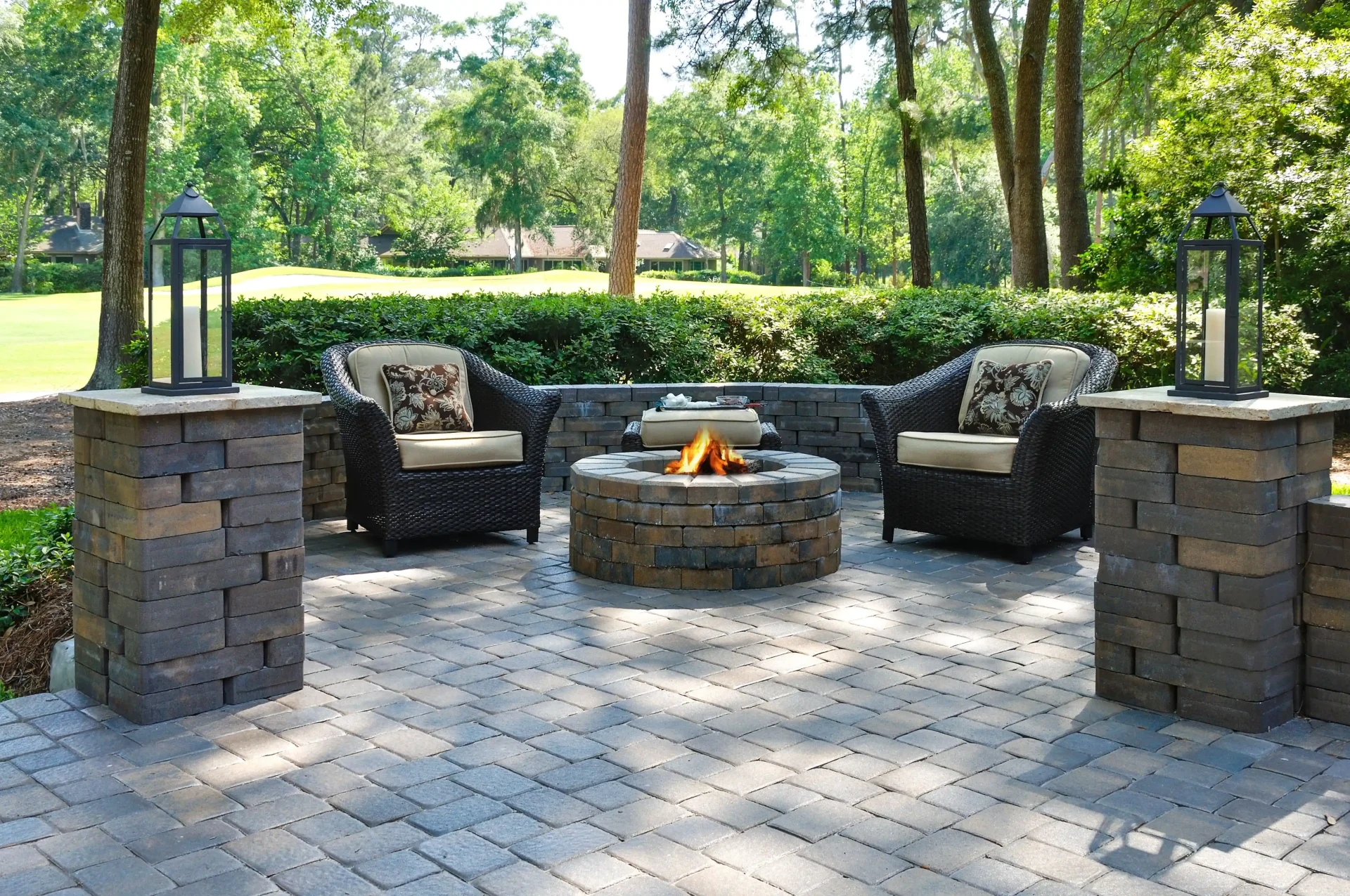
Turf works beautifully alongside other features: a patio built with pavers and hardscaping, exterior lighting for safe nighttime potty trips, or a fire pit area where the family gathers while dogs lounge nearby. Our approach means every layout is custom-tailored to your space, your dogs, and how your family actually uses the yard. Whether you’re in Orem, Highland, or elsewhere in Utah County, the goal is the same: a yard that works hard for everyone in the family.
When it comes to the artificial turf installation itself, the product you choose and the company installing it determine almost everything about how the yard performs. Utah Valley Landscaping installs pet-grade turf with fully permeable backing, builds drainage-first sub-bases, and uses infill selected for Utah’s dry climate. If you’re ready to move forward, explore our artificial turf service to see what a purpose-built pet turf install looks like.
Right turf, right drainage, right routine: that’s the honest formula for artificial grass for dogs Utah families can enjoy year-round, clean and comfortable. Choose pet-grade turf with fully permeable backing, build a base that moves liquid through fast, and keep up with a simple rinse-and-brush routine through every season.
Frequently Asked Questions
Does artificial turf get too hot for dogs in Utah summers?
Artificial turf can get uncomfortably warm in direct Utah sun, especially in south- and west-facing yards at higher elevations. You can reduce the heat by choosing heat-conscious fibers and lighter mineral infill, and by avoiding crumb rubber, which holds heat. Planting or building shade over favorite play spots and rinsing the turf before afternoon use both help cool the surface. Before letting your dog out on a hot day, press the back of your hand to the turf, and schedule outdoor play for mornings and evenings when possible.
How do I get rid of pet odor in artificial turf?
Start with a thorough rinse of the affected area, then apply an enzyme-based cleaner made for artificial turf to break down the residue water alone leaves behind. If the smell keeps coming back, top up or switch to zeolite infill, which traps ammonia and releases it when you rinse. Persistent odor usually points to a drainage problem, such as a low spot, a compacted base, or a weed barrier placed directly under the turf. In those cases, a professional inspection of the base is often the only lasting fix.
What type of infill is best for artificial turf with dogs?
For most Utah pet owners, zeolite paired with coated sand is a strong choice for potty and high-traffic areas. Zeolite helps control urine odor, and coated sand sheds liquid and adds weight to keep the turf in place. Plain silica sand tends to trap residue, and crumb rubber holds heat and carries its own smell. Organic infills feel cooler when damp but dry out quickly in Utah’s arid climate and break down sooner than mineral options.
Does artificial turf drain well enough for a yard with multiple dogs?
Yes, as long as the turf has fully permeable backing and the base is built to move liquid through quickly. More dogs mean more concentrated urine, so grading, a compacted aggregate base, and drainage upgrades for clay soil become even more important. Many multi-dog households benefit from a designated potty zone with enhanced drainage and zeolite infill. You should also plan to rinse more often than a single-dog home would.
How long does pet turf last compared to regular artificial grass?
Pet turf is built to handle constant paw traffic and frequent rinsing, so it generally holds up better under dogs than standard turf. Resilient fibers that spring back, a dense pile, and a well-built base all help it resist matting and wear along fences and favorite paths. How long any turf lasts depends heavily on product quality, installation, sun exposure, and how consistently you maintain it. Review the manufacturer’s written warranty before you buy to see what coverage applies to your specific product.
Can I install artificial turf myself if I have dogs?
A DIY install is possible, but pet turf leaves little room for error because mistakes show up as odor and pooling. The most common problems come from skipping proper excavation, under-compacting the base, placing a weed barrier directly under the turf, and leaving seams or edges loose enough for dogs to dig at. Yards with clay soil or poor slope may also need drainage upgrades that are hard to get right without experience and equipment. Keep your dogs off the area until the job is complete, and consider at least a professional consultation on drainage before you start.
How often should I clean artificial turf if I have a dog?
Pick up solid waste every day, and rinse potty areas at least once a week. Once a month, apply an enzyme cleaner to high-use zones and brush the fibers with a stiff synthetic broom to lift them and redistribute infill. In Utah’s dry summers, and in homes with more than one dog, rinse potty spots more often because there is little rain to flush the turf naturally. Add a deeper cleaning and infill check each spring after snowmelt.
Ready for a Yard That Works as Hard as Your Dogs Do?
Dogs are hard on grass. Mud, brown spots, and persistent odor are not just cosmetic problems, they limit how much you actually use your yard, push mess into your home, and wear on your patience through every Utah season. A lawn that never fully recovers is not a minor inconvenience; it’s wasted space your family could be enjoying every day.
Leave the problem unsolved and the cycle continues: another muddy spring, another summer of brown patches, another round of cleaning the floors your dog tracked across after a rainstorm. The longer natural grass struggles under heavy dog traffic, the more it costs in water, lawn care products, and time trying to revive something that was not built to handle what your pets put it through.
Artificial turf built and installed specifically for pets changes that equation. Utah Valley Landscaping designs pet turf areas around how your dogs actually use your yard, with drainage engineered for Utah’s soils, infill selected for odor control in a dry climate, and edges and seams secured against curious diggers. Every install is tailored to your yard’s slope, soil, and sun exposure so the surface performs the way it should from day one.
If you’re in Provo, Orem, Highland, or anywhere across Utah County, the team at Utah Valley Landscaping is ready to walk through your space and build something that fits your family and your pets. Contact us to get started with a free estimate.