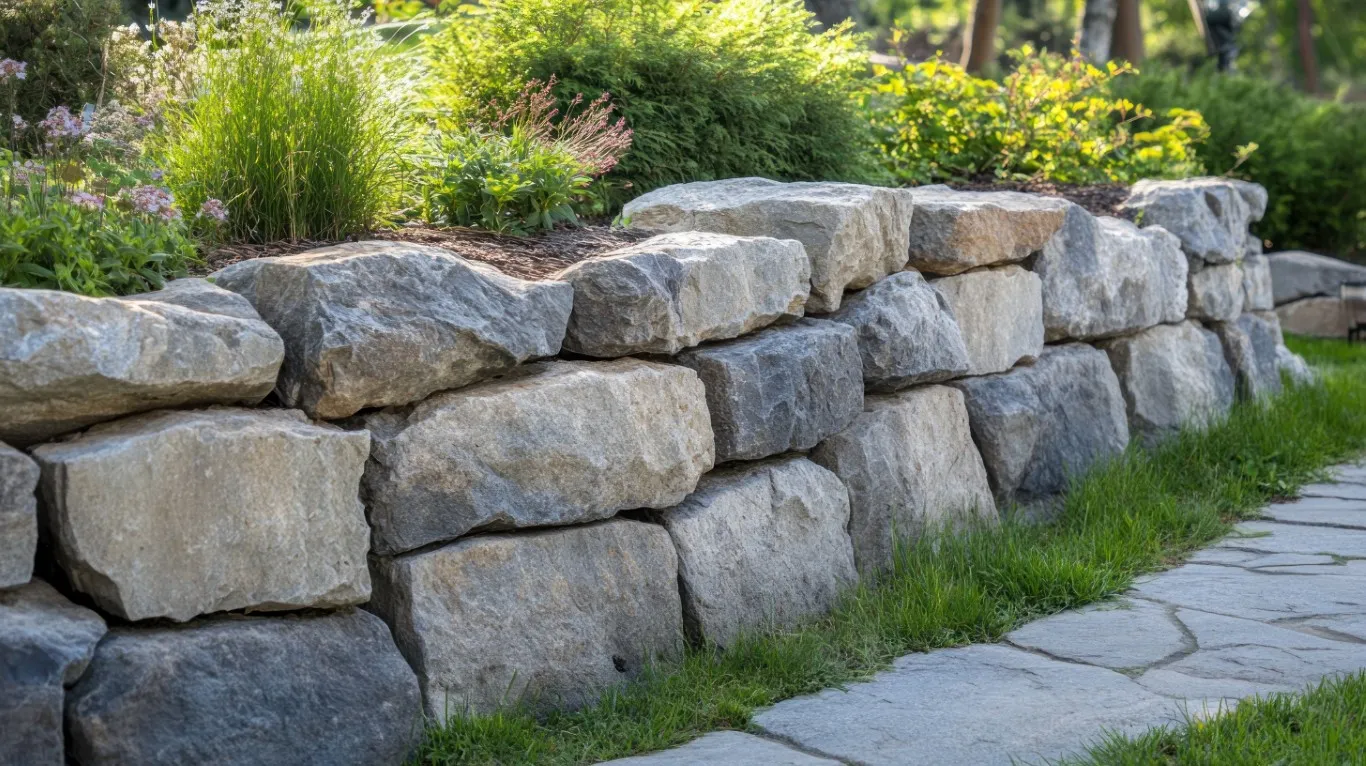


Creating a low-maintenance backyard that enhances your property’s value and curb appeal is a smart investment, especially in Utah’s climate. With long, hot summers, unpredictable spring weather, and snowy winters, landscaping in Utah requires thoughtful planning and durable solutions. At Utah Valley Landscaping, we specialize in outdoor spaces that are both easy to care for and visually impressive year-round.
Why Low-Maintenance Landscaping Matters in Utah
Utah’s climate is characterized by temperature extremes, dry air, and increasing water restrictions. These conditions place high demands on traditional landscaping methods. Homeowners and property managers benefit from designs that minimize ongoing care while withstanding local environmental stresses.
Low-maintenance doesn’t mean sacrificing beauty. In fact, the right design can make your yard more attractive and functional by reducing clutter, water use, and maintenance time. It’s about creating a landscape that thrives naturally in Utah’s environment, not one that constantly fights it.
Smart Design Starts with the Right Materials
Material selection sets the foundation for a lasting, low-effort landscape. In Utah, hardscapes should handle both heat and freeze-thaw cycles without cracking or fading.
Recommended options include:
- Concrete: Excellent for patios and walkways, especially when properly sealed to prevent moisture penetration.
- Pavers: Versatile and attractive, ideal for pathways, patios, and driveways. Individual units can be replaced if damaged.
- Decomposed granite: A cost-effective ground cover for pathways or between planting beds that supports drainage and limits weeds.
Choosing light-colored materials also helps reduce heat absorption, making surfaces more comfortable during hot months. Our paver installations are designed for performance and style, matching the architecture of your home.
Xeriscaping and Drought-Tolerant Planting Zones
Utah’s arid climate makes xeriscaping an essential component of smart landscaping. Rather than eliminating greenery, xeriscaping emphasizes water-efficient planting and zoning.
Key xeriscaping strategies include:
- Grouping plants by water needs to optimize irrigation.
- Using native and adaptive species that tolerate drought, such as Apache Plume, Russian Sage, and Blue Fescue.
- Mulching beds with bark or gravel to retain soil moisture and reduce weed growth.
Xeriscaping also reduces the size of turf areas, lowering both water use and maintenance. For homeowners interested in sustainable beauty, this approach delivers long-term value and resilience.
Artificial Turf and Ground Covers: Low-Maintenance Lawn Alternatives
Lawn care in Utah often requires extensive water, mowing, and weed control. Artificial turf provides an excellent alternative that offers year-round green without the upkeep.
Benefits of artificial turf include:
- No mowing or fertilizing required.
- Built-in drainage for stormwater control.
- Consistent appearance in all seasons.
For those who prefer living ground cover, options like creeping thyme or dwarf mondo grass can offer low-profile, low-water coverage in select zones. We design artificial turf systems tailored to Utah soil conditions and residential needs.
Functional Hardscapes for Beauty and Utility
Low-maintenance backyards often rely on hardscaping to define spaces and reduce the area requiring regular upkeep. When planned strategically, hardscapes contribute both function and visual interest.
Common features include:
- Patios and outdoor seating areas built with pavers or stamped concrete.
- Fire pits that extend outdoor usability into cooler months.
- Stone pathways connecting key areas of the yard, limiting grass wear.
Our hardscape projects often integrate custom fire pits and elevated planters for visual texture with minimal effort. These elements also help delineate zones for relaxation, dining, or play.
Lighting, Irrigation, and Smart Additions
Simple technologies and thoughtful enhancements can transform a landscape from high-maintenance to nearly self-sustaining. Automated systems support efficiency and improve usability after dark.
Recommended upgrades include:
- Drip irrigation with zone controls to ensure each plant type gets the right water amount.
- Weather-responsive irrigation controllers that adjust based on rainfall and temperature.
- Exterior LED lighting for safety and ambiance, placed to highlight key features.
Utah Valley Landscaping also offers exterior lighting solutions that improve curb appeal and functionality, with minimal power consumption and maintenance.
Avoid These Common Mistakes in Low-Maintenance Landscaping
A low-maintenance design still requires strategic planning. Some common missteps include:
- Overplanting or using fast-growing species that require constant trimming.
- Choosing non-native ornamentals that are susceptible to drought or pests.
- Installing turf in shaded or high-traffic areas where it will struggle and wear out quickly.
Avoiding these mistakes saves time and prevents expensive corrections. Our landscape design team can help you create a layout that looks great and works in the long term.
Investing in a Backyard Built for Utah Living
A well-designed low-maintenance yard is more than a convenience—it’s a strategic asset that enhances property value, reduces utility costs, and improves livability. Whether you’re building a new home in Lehi or updating a backyard in Spanish Fork, Utah Valley Landscaping delivers solutions that are durable, practical, and tailored to your space.
We serve homeowners and property managers across Utah County with a reputation for getting things right from the start. If you’re ready to plan a backyard that works for your lifestyle and your environment, contact us for a consultation.
Frequently Asked Questions
What are the best low-maintenance plants for Utah yards?
Native and adaptive plants like Russian Sage, Utah Serviceberry, Blue Fescue, and Yarrow require less water and thrive in Utah’s climate.
Can artificial turf handle Utah’s winter weather?
Yes. High-quality turf is designed to handle snow, ice, and freeze-thaw cycles without damage or color loss.
How much water can xeriscaping save compared to a traditional lawn?
Xeriscaped landscapes can reduce water use by up to 60 percent, depending on plant choices and irrigation efficiency.
Do I need a permit to install hardscape features like patios or fire pits?
In many Utah cities, permits are required for certain hardscape features. We manage permitting as part of our full-service installation process.
Can I mix artificial turf with natural planting areas?
Absolutely. Blending turf with xeriscape beds or hardscape features is a great way to balance aesthetics and maintenance needs.