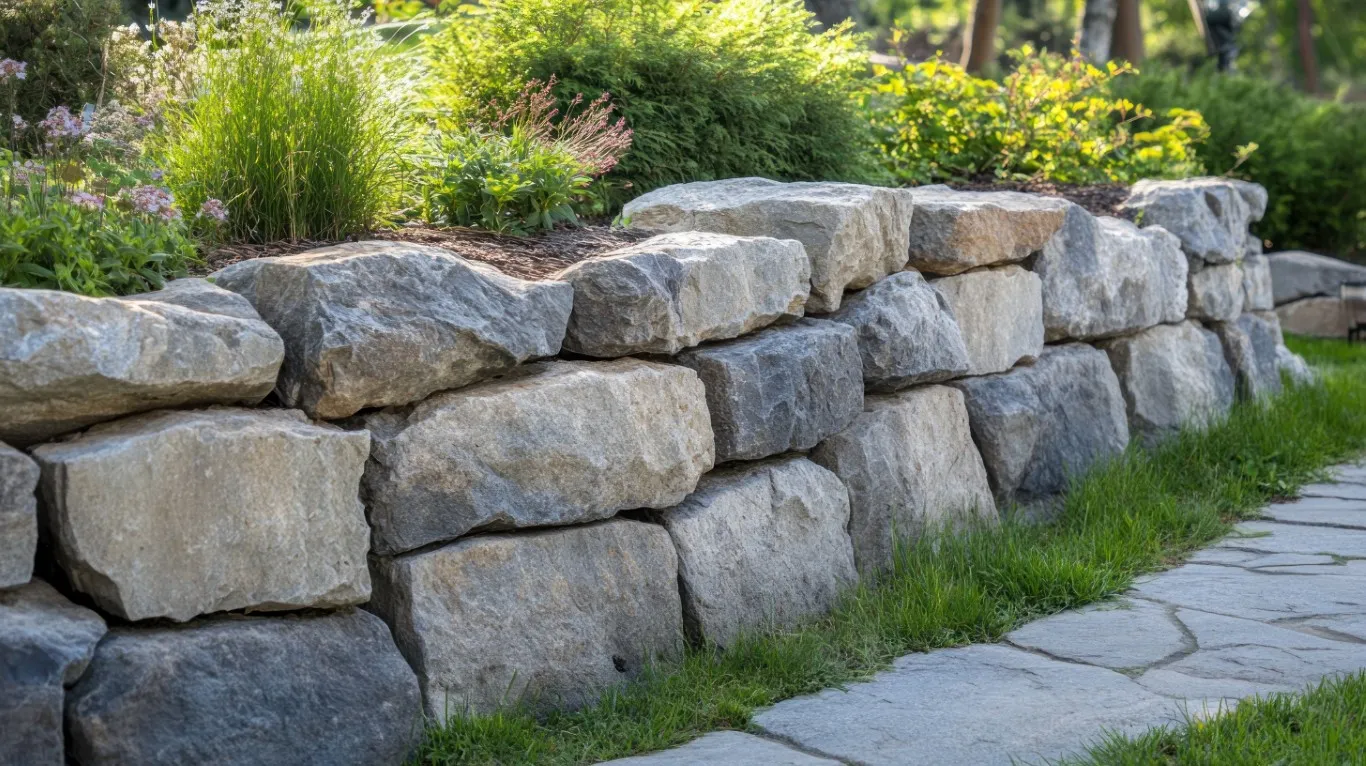

That paver patio you love in daylight can turn into a shadowy trip hazard the moment the sun drops, and a dark yard is exactly what an opportunistic intruder looks for. Well-designed outdoor lighting for your Utah backyard genuinely improves both safety and beauty. It removes trip hazards on steps and pathways, reduces the dark blind spots intruders rely on as part of a layered approach, and extends the hours your family can actually enjoy the space. Here is where to start and what to prioritize with outdoor lighting Utah homeowners can put to work.
Does Outdoor Lighting Actually Improve Safety in Your Backyard?
Yes, strategic outdoor lighting improves backyard safety by illuminating trip-and-fall hazards and reducing the dark concealment zones that opportunistic intruders prefer. This matters most in yards with grade changes, steps, and low-traffic side gates, all common features in Utah Valley homes built on foothill lots.
Many Utah Valley backyards sit on sloped or terraced lots, especially in areas like Alpine, Highland, and the Cedar Hills benches. That layout means steps between patio levels, retaining walls, and pathways that curve out of sight. After dark, those features become genuine fall risks for kids, guests, and older family members.
On a typical local job, pathway lighting Utah homeowners request along a paver walkway solves the trip hazard directly. Low path lights spaced along the walk give your eyes a clear line from the back door to the fire pit without the harsh glare of a single bright bulb. Perimeter lighting near side gates and fence corners handles the second job: reducing the shadows where someone could stand unseen.
Crime prevention guidance from law enforcement and national safety resources consistently points to visibility as a core principle of safer property design. Good exterior lighting is often described as a foundational element of Crime Prevention Through Environmental Design (CPTED). For more on this framework, see the U.S. Department of Justice CPTED resources. Put plainly: a yard you can see clearly is a yard that is both safer to walk through and, as part of a layered approach, less appealing to a prowler.
Which Areas of Your Yard Should Be Lit First?
The highest-priority zones to light are entry points, pathways and steps, and dark perimeter areas near fences and gates. Lighting these three zones first delivers the biggest safety and usability gains for the fewest fixtures.
Here is how the priorities break down:
- Entry points (front door, garage, side gates): These are where you and your family arrive and leave in the dark. Good light here means safer footing and clear visibility of who is at the door.
- Pathways and steps: Any change in elevation is a fall risk after sunset. Path lights along a walkway or step lights on a paver staircase keep everyone sure-footed after an evening gathering.
- Dark perimeter zones: Fence corners, the gap behind a shed, and the narrow side yard are the spots that stay pitch black. Security lighting backyard placement removes those blind spots and makes the whole yard feel usable.
Utah’s long summer evenings are a real reason to prioritize functional lighting. In June and July, families in Provo, Orem, and Lehi are outside well past 9 p.m., and the light lingers late before fading fast. Once it does, an unlit patio empties out quickly. Thoughtful lighting keeps the kids playing, the conversation going, and the space working long after the sun drops behind the mountains.
If you are pairing lighting with a new walkway or patio, plan both together. Our approach to paver patios and hardscaping accounts for fixture placement during design, so the lighting looks intentional rather than added as an afterthought.
Do Outdoor Lights Deter Intruders? What the Evidence Shows
Outdoor lights do not guarantee an intruder-free property, but motion-activated and strategically placed perimeter fixtures reduce the concealment that opportunistic intruders depend on. Lighting works best as one layer in a broader home security approach, not a standalone solution.
We want to be honest rather than overpromise. Lighting alone will not stop a determined burglar, and no fixture can replace locked doors and good sightlines. What lighting does well is take away the easy option. Opportunistic break-ins tend to favor dark, unwatched entry points, so a well-lit perimeter makes your home a less convenient target as part of a layered approach.
Crime prevention guidance from law enforcement agencies and university extension programs consistently describes exterior lighting as part of a layered defense. The University of Wisconsin-Madison Extension publishes practical home safety guidance in this spirit. The most effective configurations for Utah backyards tend to be:
- Motion sensor outdoor lights at side gates and garage approaches, which draw attention to movement rather than staying on all night.
- Timer-based or dusk-to-dawn fixtures for consistent baseline visibility at entry points.
- Steady perimeter lighting that eliminates the fence-corner shadows an intruder would otherwise use.
Combine that with clear sightlines, secure fencing, and smart landscaping choices, such as keeping tall shrubs away from windows, and lighting earns its place as a genuine part of your home’s security, not a false promise.
Are LED Outdoor Fixtures Worth It for Utah Homeowners?
Yes, LED outdoor fixtures are the practical default for Utah homeowners because they use significantly less energy than halogen or incandescent alternatives and last far longer, which matters when lights run year-round. LED outdoor lighting Utah homes rely on also handles Utah’s temperature extremes better than older bulb types.
Durability is the real story for our climate. Utah Valley swings from very hot summers to hard winter freezes, and that range is tough on fixtures. Quality landscape lighting Utah Valley crews install is built to run reliably through both extremes, so you are not replacing bulbs after a rough January cold snap. Fewer replacements mean less maintenance and less climbing around in the dark to swap components.
Color temperature is worth understanding before you choose fixtures. Warm white light, in the lower Kelvin range, creates the inviting glow you want around a patio, pergola, or fire pit area where the family gathers. Cooler, whiter light reads as crisper and works better for security zones and driveways where clarity matters more than ambiance. A good layout often mixes both.
Every yard is different in size, layout, and fixture count, so the honest move is to contact us for specifics on your project. That way the plan reflects your actual space rather than a generic estimate.
How Does Outdoor Lighting Transform the Look and Feel of a Utah Backyard?
Well-placed outdoor lighting transforms a backyard by extending its usable hours and highlighting the features you already love. It turns a flat, dark space into a layered, inviting outdoor living space after sunset, so the yard feels like a genuine extension of your home. These backyard lighting ideas Utah families gravitate toward work because they build on what is already there.
Utah backyards have great raw material to work with. Natural stone, boulder walls, mature trees, and xeriscape plantings all respond beautifully to exterior lighting landscaping Utah techniques. A few approaches do most of the work:
- Uplighting landscape Utah features on a specimen tree or a rock feature gives depth and drama, casting soft light up the trunk or across the stone texture.
- String lights over a patio or pergola create the warm, gathered feeling that makes people linger. These are among the most popular patio lighting ideas Utah homeowners ask for.
- Path lights lining a paver walkway guide the eye and the feet at the same time.
- Accent lighting tucked into planting beds highlights the shapes of drought-tolerant grasses and shrubs.
These techniques pair naturally with the water-wise designs so many Utah homeowners now choose. When you plan lighting alongside a drought-friendly landscape design, the fixtures can showcase the texture and structure of xeriscape plantings that might otherwise disappear into the dark.
The secret to a natural-looking result is layering: ambient light for overall glow, task light for pathways and cooking areas, and accent light for features. When all three work together, nothing feels over-lit or spotlighted. Your yard simply reads as comfortably lit for the way your family actually uses it.
What Are the Most Common Outdoor Lighting Mistakes Utah Homeowners Make?
The most common outdoor lighting mistakes are over-illuminating the yard, underlighting pathways, ignoring dark entry gates, and mixing clashing fixture styles. Each one undercuts both safety and beauty, and each is avoidable with a planned layout.
We see the same pitfalls again and again, so let us name them plainly:
- Over-illuminating floods the yard with harsh, glaring light that kills ambiance and creates deep shadows just outside the bright zones. More light is not better light.
- Underlighting pathways leaves the exact trip hazards lighting is supposed to solve, especially on steps and sloped walks.
- Ignoring dark entry gates leaves the highest-value safety zone in shadow while decorative lights get all the attention.
- Mismatched fixture styles scattered across the yard make even a nice space feel piecemeal and unplanned.
The honest truth about DIY lighting is that the fixtures are the easy part. Design is what separates a yard that looks intentional from one that looks like a hardware-store afterthought. A planned layout balances brightness across zones, matches fixtures to the home’s style, and puts light exactly where safety and beauty need it, rather than wherever an outlet happened to be. Because our layouts are custom-tailored to each yard rather than pulled from a template, the light lands where your space actually needs it. That planning is the difference professional design makes.
What to Expect When Working With Utah Valley Landscaping on Exterior Lighting
Working with us on exterior lighting starts with a conversation about how your family actually uses the yard, followed by a custom design, professional installation, and a final walkthrough. We do not do cookie-cutter layouts, so every plan is tailored to your specific space, not built from a template.
Here is how it typically goes:
- Free consultation: We talk through how you live in your yard, where the kids play, where you gather, and which areas feel unsafe or unused after dark. It is a no-pressure starting point with no obligation.
- Custom design: We map a layout designed for your specific yard and your existing or planned landscaping, whether that is a paver patio, a fire pit area, or a xeriscape design. Our familiarity with Utah’s temperature swings and long summer-evening culture shapes fixture selection and placement in ways generic national advice misses.
- Installation: Our licensed and insured crew handles the work with professional craftsmanship, so the wiring is clean and the fixtures are placed exactly as designed.
- Walkthrough and warranty: We walk the finished space with you at night to confirm it feels right, and the work is backed by our 1-year warranty on workmanship for peace of mind.
Our goal is an outdoor living space your whole family can enjoy safely after the sun goes down, a place for late-summer evenings and warm-glow winter curb appeal alike.
Ready to see what thoughtful lighting could do for your yard? Contact Utah Valley Landscaping to start with a free, no-pressure consultation, or call us at (801) 899-9199. Let’s create an outdoor space you can enjoy day and night.
Frequently Asked Questions
Does outdoor lighting really deter burglars and intruders?
Outdoor lighting does not stop a determined burglar on its own, but it reliably reduces the dark concealment zones that opportunistic intruders rely on. Motion-activated fixtures at side gates and garage approaches draw attention to movement, while steady perimeter lighting eliminates the fence-corner shadows a prowler would use. The most effective results come from treating lighting as one layer alongside locked doors, secure fencing, and clear sightlines. Think of it as making your home a less convenient target rather than a guaranteed defense.
What areas of my backyard should I prioritize for outdoor lighting?
Start with three zones that deliver the biggest safety and usability gains: entry points, pathways and steps, and dark perimeter areas. Entry points like the front door, garage, and side gates need light for safe footing and clear visibility of who is arriving. Pathways and steps are the most common trip hazards after sunset, especially on the sloped and terraced lots common in Utah Valley. Finally, dark perimeter zones near fence corners, sheds, and narrow side yards remove the blind spots that keep a yard from feeling fully usable.
Are LED outdoor lights worth the investment for Utah homeowners?
Yes, LED fixtures are the practical default because they use far less energy than halogen or incandescent options and last significantly longer, which matters when lights run year-round. Durability is the bigger advantage in our climate, since Utah Valley swings from very hot summers to hard winter freezes that punish lesser fixtures. Quality LED lighting handles those extremes reliably, meaning fewer replacements and less maintenance over time. You also gain flexibility with color temperature, using warm white for gathering areas and cooler tones for security zones.
What is the difference between pathway lighting and security lighting?
Pathway lighting uses low, evenly spaced fixtures along walkways and steps to guide the eye and the feet, preventing trips without harsh glare. Security lighting focuses on eliminating dark blind spots at fence corners, gates, and other perimeter areas where someone could stand unseen. Pathway lighting is primarily about safe, comfortable movement through the space, while security lighting is about visibility and deterrence around vulnerable zones. A well-designed yard uses both, often mixing steady path lights with motion-activated fixtures at entry points.
How does outdoor lighting increase the value or usability of a Utah backyard?
Outdoor lighting extends the hours your family can actually use the yard, which matters most after Utah’s long summer evenings fade fast and an unlit patio empties out. It also highlights features you already own, from natural stone and boulder walls to mature trees and xeriscape plantings, giving the space depth and character after dark. This turns a flat, dark yard into a layered outdoor living space that feels like a genuine extension of your home. That combination of expanded usability and improved curb appeal adds real value both day and night.
Can outdoor lighting work with xeriscaping and drought-resistant Utah landscapes?
Absolutely, and water-wise landscapes often benefit the most from thoughtful lighting. Accent lighting tucked into planting beds highlights the shapes and textures of drought-tolerant grasses and shrubs that would otherwise disappear into the dark. Uplighting on a specimen tree or rock feature adds drama by casting soft light across natural stone and structure. Planning lighting alongside your xeriscape design lets the fixtures showcase the exact features that make water-wise landscapes distinctive.
How do I avoid over-lighting my backyard and ruining the ambiance?
The key is layering rather than flooding the space with bright fixtures, since more light is not better light. Combine ambient light for overall glow, task light for pathways and cooking areas, and accent light for features so no single zone feels harsh or spotlighted. Over-illuminating actually creates deep shadows just outside the bright areas, which undercuts both comfort and safety. Warm white tones around patios and gathering spots help maintain an inviting mood, and a planned layout balances brightness across the whole yard so it reads as comfortably lit for how your family uses it.
{“meta_title”:”Outdoor Lighting for Utah Backyards: Safe & Beautiful”,”meta_description”:”Does outdoor lighting for Utah backyards really boost safety and beauty? See which zones to light first, why LEDs win, and how to avoid costly mistakes. Free estimates.”}