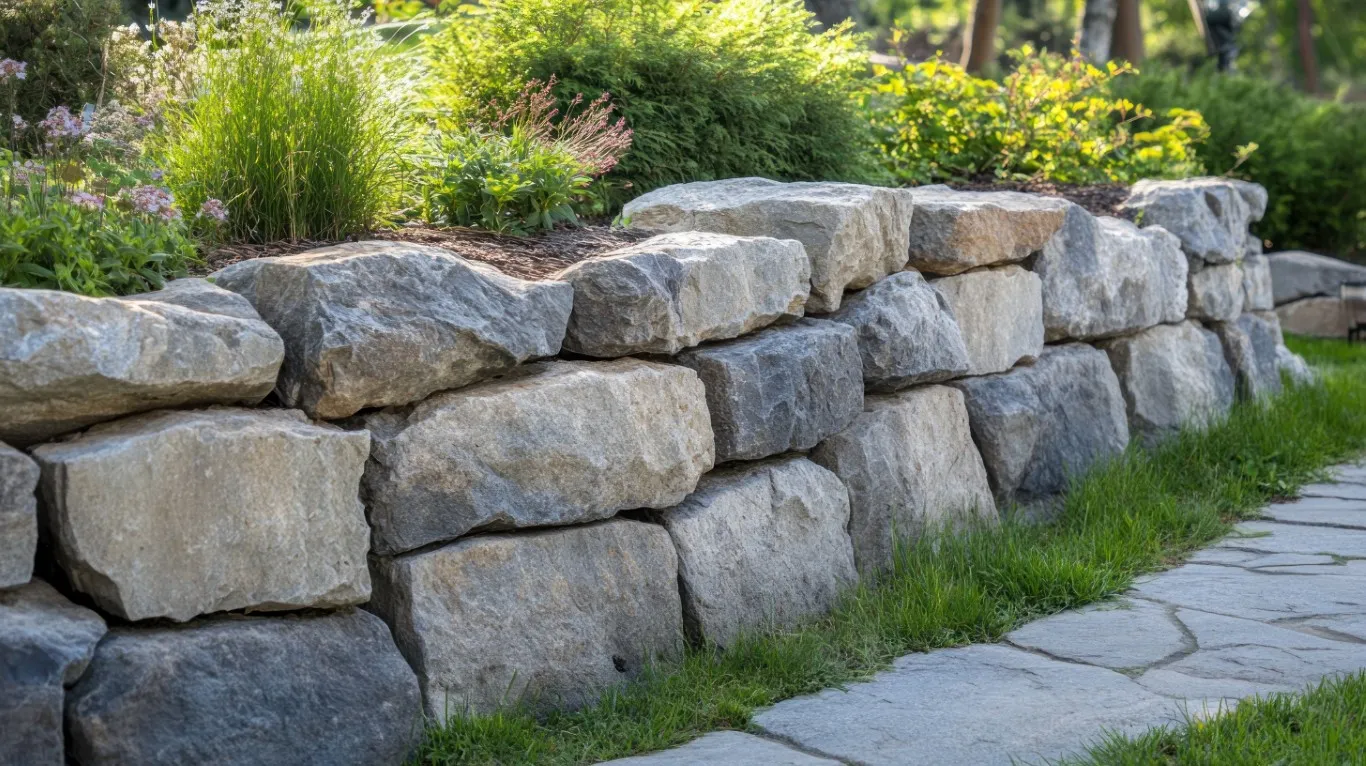


In Utah Valley’s distinct climate, adding vibrant color to your landscape requires more than just planting a few flowers. Strategic use of regionally adapted plants, durable materials, and thoughtful design can transform outdoor spaces into visually engaging environments that look beautiful throughout the year. Whether you’re a homeowner planning a yard refresh or a property manager overseeing a community space, the right combination of plantings and decor can create a lasting visual impact.
Why Color Matters in Landscape Design
Color is one of the most powerful tools in outdoor design. It influences how a space feels, where attention is drawn, and how different elements relate to one another. In landscape design, color adds structure, contrast, and seasonal variety.
Warm colors like reds and oranges create energy and draw the eye, while cool hues like blues and purples offer calm and depth. Color theory also plays a role in visual balance. A well-designed landscape doesn’t overload the senses but uses accent colors with intention, helping focal areas stand out without overwhelming the rest of the space.
Utah’s Climate Considerations for Vibrant Landscaping
Utah’s high-desert climate presents both opportunities and constraints when it comes to landscape color. Hot summers, cold winters, alkaline soil, and inconsistent rainfall all influence plant performance and material selection.
To succeed, landscape color choices must align with:
- Full-sun tolerance and drought resistance
- Soil adaptability for regional pH levels
- Seasonal endurance, especially with freeze-thaw cycles
Selecting plants and decor that are compatible with these conditions will ensure your landscape stays colorful and resilient across seasons.
Best Plants for Adding Lasting Color in Utah Yards
Choosing the right plants is essential for vibrant landscaping in Utah. Prioritize those that offer strong color performance while tolerating local environmental conditions.
Perennials That Pop
These plants return year after year with minimal maintenance:
- Coneflower (Echinacea): Long bloom period and bold purple-pink flowers
- Blanket Flower (Gaillardia): Red-yellow hues and exceptional heat tolerance
- Daylilies: Dozens of color options and hardy root systems
- Salvia: Deep blues and purples, excellent pollinator attractor
Shrubs with Foliage & Bloom Impact
Shrubs add structure and seasonal interest:
- Barberry: Vibrant red or purple foliage throughout the season
- Spirea: Bright pink blooms and golden fall color
- Smoke Bush: Deep burgundy leaves with airy, smoke-like plumes
Annuals for Seasonal Color Boosts
Add short-term impact in beds or containers with:
- Petunias: Wide color range and consistent blooming
- Zinnias: Bright blooms ideal for sunny areas
- Marigolds: Orange and yellow tones with pest-repelling properties
Native & Drought-Tolerant Options
For a water-wise yet colorful approach:
- Penstemon: Tubular flowers in pink, red, or purple
- Desert Marigold: Cheerful yellow blooms on silvery foliage
- Globe Mallow: Orange-pink blossoms that thrive in poor soil
Decorative Elements That Complement Plant-Based Color
Plants aren’t the only way to add visual interest. Functional and artistic decor can provide color that lasts all year and enhances the surrounding landscape.
Garden Decor & Sculptures
Add personality with:
- Glazed ceramic pots in bold colors
- Painted metal sculptures or trellises
- Colorful garden stakes or birdbaths
Hardscape Color Integration
Incorporate tone and texture through:
- Stamped or stained concrete in earth tones or muted colors
- Pavers with blended hues or borders in contrasting colors
- Tile or stone accents in fire pit or wall installations
Furniture and Fabrics
Outdoor living areas can become focal points with:
- Cushions and umbrellas in coordinated color schemes
- Painted wood or metal benches
- Planter groupings arranged by color families
Using Seasonal Rotation to Maximize Year-Round Color
One of the best ways to keep your yard visually interesting throughout the year is by planning for seasonal transitions. Start with a base of year-round color and layer in seasonal highlights.
Approaches include:
- Spring: Bulbs like tulips and daffodils add early color
- Summer: Perennials and annuals peak in bloom and coverage
- Fall: Shrubs and ornamental grasses change foliage color
- Winter: Evergreen structure and hardscape decor maintain interest
Containers are a great way to rotate seasonal color, allowing for flexibility and minimal disruption to the landscape.
Lighting to Highlight Colorful Features
Well-placed lighting not only extends usability but also enhances the visibility of colorful elements after dark. Uplighting trees, spotlighting colorful walls, and path lights near beds all help draw attention to landscape color.
Considerations for lighting include:
- Warm lights to accent reds, oranges, and earthy tones
- Cool lights to enhance blues, whites, and silvers
- Directional lighting to create dramatic focal points
Smart exterior lighting also offers energy efficiency and programmable color settings.
Design Tips for Balanced & Intentional Color Use
It’s easy to overdo color if there’s no plan. A cohesive color strategy ensures the landscape feels intentional rather than chaotic.
Design strategies include:
- Use a limited palette with consistent accents across different zones
- Repeat color themes in plants, furniture, and decor
- Highlight one or two focal areas with strong color and keep surrounding areas neutral
This intentionality enhances both curb appeal and the overall experience of the space.
When to Call in the Pros for Color Planning
While DIY projects can get you started, a professionally designed landscape ensures balance, longevity, and adaptability. Experts understand Utah’s microclimates, soil composition, and irrigation needs, ensuring your color choices last.
Professional services help with:
- Selecting compatible plant and hardscape materials
- Planning multi-season color impact
- Installing efficient watering systems to support colorful plant health
For larger transformations or new builds, expert guidance prevents costly mistakes and delivers high-quality results.
Frequently Asked Questions
What plants bloom the longest in Utah’s climate?
Coneflower, blanket flower, and salvia are top choices for extended bloom time in Utah’s hot, dry conditions.
Can I create a colorful yard without using a lot of water?
Yes. Many native and drought-tolerant plants like globe mallow and penstemon offer bright colors with low water needs.
How often should I rotate seasonal decor or plants?
Twice a year is ideal. Swap in new annuals and outdoor decor in spring and fall for fresh seasonal impact.
Are colorful hardscape features more expensive?
Not always. Many pavers and stamped concrete options include integral color or surface treatments with little added cost.
What’s the best time to add new plants for color?
Spring and early fall are optimal for most plant installations in Utah, allowing roots to establish before temperature extremes.