
Proper drainage is not just an optional landscaping feature—it’s the backbone of a healthy, low-maintenance, and long-lasting yard in Utah Valley. Our region’s unique combination of clay-heavy soils, sudden spring downpours, unpredictable snowmelt, and varied elevations means that one poorly placed downspout or a poorly graded slope can quickly turn your dream yard into a costly, soggy mess. Over the years, Utah Valley Landscaping has helped countless homeowners and property managers prevent these headaches with carefully designed drainage systems that handle the challenges of our local environment. If you’re tired of battling pooling water, squishy lawn spots, or erosion around patios and retaining walls, this guide will walk you through practical solutions, key warning signs, and when to bring in professional help to protect your investment for the long term.
Why Proper Yard Drainage Matters in Utah’s Climate
While Utah is generally known for its dry, desert-like climate, the Wasatch Front, including Utah Valley, sees concentrated moisture at specific times of year. During spring and late summer, short bursts of heavy rain can dump inches of water in hours, easily overwhelming compacted clay soils that already struggle to absorb moisture quickly. In early spring, melting snow from higher elevations runs off into neighborhoods that were never designed to handle the extra flow. Without an efficient drainage system, this excess water has nowhere to go but toward your home’s foundation, under patios, or into low-lying lawn areas.
Poor drainage often leads to far more than just a muddy yard. Standing water near your foundation can seep into basements or crawl spaces, leading to mold and mildew that can be costly to remove and dangerous for your family’s health. Root rot and plant loss are common when flower beds sit waterlogged for days at a time. You may also notice your hardscape features, like patios or retaining walls, beginning to crack or shift as water erodes the soil underneath. Over time, these problems compound—making early drainage planning a small investment compared to the expense of major repairs later on.
Common Yard Drainage Issues We See in Orem, Lehi, Provo & Beyond
Drainage problems aren’t always obvious at first. Many Utah Valley properties have subtle grading or soil issues that cause trouble over time. For example, some homeowners notice low spots in the lawn that stay soaked for days after every storm, creating muddy areas that never fully dry out. In other cases, homes built on slopes experience runoff that washes topsoil down the hill, leaving bare patches and erosion gullies at the base of the property.
Another issue we see all the time is improper downspout placement. Your roof sheds huge amounts of water during a heavy rainstorm. If downspouts discharge right next to your foundation or flow directly onto a walkway or patio, they can quickly undermine concrete slabs, create slippery algae growth, or pool against basement walls. Hard surfaces like driveways and patios are notorious for redirecting water exactly where you don’t want it—toward planting beds that become over-saturated or lawn areas that turn to mush. These patterns are all correctable, but recognizing them early means you can fix small problems before they become major headaches.
Signs Your Yard Needs Drainage Intervention
It’s not always obvious when poor drainage is quietly damaging your yard and home. One red flag is grass that feels soft or spongey long after the rain has passed—healthy soil should drain and dry within a day or two. If you see white mildew or algae building up along the base of your house, that’s often a sign that water is pooling near the foundation instead of draining away.
Cracks in patios or uneven paver walkways are another telltale clue. These surfaces rely on a stable sub-base. If water constantly washes out soil underneath, they will heave and shift with freeze-thaw cycles. Watch your downspouts, too. If they splash dirt or mulch away every time it rains, they’re not draining water far enough from the house. Lastly, if you notice exposed tree roots or shrubs that seem to tilt over time, soil erosion could be washing away their support system. A simple walk around your yard during or right after a storm can reveal a lot about where water naturally wants to go—and where it’s getting stuck.
French Drains: The Go-To for Subsurface Water Issues
French drains are one of the most effective, versatile solutions for redirecting excess groundwater before it damages your yard or home. Essentially, a French drain is a shallow trench filled with gravel and a perforated pipe that collects water and channels it safely to a discharge point away from your home’s vulnerable areas. Here in Utah, we frequently use French drains in flower beds that get oversaturated, around lawns that stay soggy because clay soils don’t drain well, or at the base of slopes where runoff collects.
But a French drain must be designed correctly. It’s not just about digging a hole and dropping in a pipe—contractors must calculate the right slope for water to flow efficiently, understand where your water table sits seasonally, and ensure there’s no risk of backup or clogging. Over time, debris and silt can build up inside the pipe, so regular flushing and inspection are essential for long-term performance. Homeowners often ask what they cost: in Utah, you can generally expect to pay around $10 to $65 per linear foot for an exterior drain system, with typical residential installations falling between $1,500 and $6,500, depending on length and depth.
Surface Grading and Swales: Directing Surface Water Naturally
Not every drainage problem is hidden underground. In fact, many yards struggle simply because surface grading is slightly off. If your yard’s soil slopes toward the house instead of away, rainwater will naturally pool at your foundation, which is exactly where you don’t want it. Correcting this involves reshaping your landscape to ensure water runs where it should—into safe drainage zones, dry creek beds, or well-designed swales.
A swale is a shallow, wide channel—often grass-lined or filled with decorative rock—that gently guides water away from buildings and planting areas that shouldn’t stay wet. They can double as beautiful features when designed with native plants and boulders that fit your overall landscape style. New home construction sometimes overlooks grading, or soil settles in the first few years, creating unexpected dips and backflow issues. This is why we’re frequently called to regrade entire backyards that were compacted too quickly or carelessly after the home was built.
Downspout Extensions and Catch Basins: Managing Roof Runoff
Your roof may look like a simple feature, but it’s a major contributor to your yard’s drainage challenges. Just one inch of rainfall can send thousands of gallons of water down your gutters in a matter of hours. If that water exits right next to your home’s foundation, the risks are obvious: saturated soil, shifting footings, basement leaks, and mold. Extending downspouts with buried PVC pipes can solve this problem. The goal is to channel water far enough away that it won’t circle back.
Catch basins, dry wells, or French drains are often connected to these buried lines, creating a safe holding or redirect point. This approach works especially well in neighborhoods with heavy clay soil that doesn’t absorb runoff efficiently. With the right grading and design, you’ll have peace of mind knowing that roof runoff won’t be the hidden reason your foundation develops cracks or your landscaping fails.
Permeable Hardscape Options: Hardscaping that Helps Drainage
Many homeowners love the look of concrete patios and driveways, but these surfaces have a major drawback: they force water runoff to the edges. This often creates puddles, ice patches in winter, or runoff that saturates nearby planting beds. Permeable paver systems fix that problem. These systems use interlocking pavers with intentional gaps filled with drainage gravel that allows water to seep through into a prepared base layer that slowly drains it away.
Permeable patios and walkways aren’t just functional—they can be stunning design features that blend beautifully with Utah Valley’s native landscape style. They’re especially smart for homeowners concerned about winter safety since these surfaces help prevent icy spots and standing water.
French Drains vs. Trench Drains: What’s the Difference?
Homeowners often confuse French drains and trench drains because they both move water away from trouble spots, but they serve different purposes. A French drain is best for collecting subsurface water from lawns, garden beds, or the base of slopes. It’s designed to pull water out of saturated soil and send it somewhere safe.
A trench drain, by contrast, is a surface system—a narrow channel with a grate that captures water running off hard surfaces like driveways, pool decks, or garage entrances. Trench drains are excellent for areas where heavy runoff from impermeable surfaces can create puddles or wash debris across walkways. Choosing between the two depends on the source of your water problem, your soil’s permeability, and how you plan to use that space in your yard.
Sump Pumps and Drainage Automation for High-Risk Areas
Some properties in Utah Valley face severe saturation challenges, especially older homes with unfinished or poorly waterproofed basements, lots that sit in natural low spots, or sloped sites that direct water straight toward the foundation. In these cases, even the best surface grading and French drains might not be enough on their own. This is where a sump pump becomes an essential part of your drainage plan.
A sump pump system works by collecting water through perimeter drains or underground collection points and then actively pumping that water to a safe discharge area well away from your house. Many homeowners worry about what happens if the power goes out during a major storm—this is why we often recommend backup power sources or battery backups for peace of mind. Proper placement of the sump basin, choice of pump capacity, and correct discharge pipe routing are critical for these systems to perform as expected. When designed and installed correctly, a sump pump acts as your last line of defense, giving you confidence that even unexpected heavy storms or rapid snowmelt won’t sneak into your basement or erode your landscape investments.
Drainage for Sloped Properties and Hillside Homes
If you live in communities like Highland, Eagle Mountain, or other areas with hillside lots, you’re probably already aware that steep grades come with unique runoff and erosion challenges. While the views can be breathtaking, gravity wants to send water—and soil—downhill fast. Without a strategic drainage plan, you may see erosion channels forming on slopes, plant beds washing away, or excessive moisture pooling at the bottom of your lot.
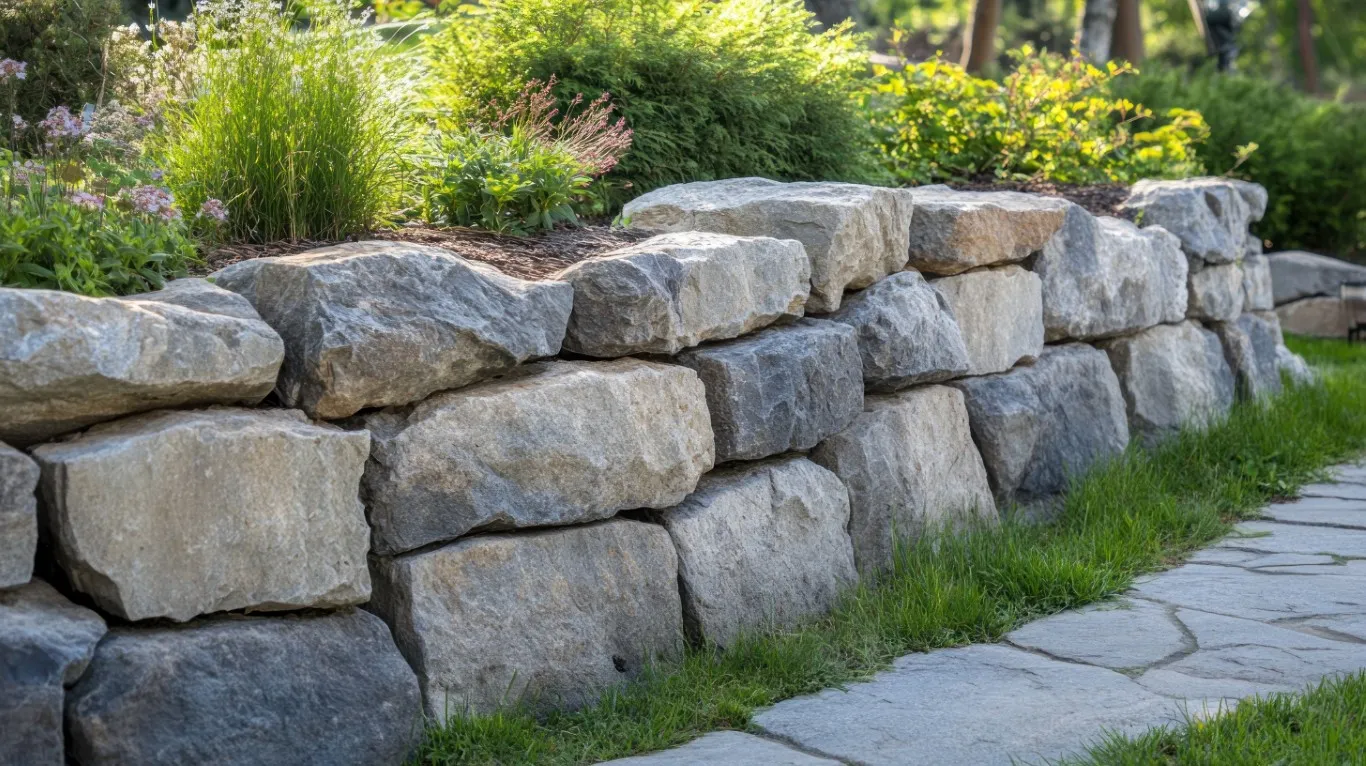
To combat this, we often implement stair-step drainage techniques that break up water flow into manageable sections instead of allowing torrents to build momentum. Rock channels lined with boulders or river rock can carry large volumes of water while blending into the natural landscape. Retaining walls are another vital solution for sloped yards. When built correctly with gravel backfill and weep holes, retaining walls help hold soil in place and give water somewhere to go instead of allowing it to build hydrostatic pressure behind the wall. These details make the difference between a hillside that holds steady for decades and one that crumbles after the first big storm.
Solutions for HOAs and Multi-Home Developments
It’s not just individual homeowners who face drainage challenges—HOA boards and builders often reach out to us to solve issues in shared green spaces, common walkways, or stormwater retention areas. In a multi-home development, poor drainage in one yard can quickly become a headache for neighbors downstream. Unfortunately, it’s common for builders to do the bare minimum with initial grading and drainage, leaving homeowners to deal with erosion, ponding, and standing water after just a few seasons.
When we partner with HOAs, we start with a community-wide grading plan that considers long-term water flow and ensures compliance with local stormwater management regulations. Swales and retention basins can be integrated naturally with the existing landscape, providing both functionality and visual appeal. Retrofitting outdated drainage infrastructure often includes replacing undersized pipes, reshaping shared lawns, or installing modern catch basins that handle overflow more effectively. For a well-kept neighborhood, proactive drainage planning keeps shared outdoor spaces usable, attractive, and low-maintenance.
When to Hire a Professional vs. DIY Drainage Work
Many homeowners ask where they can save money by tackling drainage fixes themselves. Small, preventative tasks like redirecting downspouts away from the foundation, adding extra mulch to slow surface runoff in garden beds, or lightly regrading small patches of soil near patios can absolutely be handled by handy homeowners. These simple steps can make a big difference when done correctly.
However, bigger projects—like installing a French drain, trench drain, or full swale system—require proper slope calculations, understanding soil types, and ensuring that the water you redirect won’t create problems elsewhere on your property or your neighbor’s yard. Improper grading or poorly designed drainage systems often lead to even bigger issues that cost much more to fix later. Retaining walls and multi-zone drainage plans are best left to experienced pros who understand local codes, permit requirements, and the region’s unique soil challenges. Hiring an expert might feel like a bigger upfront investment, but it’s far more cost-effective than paying for repairs or starting over after a DIY project fails.
How Utah Valley Landscaping Designs for Drainage First
One of the biggest mistakes homeowners make is treating drainage as an afterthought—something to fix once puddles appear. At Utah Valley Landscaping, we know that a yard built to last must manage water from the ground up. Every design we create starts with a detailed topographical analysis, evaluating your lot’s natural slopes, low spots, and soil conditions. We then plan out how water will flow during rainstorms or snowmelt, making sure it’s always directed away from your home and valuable landscape features.
This approach doesn’t stop at underground pipes or swales. We integrate grading with hardscape elevations, choosing the right materials and planting strategies that help slow, filter, or absorb water naturally. It’s not just about protecting your investment from soggy grass or cracked patios—proper drainage reduces erosion, keeps plants healthy, and prevents expensive structural problems for decades to come.
Maintaining Your Drainage System Year-Round
Even the best-designed drainage system needs some upkeep to perform at its best season after season. In spring, once the snow melts, it’s wise to walk your property and clear out any debris that may have blocked grates, catch basins, or the openings of French drains. Swales and dry creek beds can become clogged with leaves or branches over winter, so a simple clean-out keeps water flowing where it should.
Summer brings sudden rainstorms that can wash unexpected sediment into your drainage lines. After big storms, it’s smart to check for standing water where none should be and flush out pipes if needed. Fall is when leaves can quickly build up around downspout openings and surface drains—keeping these clear reduces ice build-up when temperatures drop. In winter, make sure drainage routes remain unobstructed by snow piles or ice dams. A few minutes of seasonal inspection can prevent freeze-thaw cycles from damaging your yard’s foundation and hardscape work.
Your Yard’s Long-Term Health Starts with Smart Drainage
Good drainage isn’t about avoiding the occasional puddle—it’s about protecting your entire landscape investment, your home’s foundation, and your peace of mind. Water damage and erosion are far more expensive to fix than they are to prevent. That’s why every project we build at Utah Valley Landscaping starts with water management as the foundation for success.
No two yards are the same—soil type, slope, and your home’s placement all affect what your drainage solution will cost. While national cost calculators are a decent starting point, they can’t replace a local, on-site evaluation. If you’re noticing persistent pooling, water in your basement, or signs of erosion, don’t guess. Request a detailed, local quote from Utah Valley Landscaping. Our experts will walk your property, assess your soil, design a solution that fits your budget, and explain exactly how to protect your investment for years to come.
Frequently Asked Questions
What’s the most common drainage issue in Utah Valley yards?
Pooling water due to compacted clay soil and incorrect grading is the biggest problem we see. It often starts small but can quickly turn into foundation issues and damaged lawns if left unchecked.
Can improving my landscape fix basement water problems?
In many cases, yes. Redirecting runoff away from the foundation with better grading, French drains, or downspout extensions can significantly reduce or eliminate basement moisture.
How much does a French drain cost in Utah?
Residential exterior French drains generally run between $10–$65 per linear foot. In Utah Valley, you’ll likely spend around $1,500 to $6,500 for a typical yard installation, but steeper or longer systems cost more.
Is drainage included with new home landscaping?
Not always. Many new builds have basic grading that settles within a few years. Additional drainage improvements are common once homeowners see where water actually flows.
What’s the best time of year to install drainage systems?
Late spring through early fall is ideal, when the ground is workable and systems can be tested before winter freeze.