

Utah property owners often come to us with questions about how to approach landscaping in a high-desert environment with distinct seasonal extremes. At Utah Valley Landscaping, we believe informed clients make better decisions, and we’re proud to offer expert insights based on decades of work across Utah County. This guide addresses the most common questions we hear—from project timing to climate-adapted design strategies.
When Is the Best Time to Start Landscaping in Utah?
Utah’s climate can be challenging, but the right timing makes all the difference in the success of a landscaping project. The most effective seasons to begin installation or major updates are spring and early fall. These windows offer moderate temperatures, more predictable weather, and optimal planting conditions.
For example:
- Spring (April to early June) is ideal for planting and irrigation upgrades.
- Early fall (late August through October) allows plant roots to establish before winter and is suitable for hardscape work.
We monitor soil moisture, frost timelines, and regional temperature shifts to recommend the best schedule for each client.
What Landscaping Works Best for Utah’s Dry Climate?
With limited rainfall and high summer temperatures, Utah landscapes must be designed for resilience. We often recommend xeriscaping and other water-wise strategies that reduce maintenance and preserve long-term aesthetics.
Key techniques include:
- Drought-tolerant plantings like Penstemon, Utah Juniper, and ornamental grasses
- Efficient irrigation systems like drip lines and smart controllers
- Mulch zones to retain moisture and suppress weed growth
- Use of gravel or stone ground cover in low-traffic areas
Our artificial turf solutions are also a great fit for play spaces, shaded areas, or clients looking to eliminate traditional lawn upkeep.
How Do I Prepare My Soil for Planting in Utah?
Soil in many Utah neighborhoods contains heavy clay and high alkalinity, which can limit plant performance. A professional soil test is the first step. This identifies texture, pH, and nutrient levels, allowing us to customize amendments.
Common recommendations include:
- Organic compost to increase microbial activity and drainage
- Gypsum for compacted clay soils
- Sulfur or iron to lower pH where needed
Prepping the soil correctly sets the foundation for a landscape that thrives, especially in newly developed areas like Saratoga Springs or Eagle Mountain.
What Hardscape Features Add the Most Value in Utah?
Hardscapes increase functionality, visual interest, and curb appeal. In Utah’s freeze-thaw climate, durable materials and proper installation are essential.
Popular features include:
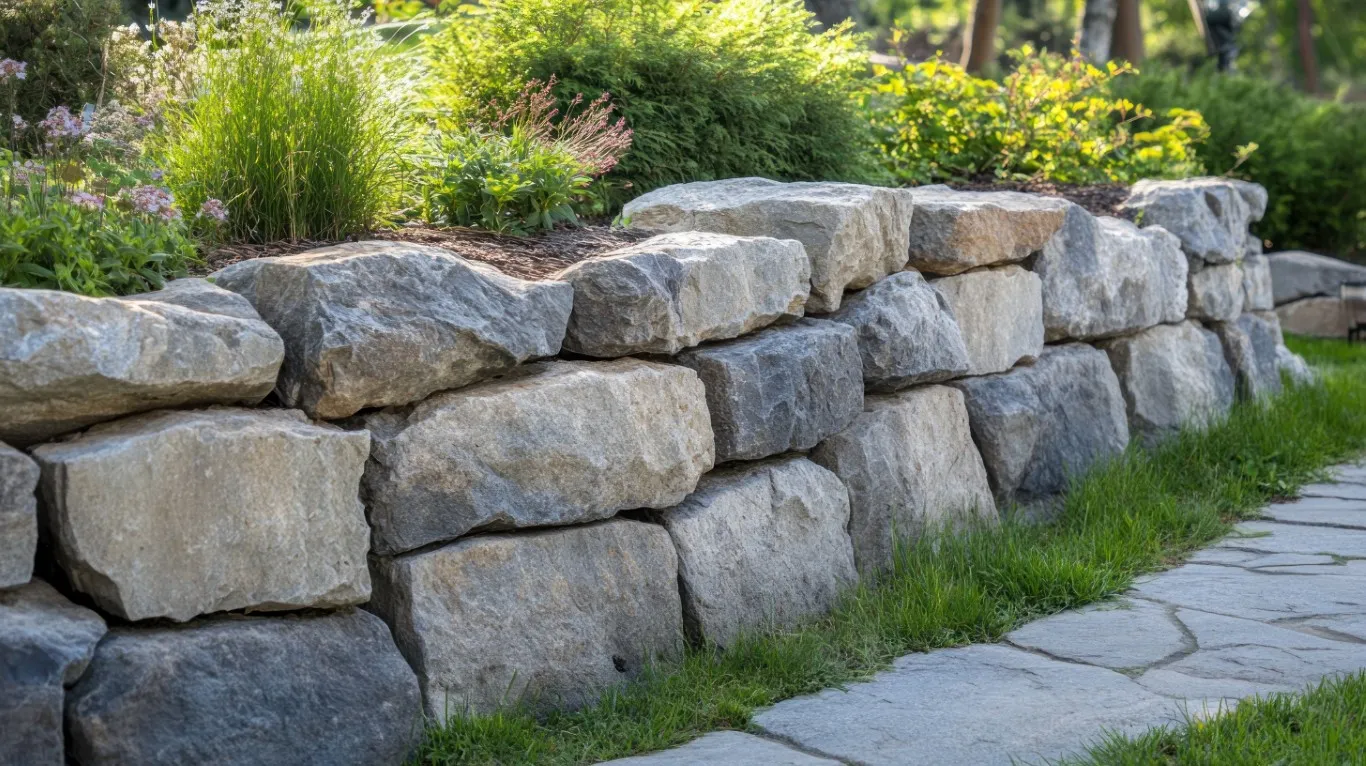
- Retaining walls for slope stabilization and structural planting areas
- Concrete or paver patios for outdoor living and entertaining
- Fire pits for year-round use
- Walkways that manage water runoff and guide traffic flow
Our paver installation services offer a range of textures and tones suited to Utah’s natural surroundings while meeting local engineering standards.
How Much Maintenance Will My Landscaping Require Year-Round?
Landscaping in Utah requires seasonal attention to maintain plant health, hardscape integrity, and irrigation efficiency. We break maintenance down by season for simplicity and consistency.
Typical year-round services include:
- Spring: Cleanup, pre-emergent weed control, irrigation start-up
- Summer: Monitoring water use, trimming, mulching
- Fall: Leaf removal, lawn aeration, winterizing irrigation systems
- Winter: Structural pruning of trees and shrubs, planning for upgrades
Our maintenance plans ensure consistent results with minimal client involvement, especially for large properties or HOA-managed spaces.
Can You Work with My Existing Yard or Do I Need a Full Overhaul?
Many clients assume a total landscape replacement is required, but that’s rarely the case. We evaluate what can be reused, updated, or enhanced to reduce costs and preserve existing value.
This might include:
- Reusing healthy trees or shrubs in a new layout
- Upgrading existing irrigation systems for better coverage
- Replacing limited areas of turf with custom hardscapes or drought-friendly plantings
Whether you’re working from bare soil or refreshing an older yard, our team customizes the scope based on your goals and budget.
How Long Do Landscaping Projects Take in Utah?
Project timelines vary depending on scope, season, and permitting. Smaller upgrades like plant replacements or irrigation updates can take a few days. Full-yard installations with hardscapes, lighting, and grading typically require several weeks.
We factor in:
- Site preparation needs
- Material lead times
- Local weather delays
- Permit approvals for structural features
Our project managers keep clients updated at every stage to avoid surprises and ensure clear expectations.
What Should I Know Before Hiring a Landscaping Company in Utah?
Choosing a landscaping provider should go beyond price. It’s important to hire a licensed, insured team with a clear understanding of Utah’s environment. Look for experience with local soil, plants, drainage, and weather considerations.
Utah Valley Landscaping is known for:
- Decades of regional expertise
- Transparent project planning
- Full-service offerings from design to installation
- Trusted by homeowners, builders, and commercial clients
We’re proud to be a long-standing name in communities from Provo to Highland.
Frequently Asked Questions
What type of plants thrive best in Utah’s climate?
Drought-tolerant and native plants like Russian Sage, Utah Juniper, and ornamental grasses perform well with minimal water and care.
Do I need a permit to install a fire pit or retaining wall?
Depending on size and location, yes. We manage all permitting requirements for our projects.
How can I make my landscaping more water-efficient?
Smart irrigation, xeriscaping, and mulching are effective ways to conserve water and lower utility bills.
What’s the difference between xeriscaping and desert landscaping?
Xeriscaping focuses on low-water usage, while desert landscaping typically includes only rock and cactus. We balance aesthetics with sustainability.
Can I install artificial turf in shaded areas?
Yes, modern artificial turf performs well even in areas with limited sunlight and offers a clean, green appearance year-round.