

The Power of Professional Landscape Design
Landscape design goes beyond planting shrubs and mowing the lawn. It’s a comprehensive approach to shaping outdoor spaces to serve both functional needs and aesthetic goals. Whether you envision a serene garden for relaxation or a dynamic entertainment space for family and friends, achieving this vision requires thoughtful planning and professional insight.
A landscape design consultation is the crucial first step in that process. It aligns your ideas, lifestyle, and budget with the technical and artistic skills of a seasoned expert. This article will walk you through every stage of the consultation, explore the value it provides, and help you make the most of your outdoor transformation.
What Is a Landscape Design Consultation?
A landscape design consultation is a structured meeting between a homeowner and a landscape professional. Its purpose is to explore the site, understand the client’s goals, assess feasibility, and lay the groundwork for a cohesive design plan.
This consultation typically includes the following:
- A review of the homeowner’s vision and needs
- A site walk-through and technical assessment
- Budget discussions and prioritization
- Recommendations for next steps
The goal is to bridge the gap between ideas and implementation by creating a realistic, well-informed roadmap.
The Foundation of Landscape Design: Balancing Art and Science
Landscape Design Defined
Landscape design is the deliberate planning and arrangement of outdoor spaces to meet both practical and aesthetic goals. It integrates elements such as plants, structures, lighting, and pathways into a unified, harmonious environment.
The Artistic Element
Creativity plays a central role. Designers develop visually compelling layouts, choose complementary color schemes, and introduce elements that evoke mood and movement. They may use balance, proportion, and repetition to create unity and interest.
The Scientific Element
Good design must also be functional and sustainable. Professionals analyze factors like:
- Soil composition and pH
- Drainage and runoff patterns
- Sunlight exposure throughout the day
- Microclimates within the yard
- Wind direction and noise sources
Together, these insights inform material choices, plant selections, and long-term maintenance plans.
Key Components of a Thoughtful Landscape Design
Hardscaping
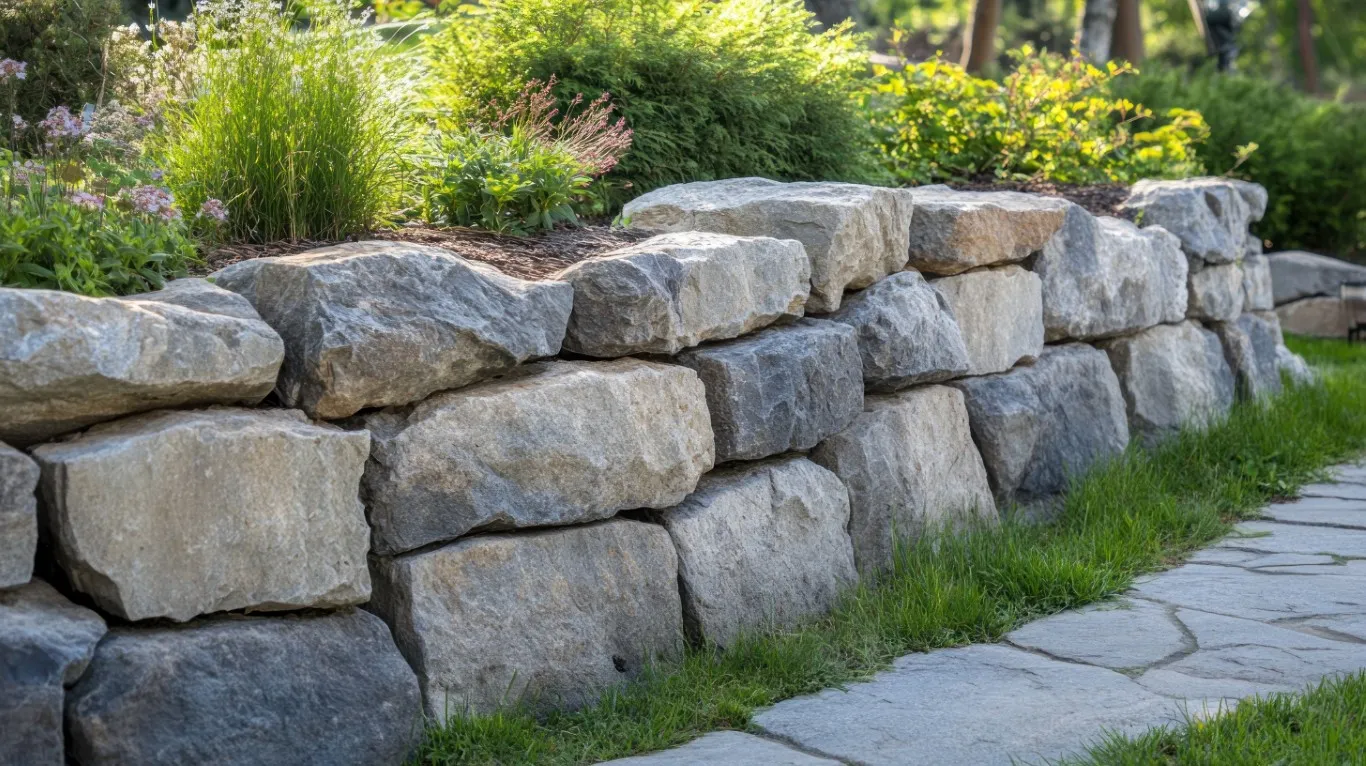
This includes all non-living structures and surfaces, such as patios, retaining walls, decks, fencing, and walkways. Hardscaping defines structure, controls movement, and creates zones for activities.
Softscaping
This is the living layer—plants, flowers, trees, and groundcover. A designer will choose vegetation based on bloom times, foliage texture, height variation, and maintenance requirements, creating year-round appeal.
Irrigation and Lighting
Functional systems ensure health and safety. Efficient irrigation conserves water while promoting plant vitality. Strategic lighting enhances usability at night and highlights focal features.
Sustainability and Ecology
Modern designs often prioritize environmental responsibility by integrating:
- Drought-resistant and native plants
- Organic mulches and compost
- Recycled materials for hardscapes
- Permeable paving to reduce runoff
These elements reduce maintenance, support biodiversity, and lower utility bills.
Inside the Landscape Design Consultation Process
Initial Contact and Pre-Consultation Preparation
The process usually begins with a phone or email exchange. The designer may request:
- Photos of your property
- A survey or site plan
- Notes on drainage, shade, or views
- A list of needs, wants, and style preferences
This prep work saves time and allows the designer to arrive prepared with insights.
On-Site Evaluation
During the site visit, the designer will walk your property to evaluate:
- Topography and grading
- Soil texture and health
- Existing structures and plants
- Traffic flow and access points
- Sun and shade zones
This hands-on assessment uncovers both opportunities (like scenic views or usable slopes) and constraints (like poor drainage or limited space).
Discussion of Your Vision
This part of the consultation centers around your lifestyle:
- Do you need areas for kids or pets?
- Are you looking for privacy from neighbors?
- Do you entertain outdoors regularly?
- Would you like space for gardening or meditation?
Understanding your goals helps ensure the final design is personalized and livable.
Budgeting and Project Feasibility
Designers will offer guidance on what can realistically be achieved within your budget. They may suggest:
- Breaking the project into phases
- Using alternative materials
- Adjusting scale or complexity
Expect ballpark figures during this stage—not exact quotes, but enough to make informed decisions.
Timelines and Permits
If the design involves structural elements or drainage modifications, permits may be required. The designer will outline:
- Expected design and planning timelines
- Seasonal considerations for planting or construction
- Potential permitting delays or steps
Why Hire a Landscape Design Consultant?
1. Professional Expertise Saves Time and Money
Professionals streamline decision-making, prevent costly mistakes, and produce comprehensive plans. They consider factors that most homeowners might overlook, such as underground utilities, sightlines, or HOA regulations.
2. Custom Design Tailored to Your Property and Preferences
Designers use your property’s strengths to full effect. A steep slope becomes a tiered garden. A narrow side yard transforms into a serene pathway. Customization creates functionality and beauty you might not have imagined.
3. Better Contractor and Vendor Connections
Consultants often work with trusted installers, nurseries, and material suppliers. This reduces risk, shortens timelines, and improves quality assurance.
4. Long-Term Return on Investment
Well-planned landscaping can increase property value, enhance energy efficiency (through strategic shade and windbreaks), and reduce monthly maintenance costs.
How to Prepare for a Productive Consultation
Clarify Your Vision and Priorities
Write down:
- Features you must have (e.g., seating, shade, lighting)
- Things you’d like but can live without (e.g., water features)
- Challenges you’re facing (e.g., soggy lawn, lack of privacy)
Collect Inspiration
Browse platforms like Pinterest, Instagram, or landscape design magazines. Save images that reflect styles, materials, or colors you like. These visuals help designers understand your preferences more clearly than words alone.
Ask the Right Questions
Prepare thoughtful questions, such as:
- What types of designs are most effective in our climate?
- Can you provide renderings or 3D models?
- What is your experience with sustainable or native landscaping?
- How do you handle unforeseen site challenges?
- Will you manage the build or refer contractors?
Common Deliverables from a Landscape Design Consultation
After your consultation, you may receive:
- A written summary of observations and recommendations
- Conceptual layout sketches
- Budget estimates for different options
- A design agreement if you decide to move forward
Some consultants also offer digital tools such as CAD drawings, 3D modeling, and virtual walkthroughs for an additional fee.
Sustainable Design in Practice
Sustainability is more than a trend—it’s a guiding principle in modern landscaping. It ensures your design is both beautiful and ecologically responsible.
Xeriscaping
This technique emphasizes drought-resistant plants, mulching, and efficient irrigation to reduce water use without sacrificing beauty.
Native Plants
Plants adapted to your region’s conditions are easier to care for, more resilient to pests, and better for local ecosystems.
Stormwater Management
Rain gardens, bioswales, and permeable pavers reduce runoff, filter pollutants, and recharge groundwater.
Urban vs. Rural Design Considerations
Urban Spaces
Designing in tight, highly-regulated areas may require:
- Creative use of vertical space
- Compact, multi-functional zones
- Special permits and zoning awareness
Rural Properties
Here, the designer might incorporate:
- Large plantings or natural meadows
- Retention ponds and windbreaks
- Wildlife-friendly features
Each setting presents unique opportunities and restrictions. A consultant ensures that both are approached strategically.
Latest Trends in Landscape Design
- Outdoor Living Rooms: Seamless extensions of your indoor space with kitchens, fire pits, and lounges.
- Low-Maintenance Lawns: Artificial turf and no-mow ground covers are increasingly popular.
- Smart Technology Integration: App-based lighting, irrigation, and monitoring systems.
- Wellness Landscaping: Spaces designed for meditation, exercise, or sensory engagement.
These trends reflect a broader desire for multifunctional, sustainable, and enjoyable outdoor environments.
Real-Life Examples of Landscape Transformation
Before: A plain backyard with poor drainage and minimal shade.
After: A terraced landscape with a dry creek bed for runoff, pergola-covered seating area, and native plants for color and texture.
Before: A suburban yard with patchy grass and no privacy.
After: Strategic fencing, ornamental grasses, and climbing plants create a private, lush oasis.
Designers often showcase such projects in their portfolios—ask to see these before deciding who to work with.
FAQs About Landscape Design Consultations
How long does a consultation take?
Typically 1 to 2 hours, depending on property size and complexity.
Is there a cost involved?
Yes. Some charge a flat consultation fee, while others apply the fee toward the project if you proceed.
What happens after the consultation?
You’ll receive recommendations, and possibly concept sketches. From there, you can commission a full design.
Can I implement the design in phases?
Absolutely. Many clients build in stages to align with their budget.
Do I need permits for landscaping?
It depends. Structural changes, grading, or utility work often require permits. A consultant will advise you.
What if I don’t like the initial plan?
Designers expect feedback. Most allow for one or more rounds of revision.
Making the Most of Your Outdoor Space
A landscape design consultation is not just a planning session—it’s a critical first step toward transforming your outdoor area into a place of beauty, functionality, and enjoyment. Whether you’re working with a blank canvas or seeking to refresh an existing yard, a well-conducted consultation lays the foundation for a successful project.
By aligning your needs with expert insights, you can avoid costly missteps, uncover hidden opportunities, and unlock the full potential of your property. Investing in this process is an investment in your quality of life and your home’s long-term value.