

The difference between a landscape that thrives for decades and one that struggles from the start often comes down to a single factor: timing. At Utah Valley Landscaping, we’ve spent over a decade helping homeowners throughout Utah County transform their properties into beautiful outdoor living spaces where families create lasting memories. The key to our success? Understanding exactly when to install each landscape element for maximum establishment, longevity, and return on investment.
Professional landscape installation isn’t just about choosing the right materials or creating an attractive design. It’s about strategic timing that accounts for Utah’s unique climate, proper sequencing that ensures each element supports the next, and careful planning that protects your investment. According to the National Association of Realtors, professionally installed landscaping can increase property values by 15-20% while delivering returns of 100-200% of the initial investment. But these impressive numbers only materialize when installation happens at the optimal time with proper techniques.
Whether you’re planning a complete backyard transformation with hardscaping and irrigation systems, refreshing your front yard’s curb appeal, or adding drought-tolerant plantings to reduce water bills, the timing of your landscape installation directly impacts your long-term success. Let’s explore how to schedule your landscape project for the best possible results.
Professional Landscape Installation: Strategic Timing for Maximum Results
Professional landscape installation requires coordinating multiple elements in the right sequence at the right time of year. At Utah Valley Landscaping, we approach every project with a comprehensive understanding of how seasonal conditions, plant biology, and construction requirements intersect to create outdoor spaces that establish quickly and perform beautifully for years to come.
The timing strategy starts with Utah’s climate realities. Our region experiences hot, dry summers, cold winters with freeze-thaw cycles, and relatively short spring and fall transition periods. These conditions directly affect when different landscape elements should be installed. For example, installing irrigation systems before the ground freezes but after hardscaping is complete prevents costly repairs and ensures proper testing. Similarly, planting trees in fall rather than summer gives root systems months to establish before facing heat stress.
Proper sequencing matters just as much as seasonal timing. Hardscaping always precedes softscaping to avoid damaging newly installed plants with heavy equipment. Irrigation installation follows rough grading but precedes final plantings so we can design zones around actual plant placements. This methodical approach prevents the common mistakes that plague improperly sequenced projects, like crushed sprinkler lines under new patios or compacted soil around struggling trees.
The financial impact of strategic timing is substantial. Properties with professionally installed, well-timed landscapes sell 6-7% faster than comparable homes with basic or poorly executed landscaping. Beyond resale value, proper installation timing reduces your maintenance costs, extends the lifespan of hardscape materials, and improves plant survival rates by 40-60% compared to poorly timed installations.
Our Landscape Installation Services: From Hardscaping to Smart Irrigation
Utah Valley Landscaping offers complete landscape design and installation services that transform your property into a custom outdoor living space. Our integrated approach ensures every element works together seamlessly, from the foundation up.
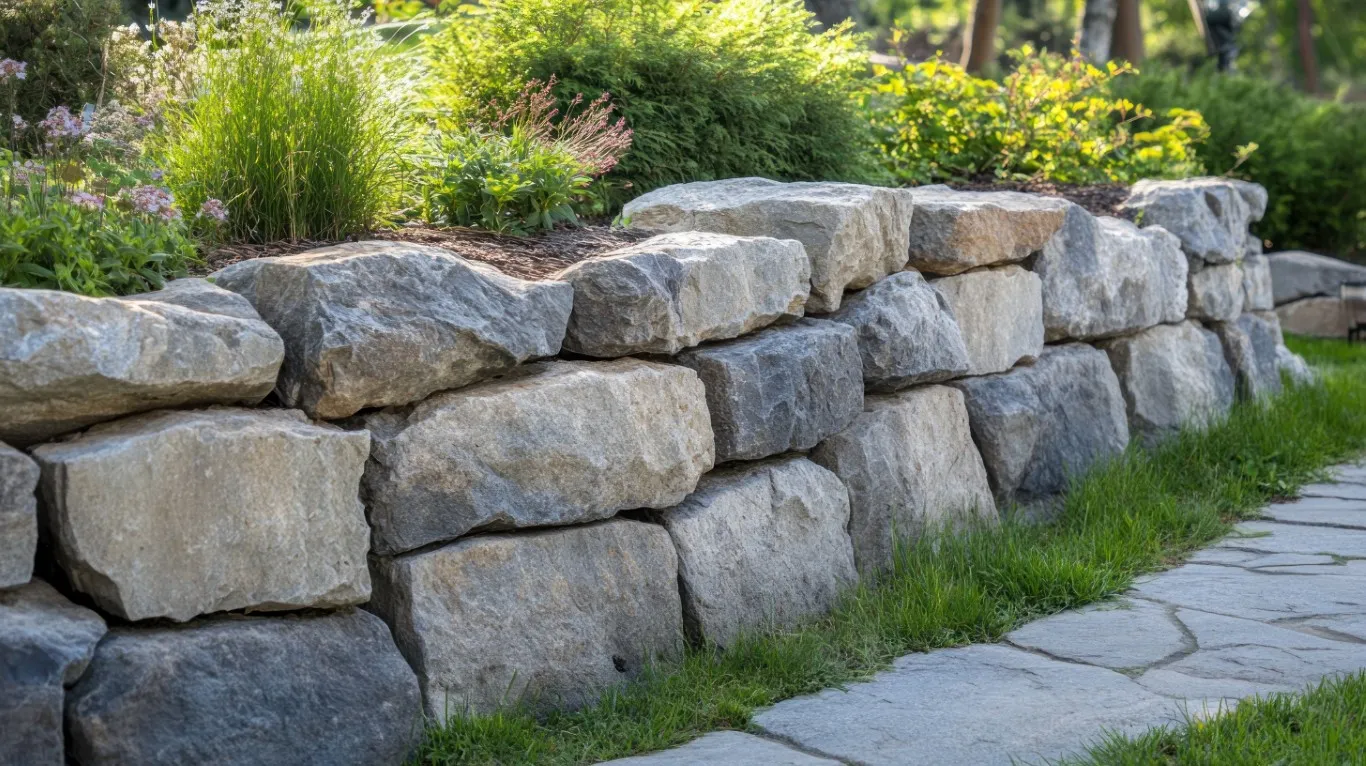
Our hardscaping installation services include custom paver patios that extend your living space outdoors, natural stone walkways that guide visitors through your landscape, and functional retaining walls that solve drainage issues while creating visual interest. We work with premium materials suited to Utah’s climate, including permeable pavers that reduce runoff and natural stone that withstands freeze-thaw cycles. Each hardscape element is installed with proper base preparation, drainage considerations, and long-term stability in mind.
Softscaping services focus on creating beautiful, water-efficient plantings adapted to Utah’s conditions. We select drought-tolerant trees, shrubs, and perennials that thrive in our climate zone while providing year-round visual interest. Our plant selection process considers mature size, water requirements, sun exposure, and seasonal performance to ensure your landscape looks intentional rather than random. We also specialize in native plant installations that support local wildlife while requiring minimal maintenance.
Our irrigation system installations incorporate smart technology that reduces water waste while keeping your landscape healthy. We design multi-zone systems that deliver the right amount of water to each plant type, install soil moisture sensors that prevent overwatering, and integrate weather-based controllers that adjust automatically to conditions. Many of our systems connect to smart home platforms, giving you complete control from your phone while reducing water bills by 30-50% compared to traditional timers.
We also install outdoor lighting systems that enhance safety, security, and ambiance, plus water features that create focal points and soothing sounds. Every element is planned as part of a cohesive design rather than added piecemeal, ensuring your outdoor space functions as a true extension of your home.
The Landscape Installation Process: What to Expect From Consultation to Completion
Understanding the landscape installation process helps you plan appropriately and set realistic expectations. At Utah Valley Landscaping, we follow a proven methodology that has delivered successful transformations for hundreds of Utah County homeowners.
The process begins with an initial consultation at your property where we discuss your vision, assess your site conditions, and identify any challenges or opportunities. We evaluate sun exposure, existing drainage patterns, soil quality, and how you want to use your outdoor space. This consultation typically takes 60-90 minutes and gives us the information needed to create a design that fits your family’s lifestyle and budget.
Next comes the design development phase where we create detailed plans showing plant locations, hardscape layouts, irrigation zones, and lighting placements. We present 2-3 design concepts with material samples and digital renderings so you can visualize the finished space. This collaborative process typically involves 1-2 revision rounds until we’ve captured exactly what you envision. For projects requiring permits, we handle all submission and approval processes with local municipalities.
Once you approve the final design, we schedule installation based on optimal timing for the specific elements involved. Site preparation begins with marking utilities, removing existing materials as needed, and establishing proper grades for drainage. For combined hardscape and softscape projects, we always complete hardscaping first, then install irrigation, and finish with plantings and mulch.
Installation timelines vary by project scope. A basic front yard softscape refresh typically takes 3-5 days. A complete backyard transformation with patio, irrigation, plantings, and lighting runs 2-3 weeks. Large properties with extensive hardscaping and multiple water features may require 4-6 weeks. We provide detailed timelines during the design phase and maintain clear communication throughout construction.
Every project concludes with a final walkthrough where we demonstrate irrigation system operation, explain care requirements for your new plantings, and answer any questions. This ensures you feel confident maintaining your investment from day one. Contact our team to discuss timing for your specific project.
Seasonal Installation Strategy: Timing Your Landscape Elements for Optimal Establishment
Strategic seasonal timing is where professional expertise delivers the greatest value. Each landscape element has an ideal installation window that maximizes establishment success while minimizing stress and complications.
Spring (March-May) is optimal for cool-season grass installation, perennial plantings, and irrigation system installations. As soil temperatures warm and moisture levels are naturally higher, plants establish root systems quickly. This is also the best time to install new irrigation before the heat arrives, allowing time for testing and adjustments. Spring-planted perennials have an entire growing season to establish before facing winter dormancy.
Summer (June-August) is the hardscaping season in Utah. Hot, dry weather is actually ideal for concrete work, paver installation, and retaining wall construction. Materials cure properly, and you avoid the complications of working in muddy conditions or racing against early freezes. We typically avoid planting during peak summer heat except for heat-tolerant natives, but summer is perfect for outdoor living space construction. Patios, fire pits, and outdoor kitchens completed in summer are ready for immediate enjoyment.
Fall (September-November) is the most important planting season for trees, shrubs, and spring-blooming bulbs. Cooler air temperatures combined with still-warm soil create ideal conditions for root growth without the stress of supporting active foliage. Trees and shrubs planted in fall establish extensive root systems over winter, making them far more resilient during their first summer. Fall planting typically shows 40-60% better establishment rates than spring planting for woody plants.
Winter (December-February) is primarily a planning and design phase in Utah, though we can complete some hardscape work during mild periods. This is when we encourage homeowners to finalize designs so we’re ready to begin installation the moment conditions allow. Winter planning ensures you secure your preferred installation slot for the coming season rather than joining the rush in April.
Landscape Installation Costs: Investment Breakdown and Pricing Factors
Understanding landscape installation costs helps you budget appropriately and make informed decisions about phasing your project. At Utah Valley Landscaping, we believe in transparent pricing that reflects quality materials, skilled craftsmanship, and long-term value rather than just upfront cost.
Project size is the primary cost factor. A basic front yard softscape refresh with irrigation improvements typically ranges from $8,000-15,000 for properties under 2,000 square feet. A complete front yard renovation including hardscape entry, new plantings, irrigation upgrade, and lighting generally runs $15,000-35,000. Full backyard transformations with extensive hardscaping, complete irrigation systems, mature plantings, and lighting range from $40,000-100,000+ depending on size and features.
Material selection significantly impacts total investment. Natural stone costs 2-3 times more than concrete pavers but delivers unmatched durability and visual appeal. Mature specimen trees create instant impact but cost considerably more than smaller stock. Smart irrigation controllers add $500-1,500 to system costs but save that amount in reduced water bills within 2-3 years. We help you understand these trade-offs and make choices that align with your priorities and budget.
Labor complexity affects pricing based on site accessibility, existing conditions, and installation challenges. Steep slopes requiring extensive grading and retaining wall solutions increase costs compared to flat sites. Properties requiring significant material hauling due to limited access carry additional charges. Rocky soil conditions that complicate planting and irrigation installation add time and equipment costs.
Many homeowners choose to phase landscape installation over multiple years, completing one section at a time. This approach spreads costs while allowing you to live with each phase before proceeding. We design with phasing in mind, ensuring each completed section looks finished rather than incomplete. We also offer financing options through preferred partners, making comprehensive landscape transformations more accessible.
The most important number isn’t the installation cost but the value delivered. Professional landscape installation typically returns 100-200% of the investment at resale while providing immediate quality-of-life improvements. Compare that to most home improvements that return 60-80% at best, and landscaping emerges as one of the smartest investments you can make.
Water-Efficient and Sustainable Landscape Installation## Conclusion
Successful landscape installation comes down to proper timing, professional execution, and thoughtful planning that honors both your vision and Utah’s unique environment. When you work with Utah Valley Landscaping, you’re partnering with a team that understands how to sequence hardscaping, irrigation, and softscaping for results that last, backed by our 1-year warranty and commitment to custom-tailored designs. Your dream outdoor space is an investment in your family’s quality of life and your property’s value. Request your free consultation today and let’s start creating the backyard where your family will make memories for years to come.
Frequently Asked Questions
Q: How long does a complete landscape installation take from start to finish? A: Most comprehensive landscape installations in Utah County take 4-8 weeks depending on project scope and complexity. We start with hardscaping elements like patios and retaining walls, then install irrigation systems, and finish with softscaping including plants, turf, and mulch. Weather conditions and material availability can affect timelines, but we keep you informed every step of the way.
Q: Can you install landscaping in winter in Utah? A: We can complete hardscaping projects like pavers, retaining walls, and outdoor kitchens during Utah’s milder winter days, but we don’t recommend planting or installing irrigation systems when ground temperatures drop below freezing. The ideal approach is to install hardscaping in late fall or winter, then complete softscaping and irrigation when spring arrives. This phased timeline often works perfectly for families planning ahead.
Q: Do I need to be home during the landscape installation process? A: You don’t need to be present every day, though we recommend being available for the initial site meeting and final walkthrough. Our professional crews handle all aspects of installation independently, and we maintain clear communication throughout the project with regular updates. Most Utah Valley homeowners appreciate the hassle-free process that lets them go about their daily routines while we transform their outdoor space.
Q: What should I do to prepare my yard before landscape installation begins? A: We handle most preparation work including removing existing grass, grading, and clearing debris. However, you can help by removing personal items like outdoor furniture, toys, and planters, and ensuring clear access to your backyard for equipment. If you have underground utilities, sprinkler systems, or buried lines, let us know during the design phase so we can coordinate utility locations before breaking ground.
Q: How soon after installation can my family use our new outdoor living space? A: Hardscaping elements like pavers, fire pits, and sports courts are ready to enjoy within 24-48 hours after installation. New sod needs 2-3 weeks of careful watering before regular foot traffic, while newly planted trees and shrubs should be established for a full growing season before heavy use nearby. Artificial turf is ready for play immediately after installation, making it a popular choice for Utah families eager to use their new space right away.
Q: Will landscape installation damage my existing yard or neighboring plants? A: Our experienced crews take careful measures to protect existing landscaping you want to keep and minimize disruption to surrounding areas. We use equipment appropriate for residential properties, lay protective materials over areas that need preservation, and clean up thoroughly each day. Any established plants or lawn areas outside the installation zone are respected, and we repair any unintended damage as part of our professional craftsmanship commitment.
Q: What maintenance does a newly installed landscape need in the first year? A: New landscapes require attentive care during the first growing season to ensure everything establishes properly in Utah’s climate. This includes consistent watering schedules (especially critical during our hot, dry summers), periodic fertilization, and monitoring for any settling or adjustment needs. We provide detailed maintenance instructions at project completion and offer ongoing landscape maintenance services to keep your outdoor space looking beautiful year-round, all backed by our 1-year warranty.