

Why Landscaping Matters in Utah Valley
Utah Valley, renowned for its dramatic scenery and growing neighborhoods, offers both beauty and complexity for outdoor projects. Landscaping here isn’t just about planting a few shrubs—it’s a deliberate process of designing outdoor environments that are functional, sustainable, and aesthetically pleasing.
A properly designed landscape in Utah Valley addresses unique local conditions such as arid weather, soil challenges, and elevation differences. Whether you’re preparing your first home garden or planning a large-scale commercial upgrade, this guide gives you the tools to transform your outdoor space with confidence and clarity.
Understanding Utah Valley’s Landscaping Challenges
Before planting anything, it’s crucial to understand what makes landscaping in this region different.
Climate Considerations
Utah Valley experiences a four-season climate with:
- Hot, dry summers that often feature long periods of drought.
- Cold, snowy winters that can freeze unprotected roots and damage sensitive plants.
- High evaporation rates, which reduce irrigation efficiency.
- Sudden temperature swings that affect plant health.
These climate extremes mean that selecting hardy, drought-tolerant plants and smart irrigation systems isn’t optional—it’s essential.
Soil Conditions and Topography
Utah’s soil varies greatly, even within neighborhoods:
- Sandy loam drains quickly but lacks nutrients.
- Clay-rich soils retain water and compact easily, which can suffocate plant roots.
- Rocky ground can impede root development and complicate excavation.
Additionally, sloped yards are common, so managing drainage, erosion, and access becomes part of the design process. Soil testing is recommended to determine amendments or design changes.
Benefits of Working with Professional Landscapers
Although DIY landscaping has its appeal, hiring a professional service offers several advantages, especially in a place like Utah Valley:
- Localized Expertise: Professionals understand how to select climate-adapted plants and soil-compatible designs.
- Comprehensive Planning: Design blueprints ensure that hardscapes, irrigation, and plantings work together harmoniously.
- Compliance and Safety: Permits, zoning laws, and HOA regulations are managed properly.
- Higher ROI: Studies show that professional landscaping can increase property value by 10–20%.
- Time and Resource Efficiency: Projects finish faster and with fewer mistakes.
Popular Landscaping Styles in Utah Valley
The most effective landscaping styles in Utah Valley reflect both functionality and aesthetic adaptability to the environment.
Xeriscaping
Designed for water conservation, xeriscaping focuses on:
- Native, drought-resistant plants
- Minimal lawn space
- Decorative gravel, stone, and mulch
- Efficient irrigation systems
This style is particularly popular in Utah due to rising concerns over water scarcity.
Modern Minimalist Landscaping
Modern landscaping emphasizes:
- Clean lines and geometric layouts
- Sparse, low-maintenance vegetation
- Integration of lighting and metal or stone hardscapes
Ideal for new builds or small lots where simplicity and functionality matter.
Traditional Lush Gardens
Best for historic or shaded properties, this approach includes:
- Flowering plants in layered beds
- Meandering pathways and borders
- Stone benches, trellises, and water features
Though more water- and labor-intensive, this style adds charm and classic curb appeal.
Core Landscaping Services Explained
Here’s a closer look at the essential components of a complete landscape service:
| Service | Why It Matters |
|---|---|
| Design & Planning | Develops a cohesive vision tailored to the site’s dimensions, light exposure, and usage. |
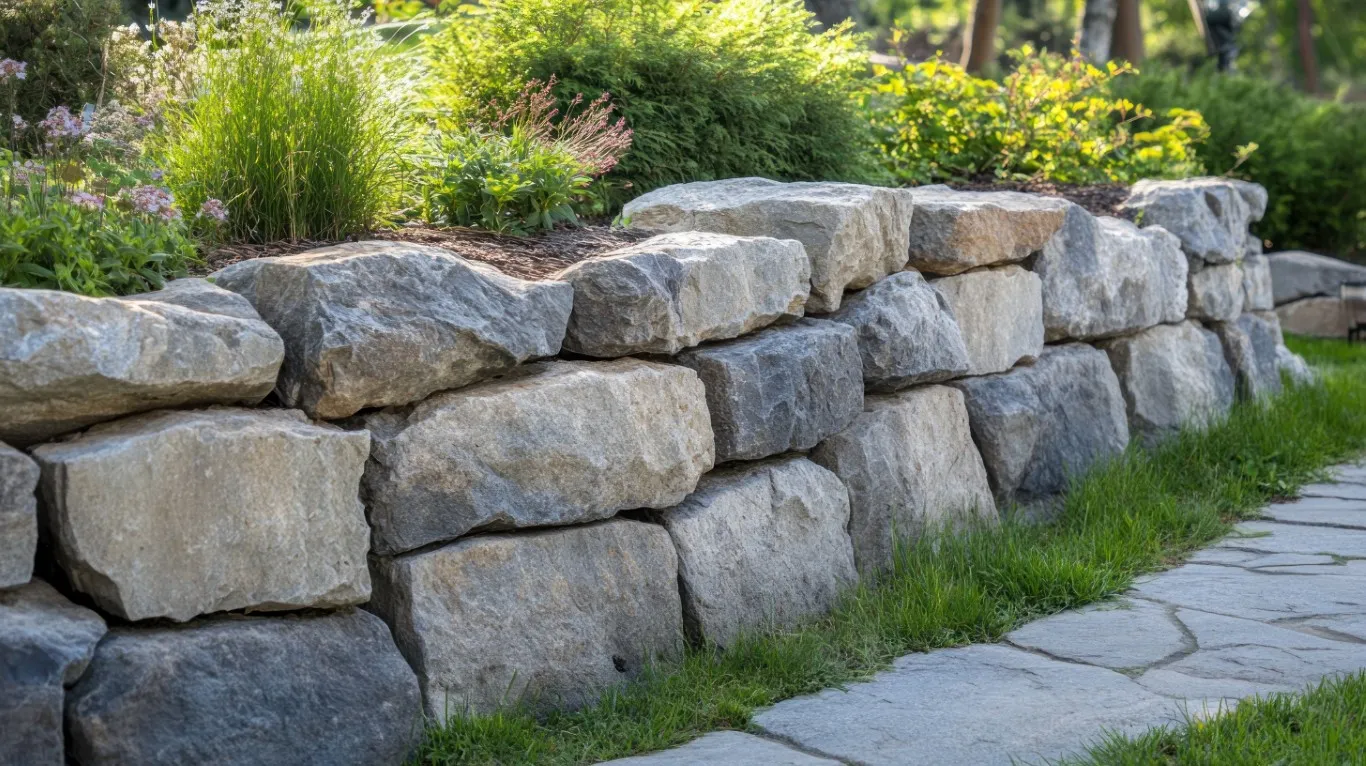
| Hardscaping | Adds functionality with patios, steps, retaining walls, and decorative stonework. |
| Irrigation Installation | Optimizes water use and automates watering based on seasonal conditions. |
| Lawn Care | Ensures ongoing health through fertilization, mowing, aeration, and disease control. |
| Lighting Systems | Improves safety and ambiance while extending usability into the evening. |
Choosing Native and Adaptive Plants
Incorporating native plants improves success rates and minimizes maintenance. These are excellent choices for Utah Valley:
Perennials
- Penstemon: Attractive tubular flowers that attract pollinators.
- Yarrow: Heat- and drought-tolerant, ideal for borders and beds.
Shrubs
- Rabbitbrush: Bright yellow flowers in fall and little need for water.
- Serviceberry: Offers blooms, berries, and vibrant fall color.
Trees
- Gambel Oak: Provides excellent shade and wildlife habitat.
- Blue Spruce: Adds year-round color and visual structure.
Effective Water Conservation Techniques
Because water is scarce in Utah, modern landscaping emphasizes conservation:
- Drip Irrigation Systems: Water at the root zone, reducing waste.
- Smart Controllers: Adjust schedules based on rain or temperature changes.
- Mulch Applications: Reduce evaporation and inhibit weed growth.
- Plant Zoning: Group plants by water needs to simplify irrigation.
How to Maintain Your Landscape Seasonally
Each season presents specific tasks that keep your landscape thriving:
- Spring: Test soil, apply fertilizer, trim shrubs, and repair irrigation.
- Summer: Monitor moisture levels, mulch heavily, and control pests.
- Fall: Remove debris, divide perennials, and prepare the lawn.
- Winter: Protect evergreens from wind and ice; reduce irrigation frequency.
Designing for Curb Appeal
Creating a welcoming exterior can make your property stand out. Focus on:
- Front Pathways: Use flagstone, pavers, or brick to guide visitors.
- Colorful Beds: Position perennials and annuals near windows and entryways.
- Lighting: Uplight trees or install pathway fixtures for nighttime interest.
- Entry Enhancements: Consider new house numbers, planters, or fencing.
Backyard Landscaping Ideas That Inspire
Your backyard can become a retreat, gathering place, or play area:
- Outdoor Kitchens: Ideal for entertaining with built-in grills and countertops.
- Fire Pits: Provide warmth and ambiance during cooler months.
- Pergolas and Shade Structures: Add usable space in hot weather.
- Privacy Barriers: Use trees or shrubs to block views and reduce noise.
Eco-Friendly and Sustainable Landscaping Practices
Sustainable landscaping reduces environmental impact and improves resilience:
- Use compost to nourish soil organically.
- Incorporate native plants to support biodiversity.
- Utilize recycled materials for patios, borders, and structures.
- Install low-voltage lighting systems to conserve electricity.
Permits and Regulations: What You Need to Know
Before starting any large project, be aware of legal considerations:
- Zoning Laws: Each city or county may have unique guidelines.
- HOA Rules: Obtain approvals if your community has specific design requirements.
- Permit Requirements: Usually needed for structural work (retaining walls, decks, etc.).
Always consult with local officials or a licensed contractor before beginning major work.
DIY vs. Hiring a Professional: A Practical Comparison
| Aspect | DIY Approach | Professional Landscaping |
|---|---|---|
| Cost | Lower upfront, higher risk of error | Higher upfront, often more efficient |
| Time | Often extended over weeks/months | Set timelines and scheduled crews |
| Quality | Depends on experience and tools | Guaranteed expertise and warranties |
| Best for | Small plantings, garden beds | Design-heavy or hardscape-intensive projects |
Tips for Choosing the Right Landscaping Company
Selecting the right partner is critical. Here’s how to make a smart decision:
- Ask to See a Portfolio: Look for completed projects similar to yours.
- Check References and Reviews: Validate quality and customer service.
- Review Licensing and Insurance: Ensure legal compliance and protection.
- Compare Bids Carefully: Extremely low quotes may signal poor quality or hidden fees.
Cost Guide: What Landscaping Costs in Utah Valley
| Service Category | Estimated Cost Range |
|---|---|
| Monthly Lawn Service | $50 – $100 |
| New Irrigation System | $1,500 – $3,000 |
| Patio Installation | $5,000 – $15,000 |
| Full Backyard Remodel | $15,000 – $30,000+ |
Note: Prices vary based on yard size, materials, and labor. Always build in a contingency budget for unexpected expenses.
Emerging Landscaping Trends in Utah Valley
Stay on the cutting edge by integrating modern design and environmental awareness:
- App-Controlled Irrigation and Lighting: Adjust systems from your phone.
- Edible Gardens: Combine beauty with functionality using herbs and vegetables.
- Climate-Adaptive Design: Use plants and materials suited for future climate conditions.
- Artificial Turf: Offers year-round green with no water requirements.
Conclusion: A Landscape Worth Investing In
Landscaping in Utah Valley is more than surface beauty—it’s a long-term investment in your property’s value, ecological health, and day-to-day enjoyment. Whether you’re updating a single bed or overhauling your entire yard, thoughtful landscaping brings personal and community benefits.
By understanding the climate, choosing native plants, and planning carefully, you can build a beautiful and sustainable landscape that thrives year-round.
Frequently Asked Questions
What are some of the best low-maintenance plants for Utah Valley?
Lavender, Russian sage, yarrow, and creeping thyme all thrive in dry conditions with minimal upkeep.
How often should I water my landscape?
Typically once or twice a week, depending on plant needs and the season. Drip systems and smart controllers improve efficiency.
What is xeriscaping?
A landscaping technique that reduces water usage by incorporating drought-tolerant plants and limiting traditional lawns.
Does landscaping really increase home value?
Yes. According to real estate experts, well-executed landscaping can raise property value by 10–20%.
What are the most cost-effective landscaping upgrades?
Planting native shrubs, installing mulch beds, and improving lighting offer high impact with relatively low investment.
Can I landscape year-round in Utah?
Many tasks, such as design, soil prep, and hardscape work, can be done year-round. However, plantings are best in spring or fall.