

The Landscape of Change in Utah
Utah is a land of dramatic contrasts—arid desert basins, snowy mountains, and lush alpine valleys. This diversity is both a gift and a challenge for homeowners aiming to design landscapes that are functional, beautiful, and environmentally sound. Add to this the increasing pressures of climate change, water scarcity, and wildfire risk, and the urgency to adopt more sustainable landscaping practices becomes clear.
In response, Utah’s landscaping trends in 2025 reflect a thoughtful balance between aesthetic appeal, environmental stewardship, and long-term usability. This guide explores more than fifteen landscaping concepts tailored to Utah’s unique environment, helping homeowners make informed decisions that benefit both their properties and the broader ecosystem.
1. Xeriscaping: Smart Landscaping for a Water-Scarce State
What Is Xeriscaping?
Xeriscaping is a landscaping approach designed to reduce or eliminate the need for supplemental water. It involves using drought-tolerant plants, efficient irrigation systems, and soil amendments that improve water retention.
Why It’s Critical in Utah:
Utah consistently ranks among the driest states in the U.S. Xeriscaping directly addresses this challenge by reducing water demand. Many municipalities in Utah now offer financial incentives for homeowners who transition from traditional lawns to xeriscapes.
How to Get Started:
- Replace water-thirsty grass with gravel, bark mulch, or decomposed granite.
- Select plants like lavender, Russian sage, and penstemon.
- Group plants with similar water needs together (known as hydrozoning).
2. Native Plant Landscaping: Landscaping That Works with Nature
Why Choose Native Plants?
Plants that are native to Utah have evolved to thrive in the local soil, climate, and precipitation levels. They typically require less water, fewer chemical fertilizers, and less maintenance than non-native species.
Added Benefits:
Native plants support local wildlife, including essential pollinators such as bees, butterflies, and birds. They also resist local pests better, reducing the need for pesticides.
Examples of Native Plants:
- Big Sagebrush (Artemisia tridentata): Iconic and fragrant, with strong drought resistance.
- Utah Serviceberry (Amelanchier utahensis): Offers spring flowers and edible berries.
- Blue Grama Grass: Adds texture and movement to a landscape.
3. Smart Irrigation: Leveraging Technology for Efficient Water Use
Understanding Smart Irrigation Systems:
Smart irrigation uses weather data and soil sensors to adjust watering schedules automatically. These systems can be controlled via smartphone apps, allowing homeowners to monitor and manage usage remotely.
Advantages Over Traditional Systems:
- Minimizes water waste from over-irrigation.
- Adjusts in real-time based on rainfall and evaporation rates.
- Can reduce water bills by up to 50%.
Popular Technologies:
- Weather-based controllers (e.g., Rachio, RainMachine)
- Drip irrigation systems for direct-to-root delivery
- Soil moisture sensors to prevent unnecessary watering
4. Fire-Resistant Landscaping: Safety and Beauty Combined
Why It Matters:
With wildfires becoming more common in Utah, especially in southern and central parts of the state, landscaping choices can dramatically impact home safety.
What Is Fire-Resistant Landscaping?
This approach involves designing defensible space around homes using non-flammable materials and plants with high moisture content or low resin.
Key Strategies:
- Keep trees pruned and spaced at least 10 feet apart.
- Avoid flammable mulch close to the house; opt for gravel or rock.
- Use fire-resistant plants like sedum, yarrow, and ice plant.
5. Hardscaping with Natural Stone: Durable, Elegant, Local
Why Use Natural Stone?
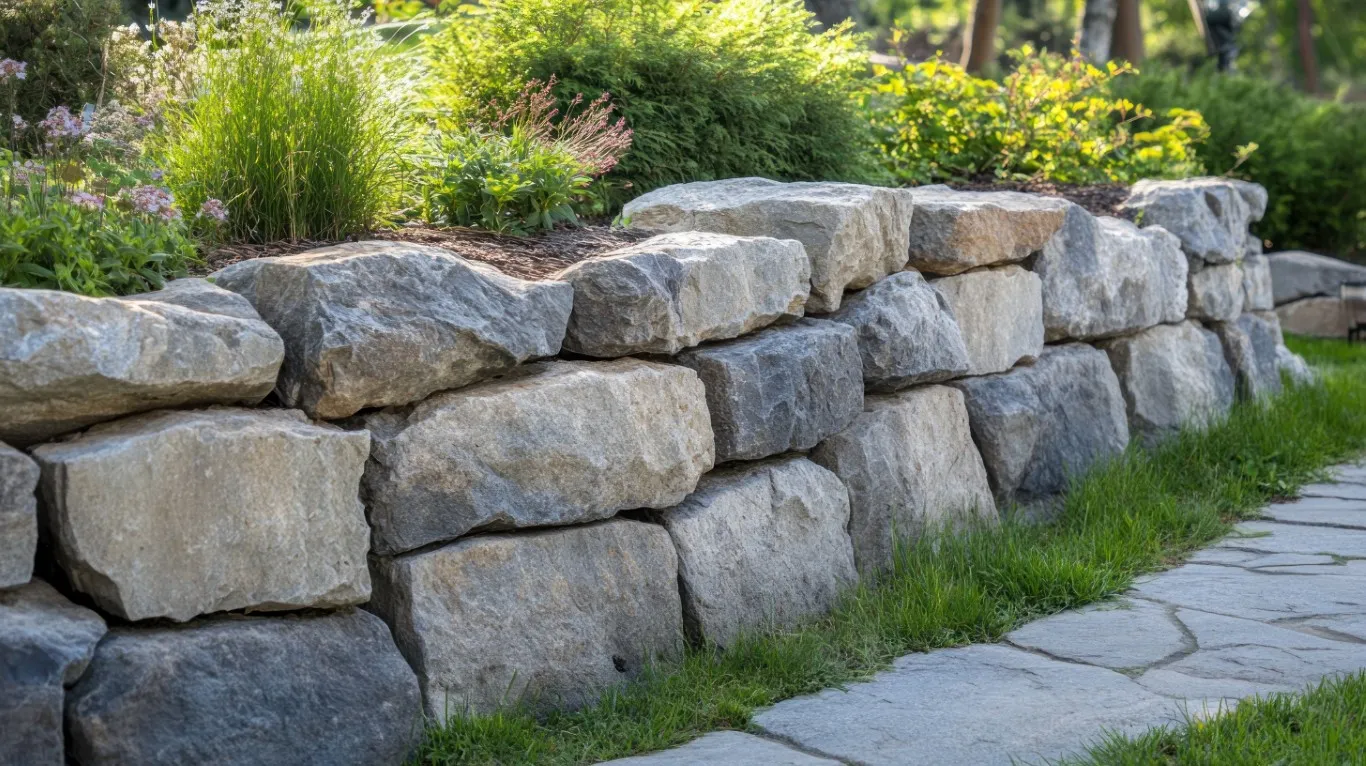
Utah’s geology provides a wealth of stone options, from red sandstone in the south to gray quartzite in the north. Stone not only provides a natural look but also holds up well against Utah’s freeze-thaw cycles.
Common Uses:
- Walkways and patios
- Retaining walls for slope management
- Garden edging
Design Tips:
- Use larger flagstone pieces to create a sense of permanence.
- Mix gravel with boulders for texture and visual interest.
6. Outdoor Living Spaces: Extending the Home Outdoors
The Trend:
More homeowners are transforming backyards into functional living areas that allow them to enjoy Utah’s varied climate year-round.
Key Features Include:
- Pergolas and arbors for shade
- Outdoor kitchens with weather-resistant cabinetry
- Built-in seating and fire pits for winter use
- Ceiling fans or misting systems for summer comfort
Why It Works in Utah:
From ski towns to desert flats, outdoor living spaces take advantage of the state’s long shoulder seasons and generally dry air, offering comfortable usability with minimal modification.
7. Vertical Gardens: A Space-Saving Solution with Impact
What Are Vertical Gardens?
Also known as green walls, these are installations where plants grow upward rather than outward. They are ideal for compact urban yards and even interior courtyards.
How to Use Them in Utah:
- Hang planter boxes on fences or walls.
- Use trellises for climbing vines.
- Choose drought-tolerant species suited to sun or shade conditions.
Benefits Beyond Aesthetics:
- Act as natural insulation
- Reduce heat reflection in cities
- Enhance privacy in tight quarters
8. Edible Landscaping: Grow Food with Style
The Concept:
Edible landscaping merges the utility of a food garden with the aesthetics of ornamental landscaping. In Utah, where self-sufficiency and local food are valued, this trend is growing fast.
Best Practices:
- Integrate dwarf fruit trees along pathways.
- Use herbs as ground cover or border plants.
- Incorporate raised beds using stone or steel edging.
Design Tip:
Keep your most-used edibles (like herbs or tomatoes) close to the kitchen or patio for easy access.
9. Minimalist Landscape Design: Modern Aesthetics Meet Low Maintenance
Characteristics:
- Simple geometric patterns
- Limited plant palettes
- Focus on materials like concrete, gravel, and steel
Why It’s Effective in Utah:
Minimalism reduces ongoing upkeep, uses less water, and reflects the natural austerity of the desert environment.
Ideal Elements:
- Agave and yucca as focal points
- Concrete pavers in offset patterns
- Metal planters or sculptural art for accents
10. Desert-Inspired Color Palettes: Harmony with Nature
What’s Trending:
- Warm hues: terra cotta, burnt orange, ochre
- Neutrals: sandstone beige, slate gray, olive green
Application Ideas:
- Paint fences or sheds in desert tones
- Use colored gravel and pavers
- Select plants with foliage or blooms that echo local rock formations
11. Artificial Turf: Evergreen Appeal, Year-Round Utility
Why Consider It?
- Eliminates mowing, fertilizing, and irrigation
- Always green, even during winter or drought
- Withstands foot traffic from pets and children
Modern Innovations:
- Cooling technology to reduce surface heat
- Biodegradable and recyclable materials
- Realistic thatch for visual authenticity
12. Landscape Lighting: Functionality and Visual Drama
Modern Uses:
- Highlighting architectural and plant features
- Ensuring safety along walkways and stairs
- Creating ambiance for nighttime outdoor enjoyment
Energy-Smart Options:
- Solar-powered path lights
- LED string lights under pergolas
- Motion sensors for security zones
13. Sustainable Materials: Designing with the Earth in Mind
Examples of Eco-Conscious Materials:
- Recycled lumber or composite decking
- Permeable pavers that allow water infiltration
- Locally sourced rock and gravel
- Natural mulches from regional green waste
Design Tip:
Where possible, reuse materials already present on your property—such as repurposing stone from an old wall into garden edging.
14. Seasonal Planting for Four-Season Appeal
Utah’s Varied Seasons Demand Thoughtful Planning:
- Spring: Early bulbs and flowering shrubs (e.g., daffodils, serviceberry)
- Summer: Heat-tolerant perennials (e.g., lavender, echinacea)
- Fall: Colorful foliage and ornamental grasses
- Winter: Evergreen shrubs and structural interest
Pro Tip:
Use plants with different blooming times and textures to ensure visual interest every month of the year.
15. HOA and City Guidelines: Navigating Compliance
Why It Matters:
Utah homeowners are often bound by HOA rules or city ordinances that govern landscaping.
What to Watch For:
- Grass area limits in new builds
- Approved plant lists
- Height restrictions on structures like pergolas
Where to Check:
Start by contacting your HOA board or visiting your city’s community development or planning department website.
16. Pollinator Gardens: Supporting Local Ecosystems
Why Pollinators Matter:
Pollinators are essential for food crops, native plant reproduction, and biodiversity.
Creating a Pollinator-Friendly Garden:
- Choose plants that bloom in succession throughout the seasons
- Avoid pesticide use
- Provide water and nesting spots
Plant Examples:
Milkweed for monarchs, bee balm for hummingbirds, and native penstemon for bees.
Frequently Asked Questions
1. What are the best drought-tolerant plants for Utah?
Lavender, penstemon, blue grama grass, Russian sage, and yarrow are top performers in Utah’s climate.
2. Can I mix ornamental and edible plants?
Yes, and doing so can create a beautiful, functional landscape. Use herbs as ground cover or vegetables like rainbow chard for visual appeal.
3. How do I ensure my landscape is fire-safe?
Create defensible zones around the home, use non-flammable materials, and plant fire-resistant species.
4. Are there incentives for water-efficient landscaping?
Yes. Programs such as Utah Water Savers offer rebates for turf removal, smart irrigation installation, and more.
5. When should I plant in Utah for best results?
The ideal planting windows are spring (April–June) and fall (September–October) when the weather is mild.
6. Can vertical gardens work in Utah’s dry climate?
Yes, especially with proper irrigation and drought-tolerant plant choices like succulents, herbs, and hardy climbers.
Landscaping with Purpose in Utah
Utah homeowners are reimagining outdoor spaces through the lens of sustainability, function, and design. From xeriscaping and native planting to high-tech irrigation and edible gardens, these trends are not just fashionable—they’re future-ready.
By choosing practices that align with the region’s climate and environmental needs, homeowners can create outdoor environments that are not only beautiful but also responsible and enduring.
Would you like help turning this into a downloadable guide, adding structured data for SEO, or generating relevant images? Let me know how you’d like to take the next step.