

Introduction to Landscape Design in Utah
Utah’s stunning outdoor beauty—ranging from the red sandstone arches of Moab to the snowy pine forests near Logan—offers endless inspiration for landscape design. However, it also presents considerable challenges. The state spans multiple climate zones, from high mountain plateaus to arid desert valleys, each requiring different strategies for planting, irrigation, and layout.
Homeowners often face issues like poor soil quality, water restrictions, and high winds. That’s why landscape design in Utah isn’t just about making a space look attractive—it’s about creating outdoor environments that function well under local conditions. Working with experienced Utah landscape designers ensures that every plant, stone, and structure supports both beauty and sustainability.
Understanding Utah’s Diverse Climate Zones
Utah’s elevation changes and wide latitudinal range create distinct climate regions. Understanding these zones is the first step to choosing the right plants and materials.
Northern Utah
Cities such as Salt Lake City, Ogden, and Logan experience cold, snowy winters and moderate to hot summers. This region has more precipitation than southern Utah, allowing for a broader range of plant choices, including cold-hardy trees and flowering perennials.
Southern Utah
Locations like St. George and Moab are known for their hot, dry climates with long growing seasons. In these areas, water conservation is critical, and drought-resistant plantings—such as succulents, ornamental grasses, and desert shrubs—are preferred.
Why Climate Zones Matter
- Plant survival: A plant that thrives in Salt Lake City may not survive the summer heat in St. George.
- Water usage: Southern areas need more efficient irrigation due to evaporation and heat stress.
- Soil differences: Sandy, rocky soils in desert areas require different amendments than rich mountain loams.
Key Principles of Utah-Friendly Landscape Design
Unity and Cohesion
Your landscape should feel like a single, well-thought-out space. This is achieved by repeating shapes, colors, or textures and using complementary hardscaping materials.
Balance and Symmetry
Balance refers to how the elements are visually distributed. In Utah yards, where elevation changes and property shapes vary widely, balance can be symmetrical (equal on both sides) or asymmetrical (balanced through visual weight).
Contrast and Texture
Mixing fine and bold foliage, smooth and rough surfaces, or light and dark colors adds interest. This is particularly useful in minimalist Utah gardens where fewer elements are used.
Scale and Proportion
Choose plants and features that fit the size of your space. Avoid planting large trees near the foundation or small plants that get lost in wide-open areas.
Functionality in Harsh Climates
Design choices must withstand real-world conditions:
- Windbreaks for gusty areas
- Shade trees to reduce summer heat
- Groundcover that prevents erosion on slopes
Popular Landscaping Styles in Utah
Desert Contemporary
Designed for arid southern climates, this style uses clean architectural lines, natural rock, and drought-resistant plants like agave and yucca. Gravel replaces traditional lawns, and lighting highlights sculptural plant forms at night.
Mountain Rustic
This style reflects the alpine charm of regions like Park City. It features:
- Native pines and aspens
- Timber elements like pergolas or seating
- Natural pathways with crushed granite or stone
Traditional Garden
Found mostly in older neighborhoods, this style incorporates:
- Structured layouts with symmetry
- Flowering shrubs, turf lawns, and garden beds
- Classic materials like brick edging and wrought-iron gates
Modern Minimalist
Minimalist designs emphasize simplicity and low maintenance. These often feature geometric patios, strategic plantings with few species, and hardscapes with modern materials like steel or stained concrete.
Xeriscaping: Utah’s Water-Wise Landscaping Solution
Xeriscaping is more than a trend—it’s a necessity in water-scarce regions. It’s not about going without greenery, but about choosing smarter plants and watering methods.
What is Xeriscaping?
Xeriscaping is a landscaping philosophy that reduces or eliminates the need for supplemental irrigation. It uses native or drought-tolerant plants, mulch to conserve moisture, and efficient irrigation.
Best Plants for Xeriscaping in Utah
- Russian Sage: Purple flowers, aromatic foliage, very drought tolerant
- Yarrow: Lacy leaves, long-lasting blooms, thrives in full sun
- Blue Grama Grass: Low clumping grass with decorative seed heads
- Penstemon: Colorful tubular flowers loved by pollinators
Design Principles for Xeriscaping
- Hydrozoning: Group plants with similar water needs together.
- Mulching: Organic or gravel mulch reduces evaporation and weeds.
- Efficient Irrigation: Drip systems reduce waste by delivering water directly to roots.
- Minimal Lawn: Reduce turfgrass areas and replace with groundcover or hardscape.
Xeriscaping saves water, lowers maintenance costs, and supports Utah’s local ecosystems.
Native Plants That Thrive in Utah
Using native plants improves success and sustainability. They’re adapted to local conditions and need less water, fertilizer, and maintenance.
Top Native Trees and Shrubs
- Gambel Oak: Hardy and great for screening or shade
- Big Sagebrush: Iconic desert scent, excellent for erosion control
- Serviceberry: Provides spring flowers, fall color, and berries
- Rabbitbrush: A pollinator-friendly shrub with late-summer blooms
Native Perennials and Groundcovers
- Blue Flax: Sky-blue flowers, long blooming season
- Wasatch Penstemon: Showy purple blooms and compact growth
- Creeping Mahonia: Evergreen, shade-tolerant groundcover
- Sego Lily: Utah’s state flower, known for its delicate white petals
Sustainable Landscaping Practices for Long-Term Success
Sustainability in landscaping means creating an environment that maintains itself with minimal external input—whether that’s water, chemicals, or constant upkeep. In Utah, where water scarcity and temperature extremes are common, sustainable practices are essential.
Efficient Irrigation
Rather than using traditional sprinklers that lose water to wind and evaporation, efficient systems like drip irrigation target plant roots directly. This reduces water usage significantly and can be automated with moisture sensors and timers for maximum efficiency.
Soil Health and Improvement
Utah’s native soils can be alkaline, rocky, or compacted. Enhancing soil structure through:
- Composting: Adds nutrients and improves water retention
- Organic fertilizers: Feed the soil naturally without chemical buildup
- Soil testing: Helps determine pH and nutrient levels before planting
Healthy soil is the foundation of a thriving landscape.
Mulching Techniques
Applying mulch around plants serves multiple purposes:
- Conserves moisture
- Suppresses weeds
- Insulates roots from temperature extremes
Choose natural mulches like bark chips, pine needles, or gravel depending on your design aesthetic.
Eco-Friendly Pest Control
Incorporating beneficial insects, such as ladybugs and lacewings, helps control pests naturally. Companion planting—placing plants that deter pests near susceptible ones—can also reduce the need for chemical pesticides.
Hardscaping Essentials in Utah Landscapes
Hardscaping provides structure, accessibility, and visual interest. In Utah, where temperature swings and freeze-thaw cycles are common, material durability is a key consideration.
Weather-Resistant Materials
- Concrete pavers: Versatile and durable for walkways and patios
- Natural stone (e.g., flagstone, sandstone): Complements Utah’s earthy palette
- Composite decking: Low maintenance and weather-resistant
Avoid materials that degrade quickly under UV exposure or temperature extremes.
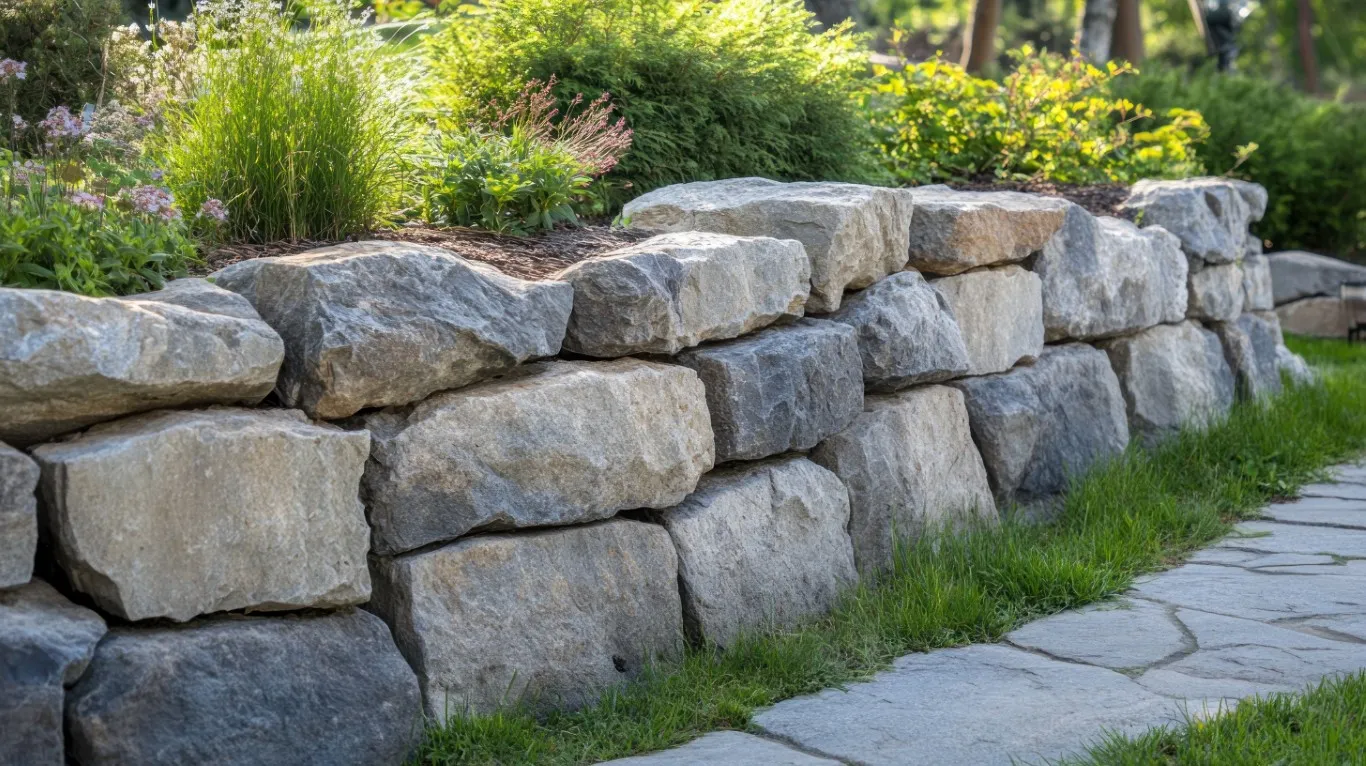
Retaining Walls and Grade Management
For sloped properties, retaining walls are both functional and aesthetic. They:
- Prevent erosion
- Create level planting zones
- Add visual interest through terracing
These can be constructed with boulders, concrete block, or timber, depending on the look you want.
Outdoor Living Features
Extend the usability of your yard with:
- Pergolas and gazebos for shade
- Built-in seating walls around fire pits
- Outdoor kitchens or grilling stations
Hardscapes improve comfort and usability while reducing water-hungry turf areas.
Designing for All Four Seasons in Utah
Because Utah has distinct seasons, your landscaping should evolve throughout the year while maintaining visual appeal.
Spring and Summer
- Blooming bulbs (tulips, daffodils) start the season strong
- Ornamental grasses provide texture and movement
- Shade trees like cottonwood or honey locust offer cooling during hot months
Fall
- Focus on foliage color—maple, sumac, and serviceberry shine in reds and oranges
- Use late-blooming perennials and seed heads for continued interest
Winter
- Incorporate evergreens (spruce, juniper) to retain structure and color
- Decorative elements like boulders, sculptures, and hardscape lighting provide beauty when plants are dormant
A layered approach—combining evergreen, deciduous, and flowering plants—keeps your yard visually engaging year-round.
Backyard Landscaping Ideas for Utah Homes
The backyard is your personal retreat. Whether you prefer quiet solitude or lively gatherings, your design should reflect how you use the space.
Outdoor Kitchens and Dining Areas
Utah’s dry climate makes for pleasant evenings, so outdoor dining is popular. Consider:
- Built-in counters with grills or pizza ovens
- Pergolas with string lighting
- Weather-resistant furniture and covered storage
Fire Features
Fire pits and fireplaces extend your outdoor season into chilly spring or fall evenings. Choose from:
- Natural gas fire bowls
- Traditional wood-burning pits
- Built-in stone fireplaces with seating nooks
Recreation and Relaxation Zones
Divide your yard into functional areas:
- Turf or artificial grass play areas
- Reading benches under trees
- Raised garden beds for herbs and vegetables
Zoning allows you to balance beauty and usability.
Front Yard Curb Appeal Enhancements
The front yard is your home’s first impression. Even small changes can dramatically improve appearance and value.
Pathways and Entry Features
Lead the eye and foot traffic with materials like:
- Stamped concrete
- Decomposed granite
- Flagstone bordered by native grasses
Add focal points like a birdbath, sculptural planter, or painted front door to welcome guests.
Layered Planting Beds
Use height and texture to soften architectural lines:
- Low-growing perennials in front
- Medium shrubs in the middle
- Tall grasses or small trees in back
Lawn Alternatives
In Utah, replacing turf is both eco-conscious and trendy. Consider:
- Clover lawns: Soft and self-sustaining
- Artificial turf: Low maintenance, great for high-use zones
- Gravel gardens: With colorful succulents and stone pathways
These options reduce water usage and ongoing maintenance.
Working With Professional Landscape Designers in Utah
Hiring a professional can help transform your ideas into a practical, customized design. Look for:
- Utah-specific experience
- A portfolio of similar projects
- Clear knowledge of regional regulations
Key Questions to Ask Before Hiring
- Can you share photos of recent local work?
- How do you handle water-saving strategies?
- What is your typical project timeline?
- Do you offer post-installation maintenance services?
A good landscape designer will tailor the plan to your goals, lifestyle, and site constraints.
Regulations and Permits in Utah Landscaping
Before starting a landscaping project, it’s crucial to know the rules. Failing to comply can result in fines or required changes later.
Common Zoning Rules
- Maximum height for fences or hedges
- Setbacks for retaining walls or patios
- Drainage guidelines to protect neighboring properties
HOA Guidelines
Many communities in Utah have strict requirements regarding:
- Types of plants allowed
- Lawn replacement approvals
- Hardscape colors and materials
Water Use Regulations
Some cities offer rebates or incentives for converting turf to xeriscape. Check with your local water agency or city planning department for eligibility.
Landscaping on a Budget
Beautiful landscapes don’t always require large investments.
Phased Approach
Plan your project in stages:
- Phase 1: Hardscaping and soil work
- Phase 2: Trees and large shrubs
- Phase 3: Smaller plants, lighting, and decor
This approach allows you to spread costs over time.
DIY Elements
You can save on labor by tackling:
- Mulching
- Installing drip irrigation
- Planting garden beds
Use Reclaimed Materials
Salvaged bricks, rocks, and pavers add character and cut costs.
Showcase: Real Utah Landscaping Success Stories
Salt Lake City Suburban Makeover
A neglected lawn was transformed into a xeriscape garden using gravel, ornamental grasses, and a central fire pit. The design reduced water use by 60%.
St. George Desert Retreat
A front yard was overhauled with lava rock, agave, and boulders. The design blends seamlessly into the red rock backdrop.
Park City Slope Solution
Terraced retaining walls stabilized a steep lot. Native trees and wildflowers were added to create a rustic alpine escape.
Turning Your Utah Landscape Vision Into Reality
Utah’s climate and geography offer both challenges and incredible opportunities for landscape design. Whether you’re updating a front yard, building a desert retreat, or creating a family-friendly backyard, success comes from understanding local conditions, choosing the right plants, and working with professionals when needed.
Start with a clear vision, adapt it to your climate zone, and focus on sustainability. The result will be a yard that’s not only stunning, but also resilient, practical, and environmentally sound.
Frequently Asked Questions (FAQs)
1. What are the best low-maintenance plants for Utah landscaping?
Native plants such as blue flax, rabbitbrush, and creeping mahonia require little water and thrive in Utah’s soils and climate.
2. How much does professional landscape design cost in Utah?
Expect to spend $1,500–$5,000 for a custom design. Installation ranges from $5,000 for simple upgrades to $50,000+ for high-end projects.
3. Is xeriscaping more expensive than traditional landscaping?
Initial costs are comparable, but xeriscaping saves money over time with lower water bills and reduced maintenance.
4. Do I need a permit to landscape in Utah?
Possibly—especially for retaining walls, structures, or water features. Check with your city or HOA before beginning.
5. Can I landscape during winter in Utah?
Yes, winter is ideal for planning and installing hardscapes. Planting typically resumes in early spring.
6. Are there rebates for switching to xeriscaping?
Yes. Many municipalities and water districts offer incentives. Visit Utah Water Savers to check availability in your area.