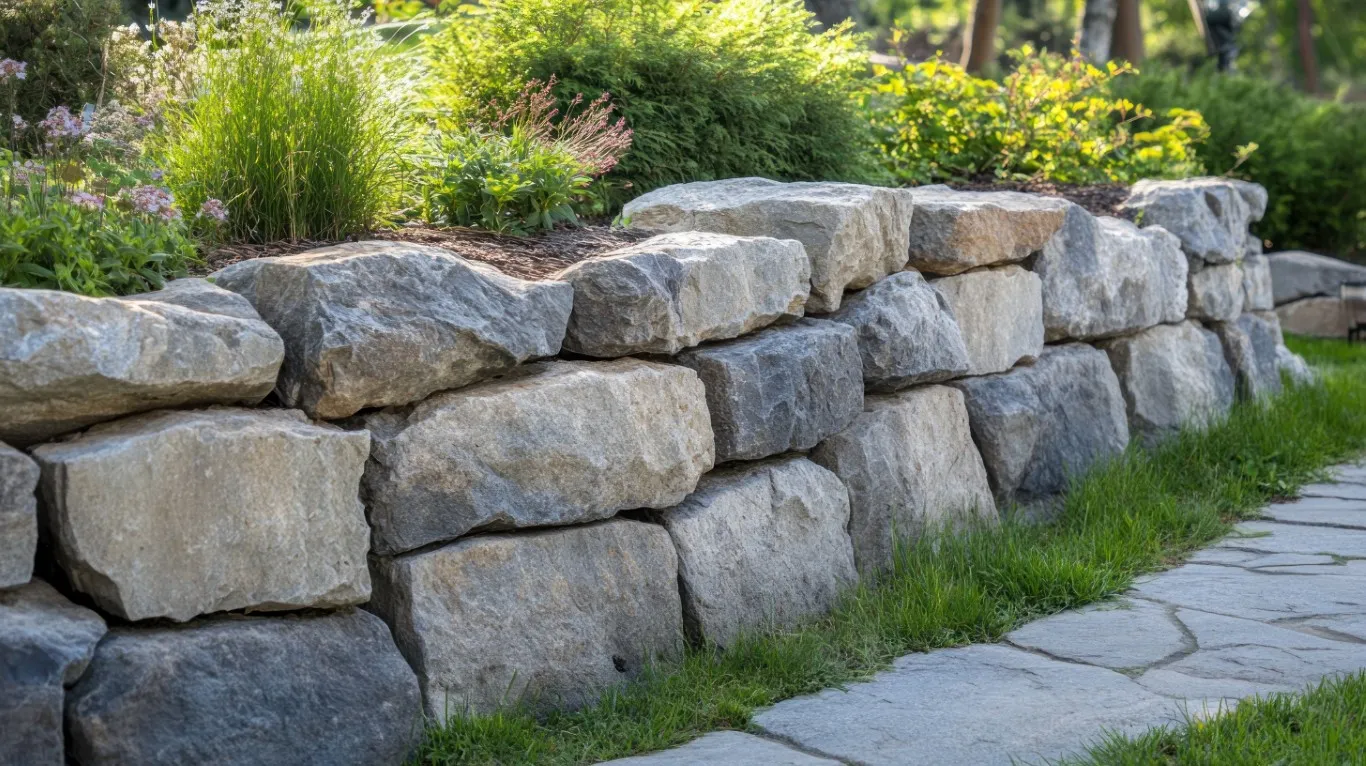


Designing a backyard in Utah isn’t just about aesthetics—it’s about making the most of the state’s diverse climate, topography, and natural beauty. Whether you live in the snow-dusted mountains of Park City or the sun-soaked desert of St. George, a well-designed backyard enhances your lifestyle, improves your home’s value, and provides a personal sanctuary year-round.
This comprehensive guide walks you through each phase of the process, offering practical strategies, local insights, and design principles that work in Utah’s unique conditions.
Understanding Utah’s Diverse Landscape and Climate
Know Your Zone: Understanding USDA Hardiness in Utah
Utah stretches across multiple USDA hardiness zones—ranging from Zone 4 in northern mountainous areas to Zone 8 in southern deserts. This matters because:
- Zone 4-5 (Northern Utah): Cold winters, short growing seasons, late spring frosts. Choose frost-hardy plants and consider raised beds for better drainage.
- Zone 6-7 (Wasatch Front): Moderate conditions allow for a wider range of plants and more flexible landscape features.
- Zone 8 (Southern Utah): Hot, dry conditions with a longer growing season—ideal for desert-native plants and xeric landscapes.
The Role of Altitude and Microclimates
Altitude affects both temperature and moisture. For example:
- High-altitude areas may require wind protection and frost-resistant features.
- South-facing slopes receive more sun and heat, which is ideal for solar gain in the winter but can be harsh in summer.
Knowing these details helps you choose the right plants, materials, and layout for long-term success.
Designing an Effective Backyard Layout
Functional Zoning: One Yard, Many Purposes
Segmenting your backyard into functional zones improves usability and keeps your design cohesive. Consider these zones:
- Entertaining Zone: Patios, outdoor kitchens, and fire features.
- Recreation Zone: Lawns, game areas, or hot tubs.
- Quiet Zone: Hammocks, water features, or reading nooks.
- Productive Zone: Vegetable gardens, greenhouses, compost areas.
Creating clear transitions between zones using paths, plantings, or elevation changes helps maintain flow and organization.
Designing for All Lot Sizes
- Small Yards: Use vertical gardens, compact furniture, and multi-use features like bench seating with storage.
- Large Yards: Add meandering paths, specimen trees, and separate zones with their own themes (e.g., a desert section, a floral bed, and a shaded retreat).
Water-Wise Landscaping: Embracing Xeriscaping
What Is Xeriscaping and Why It Matters in Utah
Xeriscaping is a landscaping approach designed to reduce water use by using drought-tolerant plants and strategic irrigation. It’s essential in Utah because:
- Water is limited, especially during hot summers.
- Xeriscaped gardens require less maintenance, fewer fertilizers, and minimal mowing.
- Many Utah cities offer rebates for replacing traditional lawns with xeriscape elements.
Key Components of Xeriscaping
- Hydrozoning: Grouping plants with similar water needs.
- Mulching: Keeps soil moist and reduces weed growth.
- Efficient Irrigation: Drip systems and smart controllers minimize waste.
- Soil Improvement: Amending soil enhances water retention and supports healthy root systems.
Plant Selection for Utah’s Climate
Best Native and Adaptive Plants for Utah Yards
Choosing the right plants means less watering, better resilience, and long-term beauty. Here are standout choices:
| Plant Name | Why It Works in Utah |
|---|---|
| Big Sagebrush | Symbolic of the West; thrives in dry soils |
| Utah Serviceberry | Beautiful blooms and berries; great for wildlife |
| Penstemon | Vibrant flowers; attracts bees and hummingbirds |
| Apache Plume | Airy plumes; long blooming season |
| Blue Grama Grass | Low-maintenance ornamental grass |
Avoid invasive species and favor plants that evolve well with seasonal changes.
Seasonal Interest and Color Planning
Incorporate plants that offer interest in every season:
- Spring: Serviceberry, tulips, daffodils
- Summer: Coneflowers, lavender, yarrow
- Fall: Autumn blaze maple, grasses with seed heads
- Winter: Red-twig dogwood, evergreens
Incorporating Hardscaping for Structure and Function
What is Hardscaping?
Hardscaping includes the non-plant elements of a landscape—things like:
- Walkways
- Retaining walls
- Patios and decks
- Raised garden beds
Choosing Materials that Fit Utah’s Aesthetic
Utah’s native stone and rustic wood materials create cohesion with the local landscape. Consider:
- Flagstone or limestone for natural-looking pathways
- Concrete pavers for durability and clean lines
- Timber or corten steel for retaining walls
- River rock or gravel beds for dry stream features
Creating Comfortable Outdoor Living Spaces
In Utah’s climate, outdoor living spaces can be enjoyed in all four seasons with thoughtful planning.
Key Features to Consider
- Shade Structures: Pergolas, gazebos, or retractable awnings protect from intense sun.
- Fire Features: Fire pits or fireplaces offer warmth and ambiance.
- Outdoor Kitchens: Popular in southern Utah where winters are milder.
- Furniture: Invest in weather-resistant, UV-protected seating and cushions.
Efficient Irrigation and Water Management
Drip Systems and Smart Controllers
Drip irrigation systems deliver water directly to roots, minimizing evaporation. Smart controllers adjust automatically based on:
- Weather forecasts
- Soil moisture levels
- Seasonal changes
Rainwater Harvesting
Use collection barrels or underground tanks to capture rain for future irrigation. This reduces municipal water usage and is often eligible for local incentives or rebates.
Alternatives to Traditional Lawns
Grass lawns are water-intensive and maintenance-heavy. Utah-friendly alternatives include:
- Artificial Turf: No mowing, no watering, year-round green.
- Clover and Thyme: Drought-tolerant, resilient underfoot.
- Decorative Gravel: Especially effective in xeriscaped areas.
Use lawn alternatives creatively to define zones while keeping the landscape interesting and eco-friendly.
Designing for All Four Seasons
Making Summer More Comfortable
- Use deciduous trees for shade that also allow winter sun.
- Create cooling zones with water features or misters.
- Install sunshades and breathable furniture materials.
Preparing for Winter
- Choose frost-resistant plants and evergreens for color.
- Use heated pathways for safety and convenience.
- Store or cover furniture to extend its life.
A year-round design ensures your yard stays functional and appealing in all weather conditions.
Backyard Lighting for Safety and Ambiance
Outdoor lighting is both aesthetic and functional. Prioritize:
- Pathway Lighting: Guides guests and improves safety.
- Accent Lighting: Highlights focal points like trees or sculptures.
- Solar and LED Options: Energy-efficient, long-lasting, and easy to install.
- Motion-Sensor Lighting: Ideal for security near entrances and gates.
Plan your lighting with layers for best results—ambient, task, and accent.
Budgeting and Planning for Your Backyard
Estimated Costs in Utah
| Project Type | Estimated Cost Range |
|---|---|
| Simple Design (DIY, mulch) | $3,000 – $7,000 |
| Mid-Range (patio, lighting) | $10,000 – $20,000 |
| High-End (kitchen, structures) | $30,000+ |
Saving Money Without Sacrificing Quality
- Phase your project: Complete it in logical steps over time.
- Use reclaimed materials: Salvage brick, stone, or wood.
- DIY simple tasks: Install beds, lighting, or irrigation with the help of guides or kits.
Working with Local Landscape Professionals
Hiring a professional designer or contractor helps ensure long-term success, especially for complex installations.
What to Look For
- Knowledge of Utah’s climate and soil types
- Proper licenses and insurance
- Local references and a visible portfolio of work
- Clear communication and written contracts
Ask questions about plant warranties, construction permits, and timelines before you begin.
Do-It-Yourself Backyard Projects
DIY landscaping can be satisfying and cost-effective. Great starter projects include:
- Building raised beds for vegetables
- Creating gravel pathways or stepping stone trails
- Installing a birdbath or native pollinator garden
- Building simple wood furniture or trellises
Start small, and grow your confidence with each success.
Permits and HOA Considerations in Utah
Major backyard renovations often require approval. Check with your:
- City’s planning department for zoning and permits
- Homeowners association (HOA) for design guidelines or restrictions
Commonly regulated projects include:
- Decks, pergolas, and outdoor structures
- Irrigation systems and plumbing additions
- Outdoor kitchens with electrical or gas features
Knowing the rules helps avoid costly delays or fines.
Designing with Local Character
Utah’s landscapes—desert mesas, alpine forests, and red rock canyons—inspire a variety of design themes:
- Desert Modern: Clean lines, native stone, drought-tolerant plants
- Mountain Rustic: Timber beams, fire features, native evergreens
- Urban Contemporary: Sleek pavers, metal accents, structured plantings
Aligning your backyard with Utah’s character ensures it feels like a natural extension of the environment.
Backyard Design Trends for 2025 in Utah
- Outdoor workstations: Wi-Fi-enabled pergolas and shaded desks.
- Edible landscaping: Fruit trees, herb spirals, raised veggie beds.
- Vertical gardening: Wall-mounted planters or trellises for small yards.
- Smart tech: App-controlled lighting, watering, and outdoor sound systems.
These trends reflect the growing need for functionality, efficiency, and sustainability.
Your Utah Backyard, Reimagined
Designing a backyard in Utah is a blend of art and science—honoring the land, working with the climate, and expressing your personal style. From xeriscaping to fire pits, from native plants to vertical gardens, every choice contributes to an outdoor space that’s beautiful, practical, and uniquely yours.
Start with a clear plan, think sustainably, and let the natural beauty of Utah guide your decisions. Whether you hire a professional or go the DIY route, your backyard can become one of your home’s most beloved spaces.