

Your backyard should be the place where your kids play, your family gathers, and memories take root. Professional landscape design in Utah transforms underutilized outdoor spaces into custom outdoor living areas built for your family’s lifestyle and Utah’s demanding climate. Get a free consultation from Utah Valley Landscaping. Most homeowners hear back within 24 hours.
What Makes Utah Landscape Design Different?
Utah landscape design requires specialized expertise because the state’s high desert climate, dramatic elevation changes, and extreme temperature swings create conditions that render generic designs ineffective. The state experiences over 300 days of sunshine annually, summer temperatures exceeding 100°F, and winter lows that plunge below zero. This 100+ degree temperature range throughout the year means materials and plants must withstand conditions that would destroy designs created for milder climates.
Utah sits in USDA Hardiness Zones 4 through 8, depending on elevation and location. Utah Valley specifically falls primarily in Zones 6 and 7, creating a narrow window of plant selections that thrive here. The region receives only 15 to 20 inches of precipitation annually, making drought resistance not just preferable but essential for any sustainable landscape design.
Water restrictions add another layer of complexity. The Utah Division of Water Resources reports that outdoor irrigation accounts for up to 65% of residential water use statewide. Local municipalities throughout Utah County enforce watering schedules and increasingly incentivize water-wise landscaping. Your landscape design must account for these restrictions while still creating the lush, inviting outdoor living space your family deserves.
Alkaline clay soils common throughout Utah Valley present drainage challenges and limit which plants establish strong root systems. Freeze-thaw cycles crack inferior hardscaping materials within a few seasons. Cookie-cutter designs from out-of-state companies consistently fail because they ignore these realities. Working with a landscape design team rooted in Utah Valley means your project accounts for every local challenge from day one.
How Does the Custom Landscape Design Process Work for Utah Valley Families?
A proven design process eliminates guesswork and ensures your finished landscape reflects your family’s unique needs. From initial conversation to final installation, each phase builds toward an outdoor space your family will enjoy for decades.
Initial Consultation and Site Analysis
Every project begins with an in-depth conversation about how your family actually uses outdoor space. Do your kids need room to run? Are you dreaming of summer evenings around a fire pit? Do you want a custom pool for those hot Utah summers? These lifestyle factors shape every design decision.
Our team conducts thorough site analysis examining soil composition, drainage patterns, sun exposure throughout the day, existing vegetation, and utility locations. We photograph your space from multiple angles and take precise measurements. For Utah Valley homes, we also note microclimates created by structures, fences, and elevation changes.
Design Development and Visualization
Using information gathered during consultation, our design team creates custom concept drawings. You receive 3D renderings showing exactly how your completed landscape will look, not abstract sketches that leave you guessing. These visualizations let you walk through your future backyard before any ground is broken.
We present material samples, plant selections specifically chosen for Utah’s climate, and detailed specifications for every element. You participate in refining the design until it perfectly matches your vision.
Installation and Completion
Licensed and insured crews handle every aspect of installation, from grading and irrigation to hardscaping and planting. You receive a detailed timeline with clear milestones. Every project comes with a 1-year warranty covering materials and workmanship, giving you complete peace of mind.
One recent Highland family transformed their sloped, unusable backyard into a multi-level outdoor living space featuring a paver patio, native plant beds, and a dedicated play area for their three children. The project took just six weeks from design approval to completion.
What Should Your Utah Landscape Design Include?
A complete Utah landscape design balances hardscaping, softscaping, and functional elements that serve your family for years to come. The most successful Utah landscapes incorporate several key components working together, with studies showing that well-designed outdoor spaces increase family outdoor time by an average of 3 hours per week.
Hardscaping Foundation
Durable hardscaping forms the bones of your outdoor living space. Quality pavers and hardscaping installations create patios, walkways, and defined spaces that withstand Utah’s freeze-thaw cycles. Concrete and natural stone options each offer distinct aesthetic and functional benefits.
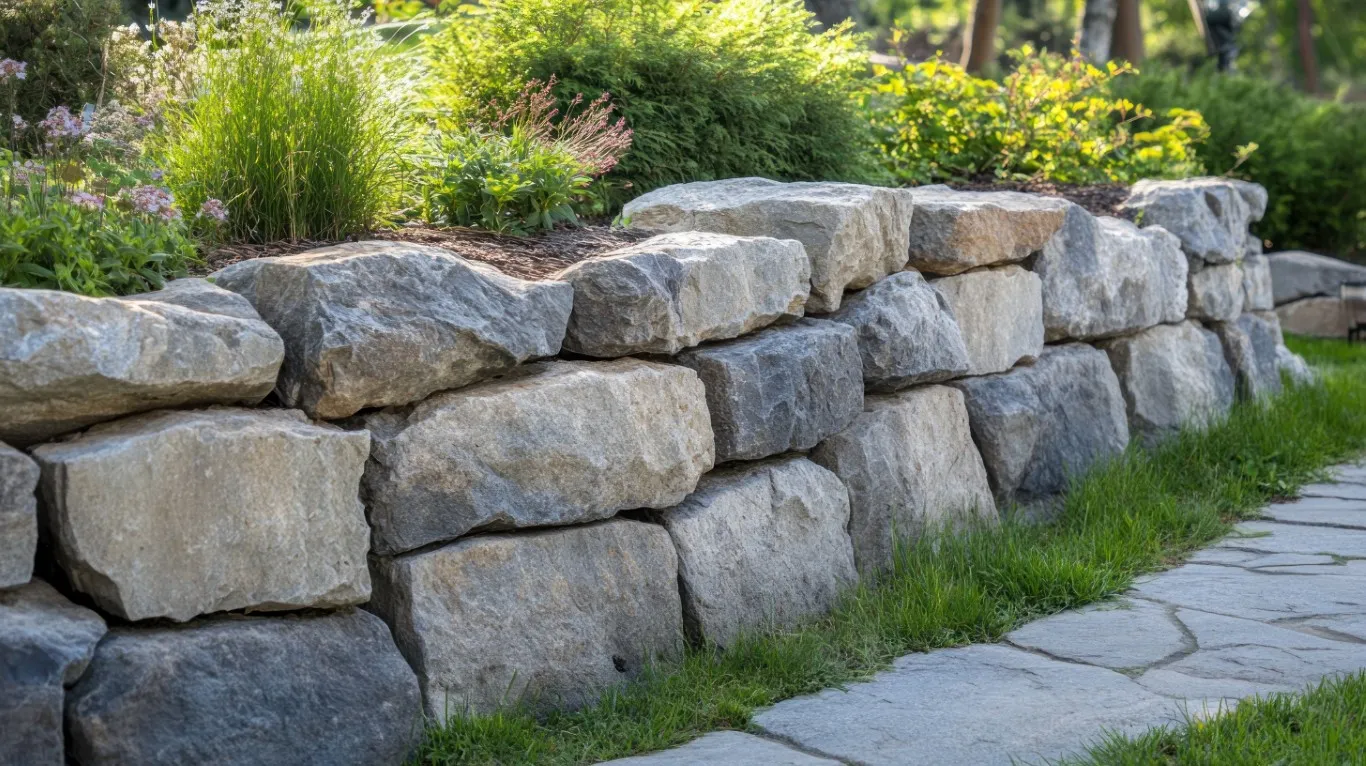
Retaining walls solve slope challenges common in Utah Valley properties while adding visual interest. These structures create usable flat areas from previously wasted hillside space.
Softscaping and Plant Selection
Strategic plant placement provides shade, privacy, and seasonal color. Utah-adapted plants require less water, resist local pests, and establish strong root systems in our alkaline soils. A mix of perennials, ornamental grasses, and properly selected trees creates year-round visual interest.
For families wanting green lawn space without the water consumption, artificial turf provides a realistic alternative that handles heavy foot traffic from kids and pets.
Functional Family Features
Modern Utah landscape designs increasingly include dedicated activity zones. Popular elements include:
- Fire pits for extending outdoor enjoyment into cooler months
- Sports courts for basketball, pickleball, or volleyball
- In-ground trampolines that blend seamlessly into the landscape
- Water features adding sound and movement
- Outdoor kitchens for family gatherings
- Putting greens for golf enthusiasts
Outdoor Lighting Systems
Professional exterior lighting transforms your outdoor space after sunset while adding security. Path lights, uplighting on trees, and accent lighting on architectural features extend your usable evening hours and create dramatic ambiance.
Which Plants and Materials Thrive in Utah’s Climate?
Selecting the right plants and materials determines whether your landscape thrives for decades or struggles within years. Utah’s specific conditions demand informed choices, and working with local experts prevents costly mistakes.
Drought-Resistant Plant Selections
Utah State University Extension recommends numerous native and adapted species for Utah Valley landscapes. Russian sage, lavender, black-eyed Susan, and ornamental grasses provide color and texture while requiring minimal supplemental irrigation once established.
For trees, consider species like Gambel oak, Rocky Mountain juniper, and thornless honeylocust. These varieties handle Utah’s temperature extremes and alkaline soils far better than popular but poorly-adapted species like silver maple or weeping willow.
Xeriscaping principles guide water-wise design without sacrificing beauty. Properly designed xeriscapes reduce outdoor water use by 50 to 75 percent compared to traditional lawns while creating visually striking landscapes through strategic plant groupings, mulching, and efficient irrigation.
Hardscaping Material Performance
Not all pavers and stone products survive Utah conditions equally. Porcelain pavers, natural flagstone, and properly manufactured concrete pavers resist freeze-thaw damage. Cheaper options crack and crumble within a few winters.
For fire pit surrounds and outdoor kitchen areas, materials must handle both extreme heat and freezing temperatures. Manufactured stone veneers designed for exterior use outperform natural stone in many applications due to consistent density and engineered durability.
Artificial Turf Considerations
Modern synthetic grass has evolved dramatically. Quality artificial turf looks natural, drains efficiently, and handles temperature fluctuations without warping or fading. For Utah families, artificial turf eliminates watering, mowing, and fertilizing while providing consistent green space year-round.
Selecting appropriate products and ensuring proper installation with adequate base preparation and drainage systems suited to your specific soil conditions makes all the difference in long-term performance.
How Much Does Professional Landscape Design Cost in Utah?
Professional landscape design in Utah Valley typically ranges from $15,000 for modest transformations to over $100,000 for comprehensive outdoor living spaces with premium features. Understanding what drives these costs helps you plan effectively and maximize your investment.
Budget Ranges by Project Scope
Entry-level transformations ($15,000 to $30,000): These projects typically include a paver patio, basic plantings, irrigation improvements, and simple outdoor lighting. Perfect for families wanting to establish functional outdoor living space they can expand later.
Mid-range renovations ($30,000 to $60,000): This investment adds features like fire pits, water features, retaining walls, extensive native plantings, and larger hardscaped entertainment areas. Most Utah Valley families seeking complete backyard redesigns fall into this category.
Comprehensive outdoor living spaces ($60,000 to $150,000+): Full-scale transformations incorporating pools, sports courts, outdoor kitchens, extensive lighting, and premium materials. These projects create resort-quality environments tailored to your family.
Factors Affecting Your Investment
Site conditions significantly impact costs. Sloped properties requiring retaining walls or extensive grading cost more than flat lots. Poor soil conditions needing amendment, difficult access for equipment, and existing features requiring removal all influence final pricing.
Material selections create dramatic price differences. Natural stone costs substantially more than manufactured pavers. Premium artificial turf outperforms budget options but commands higher prices. Quality materials justify their cost through longevity and reduced maintenance.
Return on Investment
According to the National Association of Realtors, professional landscaping increases home values by 10 to 15 percent on average. For comprehensive outdoor living spaces with features like pools and outdoor kitchens, returns often reach 15 to 20 percent. Beyond financial returns, you gain immediate enjoyment and years of family memories.
Ready to see what your dream backyard would cost? Request your free estimate from Utah Valley Landscaping, no obligation or pressure, just honest pricing for your specific project.
What Are the Most Popular Landscape Design Ideas for Utah Valley Backyards?
The right design direction depends on your family’s lifestyle, your home’s architecture, and how you envision using your outdoor space. Here are six popular approaches thriving in Utah Valley right now, with modern desert minimalist styles seeing a 40% increase in requests over the past three years.
Modern Desert Minimalist
Clean lines, geometric hardscaping, and strategic plant groupings characterize this increasingly popular style. Native grasses, sculptural agaves, and boulder accents require minimal water while creating dramatic visual impact. This approach suits contemporary homes and families preferring low-maintenance elegance.
Family Recreation Hub
Designed around active families, these landscapes prioritize play and activity. Dedicated zones for sports courts, trampolines, open lawn areas, and swimming pools create backyards where kids spend hours outdoors. Durable materials and smart layout minimize maintenance while maximizing function.
Mountain Contemporary
This style bridges natural Utah landscapes with sophisticated outdoor living. Native plants, natural stone, and organic shapes blend seamlessly with mountain views while incorporating modern amenities like fire features and outdoor kitchens. Foothill properties in Alpine and Highland particularly benefit from this approach.
Cottage Garden Adapted for Utah
Traditional cottage garden charm translates beautifully to Utah when you select appropriate plants. Lavender, catmint, salvia, and ornamental grasses replace thirsty English garden staples while maintaining that lush, romantic aesthetic. Arbors, meandering paths, and layered plantings complete the look.
Low-Maintenance Luxury
For busy families wanting beautiful outdoor spaces without weekend upkeep, this approach combines artificial turf, automated irrigation, drought-tolerant plantings, and durable hardscaping. You enjoy a stunning landscape without constant maintenance demands.
Entertainment-Focused Design
Built around hosting and gathering, these designs feature expansive patios, outdoor kitchens, fire features, and comfortable seating areas. Strategic lighting extends entertaining hours well into the evening. Perfect for families who envision their backyard as the neighborhood gathering spot.
Ready to explore which direction fits your family? Our portfolio showcases completed projects throughout Utah Valley, from intimate courtyard transformations to expansive estate landscapes.
Ready to get started? Contact Utah Valley Landscaping today for a free estimate. Call us or fill out our quick contact form — we respond within 24 hours.
Frequently Asked Questions
What plants grow best in Utah’s climate for landscaping?
Plants that thrive in Utah’s climate are those adapted to drought conditions, alkaline soils, and extreme temperature swings. Russian sage, lavender, black-eyed Susan, catmint, and ornamental grasses provide beautiful color and texture while requiring minimal water once established. For trees, Gambel oak, Rocky Mountain juniper, and thornless honeylocust handle Utah’s conditions far better than poorly-adapted species like silver maple or weeping willow. Native and drought-resistant plants not only survive but flourish in USDA Hardiness Zones 6 and 7, which cover most of Utah Valley.
How much does landscape design cost in Utah Valley?
Professional landscape design in Utah Valley typically ranges from $15,000 for modest transformations to over $100,000 for comprehensive outdoor living spaces with premium features. Entry-level projects between $15,000 and $30,000 usually include a paver patio, basic plantings, and simple lighting, while mid-range renovations from $30,000 to $60,000 add features like fire pits and retaining walls. Factors affecting your final cost include site conditions, slope challenges, soil quality, material selections, and the complexity of features you want. Requesting a free estimate from a local company gives you accurate pricing for your specific property and goals.
Do I need a landscape architect or landscape designer in Utah?
For most residential projects in Utah Valley, a professional landscape designer with local expertise meets your needs without the higher costs associated with licensed landscape architects. Landscape designers create custom plans, 3D renderings, and handle full installation for typical backyard transformations, patios, plantings, and outdoor living features. Licensed landscape architects become necessary for large-scale commercial projects, public spaces, or residential work involving significant structural engineering or municipal permitting requirements. The most important factor is choosing a team with deep knowledge of Utah’s climate, soils, and water restrictions.
How long does a landscape design project take from start to finish?
Most residential landscape design projects in Utah Valley take between four and eight weeks from design approval to completion, depending on scope and complexity. The initial consultation and site analysis typically require one to two weeks, followed by design development and revisions over another one to two weeks. Installation timelines vary based on project size, with straightforward patio and planting projects completing in two to three weeks, while comprehensive transformations with pools or extensive hardscaping may extend to several months. Weather conditions and permit requirements can also influence your timeline.
What is xeriscaping and does it work in Utah?
Xeriscaping is a landscaping approach that reduces or eliminates the need for supplemental irrigation through strategic plant selection, efficient watering systems, and smart design principles. This method works exceptionally well in Utah, where outdoor irrigation accounts for up to 65% of residential water use and municipalities enforce watering restrictions. Properly designed xeriscapes reduce outdoor water consumption by 50 to 75 percent compared to traditional lawns while creating visually striking landscapes. Xeriscaping does not mean rocks and cacti only; it incorporates colorful drought-tolerant perennials, ornamental grasses, and strategic mulching to create lush, inviting outdoor spaces.
Can I install a pool and landscape design at the same time?
Yes, combining pool installation with your overall landscape design is actually the most efficient and cost-effective approach. Designing both elements together ensures cohesive aesthetics, proper drainage integration, and efficient use of your outdoor space. Completing excavation, grading, and utility work simultaneously reduces disruption to your property and often lowers overall project costs compared to separate phases. A unified design process also allows your team to plan complementary features like pool decking, surrounding plantings, outdoor lighting, and entertainment areas as one seamless outdoor living environment.
What landscape design styles work best for Utah homes?
Several landscape design styles work beautifully for Utah homes, with the best choice depending on your home’s architecture and your family’s lifestyle. Modern desert minimalist designs featuring clean lines, native grasses, and sculptural plants suit contemporary homes while requiring minimal water and maintenance. Mountain contemporary styles blend natural stone and native plants with sophisticated outdoor living amenities, making them ideal for foothill properties in areas like Alpine and Highland. Family recreation hubs prioritize play areas, sports courts, and pools for active households, while adapted cottage gardens use lavender, catmint, and salvia to achieve romantic charm without excessive water demands.