

Navigating Landscaping in Utah’s Unique Environment
Landscaping in Utah isn’t a one-size-fits-all endeavor. Between the high desert climate, varied elevations, and four distinct seasons, designing and maintaining a yard here requires a specialized approach. At Utah Valley Landscaping, we’ve spent years helping property owners across Utah County—from Lehi to Spanish Fork—understand and overcome the unique challenges of local landscaping.
Whether you’re installing a new landscape, enhancing an existing one, or simply trying to maintain your outdoor space more effectively, it’s natural to have questions. This guide brings together the most common ones we receive from homeowners, builders, and HOAs in Utah. Each answer is rooted in hands-on experience and adapted specifically to Utah’s environment—not general advice from somewhere else.
What landscaping works best in Utah’s climate?
Utah’s high elevation, arid conditions, and dramatic seasonal shifts demand a strategic, climate-adapted landscape design. The most successful landscapes here balance beauty, resilience, and water efficiency.
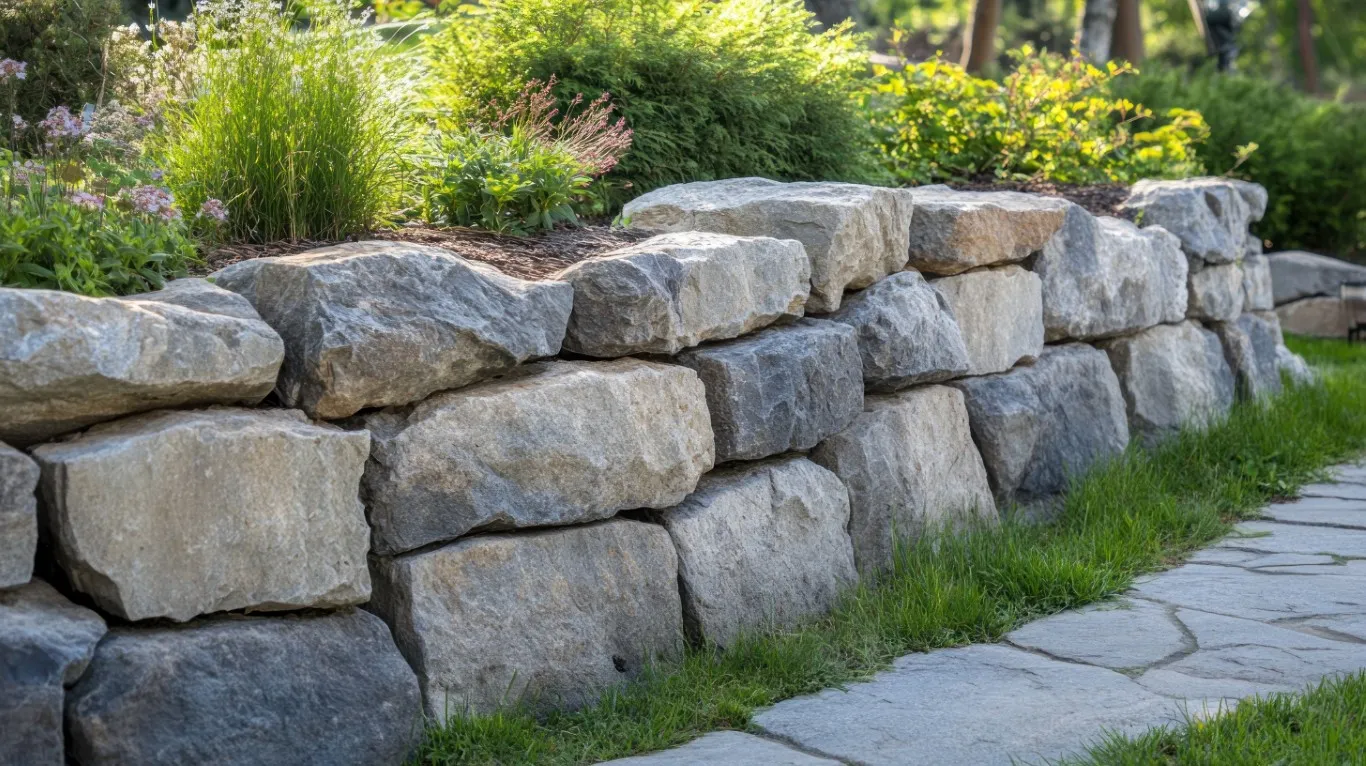
Native and drought-tolerant plants form the backbone of smart Utah landscapes. Species like Russian sage, Utah serviceberry, and blue grama grass thrive with less irrigation and are better suited to alkaline soils. Thoughtful hardscaping—like retaining walls, patios, or decorative gravel beds—can help structure the space without increasing water use or maintenance needs.
Ultimately, a successful landscape in Utah is one that works with, not against, the environment. It’s why we emphasize site-specific designs tailored to soil composition, sun exposure, and elevation.
How often should I water my lawn or plants in Utah?
Watering correctly in Utah is all about precision and efficiency. The dry climate and frequent watering restrictions make it essential to avoid overwatering and runoff.
Here’s a general seasonal guide:
- Spring: 1–2 times per week, depending on precipitation
- Summer: 2–3 times per week for lawns, every 5–7 days for drought-tolerant perennials
- Fall: Taper back to 1 time per week
- Winter: Water only as needed during dry spells when temperatures rise above freezing
We recommend using smart irrigation controllers paired with drip systems or low-precipitation rotary heads. These systems adapt to weather conditions and significantly reduce water waste. If you’re unsure what’s best for your yard, our irrigation audits can help optimize performance.
When is the best time to install new landscaping in Utah?
The best time to install landscaping in Utah largely depends on the type of project and your goals. However, spring and early fall are generally the most favorable seasons.
Spring offers ideal soil temperatures for planting trees, shrubs, and perennials. It also allows turf and root systems time to establish before the summer heat arrives.
Fall is excellent for trees and shrubs due to cooler temperatures and reduced transplant stress. The soil stays warm enough for roots to grow even as air temperatures drop.
For hardscape elements like patios or retaining walls, winter installations are sometimes possible with proper planning and material selection. Our landscape design services can help you schedule and phase the work effectively.
What is xeriscaping, and is it right for my property?
Xeriscaping is a landscaping approach that uses water-efficient design principles to create attractive, low-maintenance outdoor spaces. It’s particularly effective in Utah, where water conservation is both a necessity and a community priority.
A well-executed xeriscape doesn’t mean rocks and cacti. It includes native grasses, flowering perennials, groundcovers, and mulch that retain soil moisture. Efficient irrigation systems, like drip emitters, are a key part of this design.
Xeriscaping works especially well in full-sun areas or where lawn care is difficult to maintain. It can be applied to entire properties or as part of a hybrid plan that balances traditional lawn with water-wise zones.
Do I need professional help for landscape design?
If your project involves grading, drainage solutions, retaining walls, or multiple elements, hiring a professional is highly recommended. Proper landscape design isn’t just about looks—it’s about creating a yard that functions year-round, withstands weather extremes, and improves your property’s value.
DIY projects can work for small planting beds or minor updates. But full-yard transformations, especially those that include irrigation, lighting, or hardscaping, should be handled by experts. Utah Valley Landscaping offers comprehensive design services tailored specifically to Utah conditions.
What are the best plants and trees for Utah yards?
Plants that thrive in Utah are typically drought-resistant, cold-hardy, and able to tolerate alkaline soils. Some top-performing choices include:
- Trees: Autumn Blaze maple, bur oak, Kentucky coffee tree
- Shrubs: Utah serviceberry, rabbitbrush, potentilla
- Perennials: Russian sage, yarrow, lavender, catmint
- Grasses: Little bluestem, blue grama, fescue blends
For high-impact and low-maintenance results, we design planting palettes based on sun exposure, soil testing, and seasonal bloom cycles. This ensures year-round visual interest and durability.
What hardscape features work well in Utah’s environment?
Utah’s freeze-thaw cycles and high UV exposure demand durable, weather-resistant materials for patios, walkways, and other hardscape features.
Pavers are a preferred choice due to their flexibility and ease of repair. Concrete is also viable if installed with proper joints and drainage. Natural stone can enhance aesthetics, especially for retaining walls or water features.
We recommend paver or concrete installation services designed specifically for regional conditions to ensure long-term performance.
How do I prepare my yard for each season?
Seasonal maintenance is critical for long-term health and appearance. Here’s a quick breakdown:
- Spring: Prune dead growth, test soil, apply pre-emergent weed control
- Summer: Monitor irrigation, mow high, watch for pests
- Fall: Aerate lawns, fertilize, cut back perennials
- Winter: Protect young trees, shut down irrigation, monitor snow load on branches
A seasonal care schedule improves landscape resilience and minimizes costly repairs down the road.
Is artificial turf a good option for Utah homes?
Artificial turf is a smart solution for shaded areas, high-traffic zones, pet runs, or places where maintaining live grass is costly or impractical.
Benefits include:
- No mowing or fertilizing
- Excellent water conservation
- Clean, green appearance year-round
We recommend artificial turf for families seeking low-maintenance alternatives that still deliver visual appeal and functional play space.
How much does landscaping cost in Utah?
Costs vary depending on property size, scope of work, and material choices. As a general range:
- Design and consultation: $300–$2,000+
- Sod and planting: $5–$15 per square foot
- Hardscaping: $15–$40 per square foot (pavers, concrete, retaining walls)
- Custom features: Fire pits, lighting, or water features vary based on design
We always recommend budgeting for long-term quality, not just upfront savings. Phased installation plans can help manage costs while achieving the full vision over time.
Can you help with lighting, water features, or custom add-ons?
Absolutely. Outdoor features enhance both functionality and atmosphere. We frequently design and install:
- Exterior lighting for safety, curb appeal, and usability
- Water features like bubbling rocks, streams, or pondless waterfalls
- Fire pits and seating areas for year-round entertainment
Explore these options on our site:
How do I maintain a newly installed landscape?
The first 90 days are critical for ensuring your landscape establishes properly. Focus on:
- Deep, consistent watering (adjusting weekly)
- Monitoring new plants for stress or pests
- Avoiding heavy traffic on soft soil or new turf
Our team provides maintenance tips and optional check-ins after installation to make sure everything is performing as expected.
How long does the landscaping process take from start to finish?
Timelines vary, but here’s a general overview:
- Design and planning: 2–4 weeks
- Installation: 1–3 weeks for average projects, longer for complex jobs
- Permitting (if needed): Add 1–2 weeks depending on local requirements
We coordinate closely with clients to set realistic timelines and minimize disruption.
What should I look for in a Utah landscaping contractor?
Choose a landscaping contractor who:
- Has experience with Utah’s soil, water, and weather patterns
- Offers both design and build services
- Provides clear communication, transparent pricing, and local references
- Is licensed, insured, and committed to quality
At Utah Valley Landscaping, we combine technical expertise with regional insight. Contact us to schedule a consultation: Get in touch
Build with Confidence, Backed by Local Knowledge
Landscaping in Utah presents unique challenges—but it also offers enormous potential for lasting, beautiful, and sustainable outdoor environments. With the right team and a design informed by local conditions, your landscape can thrive in all four seasons.
Utah Valley Landscaping brings decades of expertise in transforming outdoor spaces across Utah County. Whether you’re planning a full redesign or upgrading key areas, we’re here to help you make informed, confident decisions at every stage.
Visit our services page to explore what we offer—or reach out directly to start a project consultation.
Frequently Asked Questions (FAQs)
Q: What plants survive best in Utah’s dry summers?
A: Drought-tolerant perennials like Russian sage, yarrow, and catmint thrive, along with native grasses such as blue grama.
Q: How can I reduce water use without sacrificing curb appeal?
A: Incorporate xeriscaping, drip irrigation, and mulch to maintain aesthetics while minimizing water consumption.
Q: Should I install pavers or concrete for a patio in Utah?
A: Both work well. Pavers offer flexibility and easier repairs, while concrete can be more cost-effective for large areas if installed correctly.
Q: How do I prep my landscape for winter in Utah?
A: Shut down irrigation, mulch vulnerable plants, and prune any limbs at risk of snow damage.Q: Is artificial turf a good idea for Utah properties?
A: Yes, especially in shaded or high-use areas where maintaining live turf is difficult or wasteful.