

Why Landscaping in Utah Valley Is Unique
Landscaping in Utah Valley isn’t just about appearances—it’s a strategic investment that reflects the area’s unique climate, soil conditions, and community values. Whether you’re enhancing a residential yard or updating a commercial property, local knowledge is essential for creating landscapes that are both beautiful and sustainable.
This comprehensive guide will help homeowners, property managers, and business owners make informed decisions when hiring a landscaping company in Utah Valley.
Understanding Utah Valley’s Climate and Terrain
Climate Zones and Environmental Factors
Utah Valley falls within USDA Hardiness Zones 5b to 7a. These zones are important because they determine which plants can survive the region’s temperature extremes. Summers are typically hot and dry, while winters can be long and cold. These swings in climate require careful plant selection and design considerations.
Soil Composition: Challenges and Opportunities
The soil in Utah Valley is often clay-heavy and alkaline. This can pose drainage challenges and limit the variety of plants that will thrive without heavy amendments. Landscaping companies familiar with local soil conditions can select appropriate plantings and soil treatments to enhance success and longevity.
Native Plant Life and Biodiversity
Local flora such as Gambel oak, rabbitbrush, and serviceberry are well-adapted to the region. Choosing native plants not only increases the chance of long-term plant health but also reduces the need for excessive watering and chemical fertilizers. These species also attract beneficial insects and support local biodiversity.
Seasonal Planning and Maintenance Needs
Landscaping in Utah Valley must adapt to the seasons:
- Spring and fall are the best times for planting, soil conditioning, and design work.
- Summer emphasizes irrigation management and pest control.
- Winter focuses on protecting vulnerable plants, pruning, and planning for the next cycle.
By aligning your landscaping plan with these seasonal cycles, you can extend plant life and reduce overall maintenance costs.
Popular Landscaping Styles in Utah Valley
Xeriscaping: Designed for Water Efficiency
Xeriscaping has become a preferred landscaping method in Utah Valley due to ongoing water conservation efforts. It uses drought-tolerant plants, efficient drip irrigation systems, and mulches that retain soil moisture.
Benefits include:
- Lower water bills
- Reduced maintenance
- Resilience during droughts
Modern vs. Traditional Design Aesthetics
Modern landscaping emphasizes clean lines, symmetry, and minimalism. It often features gravel paths, native grasses, and neutral tones. On the other hand, traditional landscaping includes manicured lawns, vibrant flower beds, and ornamental shrubs.
Your choice depends on personal preference, budget, and how much maintenance you’re willing to commit to long term.
Hardscaping Trends: Enhancing Functionality
Hardscaping refers to the non-plant elements of a landscape design. Popular features in Utah Valley include:
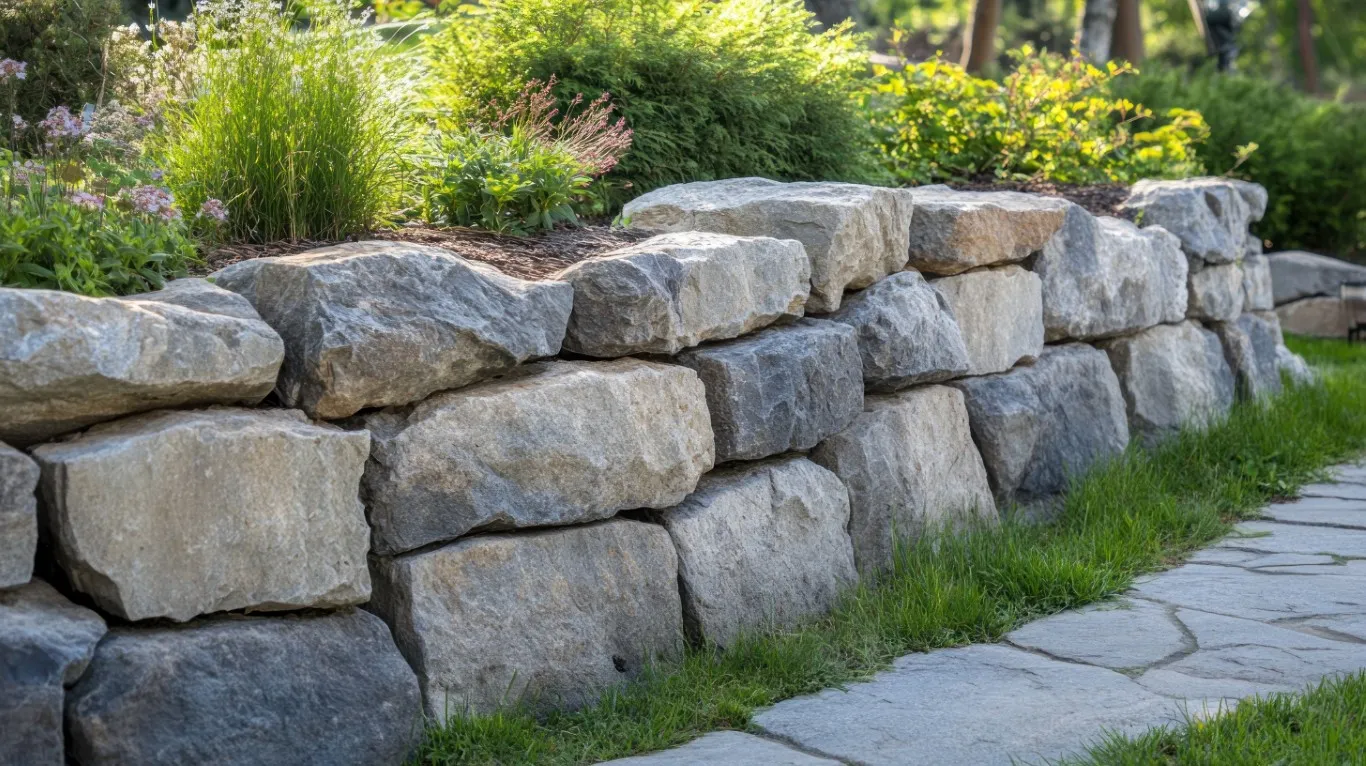
- Retaining walls to address sloped lots
- Outdoor kitchens and patios for entertainment
- Fire pits for year-round use
- Stamped concrete pathways for aesthetic and functional appeal
These features increase usability and significantly raise property value.
Core Landscaping Services You Should Expect
Residential Landscaping Solutions
Residential landscaping covers everything from:
- Front yard design
- Backyard makeovers
- Shade trees and garden beds
- Pathways and fencing
Landscaping companies often offer design-build services that take a project from concept to completion.
Commercial Landscaping Capabilities
Commercial clients benefit from:
- Routine maintenance (mowing, trimming, seasonal planting)
- Installation of large-scale irrigation systems
- Snow removal and safety-related services in winter
- Enhancing business signage visibility with plants or lighting
Professional landscaping boosts a company’s curb appeal and can create a welcoming atmosphere for clients and staff.
Professional Design and Planning
The best landscaping companies will present detailed CAD designs and 3D renderings. These tools offer:
- Realistic previews of the finished space
- Better communication of ideas
- The ability to make design changes before breaking ground
This stage ensures client expectations are aligned with design execution.
Irrigation System Installation and Repair
Water management is critical in Utah Valley. Services often include:
- Drip irrigation systems that target plant roots directly
- Smart irrigation controllers that adjust based on local weather
- Seasonal winterization and spring activation
- Emergency repairs for leaks or faulty zones
An efficient irrigation system reduces water waste and protects your landscaping investment.
Sustainability and Eco-Friendly Practices
Native and Drought-Tolerant Plants
Landscaping companies committed to sustainability emphasize the use of local plants that require minimal inputs. These species have evolved to handle:
- Long periods of drought
- Poor soil conditions
- Pests common to the region
This approach not only saves water but creates resilient landscapes that last.
Organic Fertilization and Pest Control
Avoiding harsh chemicals is safer for families, pets, and the environment. Many landscapers offer:
- Compost-based soil treatments
- Beneficial insect release for pest control
- Organic herbicides for weed management
This keeps your outdoor space safe while promoting long-term soil health.
Smart Irrigation and Resource Efficiency
Installing smart irrigation systems can significantly reduce water usage. These systems include:
- Soil moisture sensors
- Weather-linked controllers
- Mobile apps for user control
They ensure plants receive exactly the amount of water they need, and no more.
How to Choose the Right Landscaping Company in Utah Valley
Credentials and Professional Standards
Ensure your chosen company has:
- A valid Utah contractor’s license
- Proof of general liability and worker’s compensation insurance
- Industry certifications such as those from the Utah Nursery & Landscape Association (UNLA)
These are indicators of professionalism and accountability.
Local Experience and Portfolio
Experience with Utah Valley landscapes ensures the company understands:
- Local plant behavior
- Climate stressors
- Municipal and HOA regulations
Ask to see a portfolio of completed projects in your area, especially those similar in scope and budget to your own.
Transparent Bidding and Project Estimates
Reputable companies will offer:
- Free or low-cost initial consultations
- Detailed, itemized quotes that explain labor, materials, and timelines
- Written contracts that protect both parties
This transparency reduces miscommunication and project delays.
Evaluating Testimonials and Reviews
Read online reviews on Google, Yelp, and Nextdoor. Look for:
- Verified local clients
- Clear descriptions of work quality and reliability
- Consistent ratings above 4.5 stars
Beware of reviews that mention unresponsiveness, poor cleanup, or missed deadlines.
Key Questions to Ask Your Landscaper
Before committing to a contract, ask:
- What services do you specialize in? Make sure their expertise matches your needs.
- Do you offer a design plan before starting? Designs help clarify expectations.
- Are your plants and materials locally sourced? Local sourcing ensures durability and supports nearby suppliers.
- How long will the project take? Timelines should be realistic and account for weather.
- What warranties or guarantees do you provide? Understand how they handle post-project issues.
Why Choose a Local Landscaping Company
Deep Knowledge of the Region
Local companies understand:
- Soil structure
- Elevation challenges
- Drought-resistant planting
They’ll avoid design pitfalls and ensure long-lasting results.
Better Communication and Project Management
Being nearby allows landscapers to:
- Visit the site more frequently
- Handle last-minute adjustments
- Provide more personalized service
Community Investment
Supporting a local business helps the broader community and keeps money circulating within the regional economy.
Case Studies: Transforming Outdoor Spaces
Case studies showcase real outcomes and give insight into a landscaper’s capabilities.
Example 1: A Lehi backyard was transformed into a low-maintenance retreat using native shrubs, gravel paths, and a pergola for shade. This reduced water usage by 40%.
Example 2: A Provo front yard was redesigned to meet strict HOA guidelines while incorporating modern design elements like steel planters, river rock beds, and LED lighting.
These stories reflect the importance of planning, experience, and creativity.
Understanding Landscaping Costs in Utah Valley
Typical Price Ranges
| Service | Estimated Cost |
|---|---|
| Lawn maintenance | $50–$100/month |
| Landscape design | $500–$2,500 |
| Full yard renovation | $5,000–$50,000+ |
| Irrigation system | $1,500–$4,000 |
Prices vary by yard size, material quality, and labor complexity.
Tips for Managing Budget
- Choose a phased approach (e.g., front yard this season, backyard next)
- Opt for in-season materials and plants
- Ask for package discounts
Payment and Financing
Many landscapers offer:
- Monthly payment plans
- Partnerships with local credit unions or finance firms
- Discounts for early booking
Always clarify interest rates and payment terms upfront.
Permits and HOA Compliance
What Requires Approval?
Some common projects requiring permits:
- Retaining walls
- Drainage system installation
- Irrigation systems connected to city lines
- Major grading or excavation
Avoiding HOA Conflicts
HOAs may limit:
- Plant height and variety
- Types of fencing
- Decorative features
Request guidelines from your HOA before beginning work. Noncompliance could result in penalties or removal.
Leveraging Technology in Landscaping
Integrating Drone Imaging and 3D Modeling
Modern landscaping companies are adopting cutting-edge technology to increase project accuracy and client satisfaction. One of the most powerful tools now used in the industry is drone imaging. Drones can:
- Capture aerial views of the property for spatial analysis
- Identify elevation changes and drainage issues
- Help designers plan large-scale projects with higher accuracy
In tandem with drones, 3D modeling software allows clients to visualize:
- Color schemes and plant maturity over time
- Placement of hardscaping elements like pergolas, patios, and retaining walls
- Lighting layouts and irrigation zones
These tools reduce surprises and make it easier to communicate design preferences.
Mobile Apps for DIY Planning
While professionals manage the execution, homeowners can get involved during the concept phase by using landscape planning apps. Useful platforms include:
- iScape: Allows users to take a picture of their yard and virtually add plants, furniture, and paths.
- PRO Landscape Home: Offers drag-and-drop features for both plant and hardscape design, especially helpful for exploring layout ideas.
These apps can be an effective starting point for conversations with your landscaping contractor.
Seasonal Landscaping Maintenance Tips
Maintaining a beautiful landscape year-round requires a proactive approach tailored to Utah Valley’s seasonal conditions.
Spring
- Aerate lawns to improve water absorption.
- Apply a balanced fertilizer to encourage new growth.
- Refresh mulch to suppress weeds and retain soil moisture.
Summer
- Water early in the morning to prevent evaporation.
- Keep grass at a taller height to protect roots from heat.
- Watch for signs of stress or pests in ornamental plants.
Fall
- Rake leaves and remove spent annuals.
- Overseed lawns for thicker turf in the spring.
- Prune perennials and trees to promote healthy dormancy.
Winter
- Protect young or delicate plants with burlap or wraps.
- Drain and winterize irrigation systems to prevent freeze damage.
- Use anti-desiccant sprays on evergreens to reduce moisture loss.
These tasks can be managed by the homeowner or included in a full-service maintenance contract with a landscaping company.
Reading and Using Customer Testimonials
Customer reviews are one of the most reliable indicators of service quality. Here’s how to evaluate them effectively:
What to Look For
- Specificity: Look for detailed reviews that mention project types, communication quality, and team professionalism.
- Visuals: Before-and-after photos or time-lapse galleries build credibility.
- Response Patterns: See if the company responds to reviews, especially critical ones. This shows a willingness to improve.
Red Flags
- Generic Praise: Reviews that are vague or overly glowing without details may not be trustworthy.
- Negative Trends: If several reviews mention similar problems (e.g., poor cleanup, delays), take caution.
Cross-reference platforms such as Google, Yelp, Houzz, and the Better Business Bureau for a complete view of a landscaper’s reputation.
Frequently Asked Questions (FAQs)
1. What is the best time to start a landscaping project in Utah Valley?
Answer: Spring and early fall are ideal due to the mild weather and optimal soil conditions for plant establishment. These seasons allow plants to root deeply before extreme temperatures set in.
2. How much does landscaping typically cost in Utah Valley?
Answer: Basic services like mowing start at around $50/month. Full-scale renovations can range from $5,000 to $50,000 or more, depending on design complexity and material choices.
3. Do I need a permit to landscape my yard?
Answer: Yes, for some projects. Any major alterations like irrigation systems, retaining walls, or drainage changes may require city permits. Always check with your municipality and HOA.
4. What are water-efficient landscaping practices?
Answer: Practices include xeriscaping, smart irrigation systems, soil amendments with compost, and using drought-tolerant or native plants. These strategies reduce water use and promote sustainability.
5. Can landscaping increase my home’s resale value?
Answer: Absolutely. A well-landscaped yard can provide up to 200% return on investment by enhancing curb appeal, increasing usable outdoor space, and appealing to eco-conscious buyers.
6. How do I find a trustworthy landscaping company in Utah Valley?
Answer: Look for firms with local experience, proper licensing, excellent reviews, transparent pricing, and detailed project portfolios. It’s also wise to seek referrals from neighbors or local home improvement groups.
Invest in Your Landscape the Right Way
Landscaping in Utah Valley requires more than just an eye for beauty—it demands a deep understanding of regional climate, soil, plant compatibility, and local regulations. Whether you’re dreaming of a lush garden, a modern retreat, or a water-wise layout, partnering with a reputable local landscaping company ensures that your vision becomes a reality.
By applying the tips in this guide—asking the right questions, setting a smart budget, and focusing on sustainability—you’ll enjoy a thriving outdoor space that enhances your property’s value and your quality of life for years to come.