
If you’re a homeowner in Utah Valley, understanding the true cost of landscaping is one of the smartest steps you can take before starting a project. From freshening up a front yard to creating a backyard oasis, having realistic numbers—and knowing what influences them—helps you plan wisely and avoid budget surprises. The truth is, no two properties are alike, and regional factors like soil type, slope, city permits, access for machinery, and seasonal labor rates all affect your final bill. That’s why a generic online calculator almost never matches what you’ll actually pay once a local expert sees your site in person.
Why Landscaping Costs Vary in Utah Valley
In Utah Valley, one property’s budget can look very different from another’s, even if they’re in the same neighborhood. Lots in places like Lehi or Highland often have uneven ground or steep slopes that require retaining walls, excavation, and drainage systems—each adding to the base price. Flatter areas like Saratoga Springs can be more straightforward, often needing less structural support and fewer earthworks. The soil itself matters too. Rocky or clay-heavy soils might need extra grading and amendments, while accessible, healthy soil can reduce prep work. On top of that, material delivery costs and labor rates change depending on the season. Many crews book out in spring and early summer, driving up demand and pricing. Local knowledge is crucial, and it’s one reason why a site visit is so valuable.
Key Cost Drivers in Utah Valley Landscaping Projects
When you’re setting your budget, think about four main categories that will shape your final cost. First is labor—usually the biggest expense. Skilled crews have the training and equipment to handle everything from grading to stonework, irrigation, and planting. These professionals keep up with local building codes and industry best practices, which means they’re worth every penny, especially when you consider long-term durability. Second is material quality and sourcing. Premium items like imported flagstone, mature trees, custom outdoor lighting, or synthetic turf push costs up. Choosing native or locally sourced materials can help control your budget while still delivering beautiful results that thrive in our climate. Third is site conditions. Steep grades, hard-to-access backyards, or lots with rocky layers require more labor and sometimes specialized machinery. Finally, design complexity makes a big difference. A simple grass-and-plant project won’t cost the same as an intricate plan with multi-zone irrigation, lighting systems, outdoor kitchens, or pools.
Average Price Ranges for Landscaping Services
Knowing what other homeowners typically spend can help you plan. A front-yard installation with new sod, planting beds, basic irrigation, edging, and simple lighting often costs between $5,000 and $25,000, depending on the size and materials. Backyard installations with patios, retaining walls, fire pits, pergolas, or an outdoor kitchen can run anywhere from $10,000 to $75,000 or more. If you’re starting from scratch or doing a full property renovation, comprehensive upgrades that cover grading, drainage, paving, custom stonework, and planting can easily reach $20,000 to $100,000+. These ranges reflect real jobs completed in places like Provo, Eagle Mountain, Lehi, and Highland, but they’re just guidelines. There are many variables—like soil condition, slope, access, and materials—that can make your project more affordable or more expensive. The best way to get an accurate number for your yard is to request a detailed, personalized quote from Utah Valley Landscaping. A site visit lets you see exactly what’s needed, helps you make informed choices, and avoids cost surprises later.
What Professional Landscape Design Actually Costs
A thoughtful design plan does more than make your yard look good on paper—it prevents expensive changes mid-project, helps crews work efficiently, and gives you a clear vision for what’s possible now and in the future. In Utah Valley, expect to pay between $1,500 and $8,000 for professional design services, depending on lot size and complexity. A solid plan includes grading, irrigation, plant selection, and hardscape placement that all fit your microclimate. Some designers even provide 3D renderings or phased rollout plans so you can tackle upgrades over time as your budget allows.
How Much Does Hardscaping Cost?
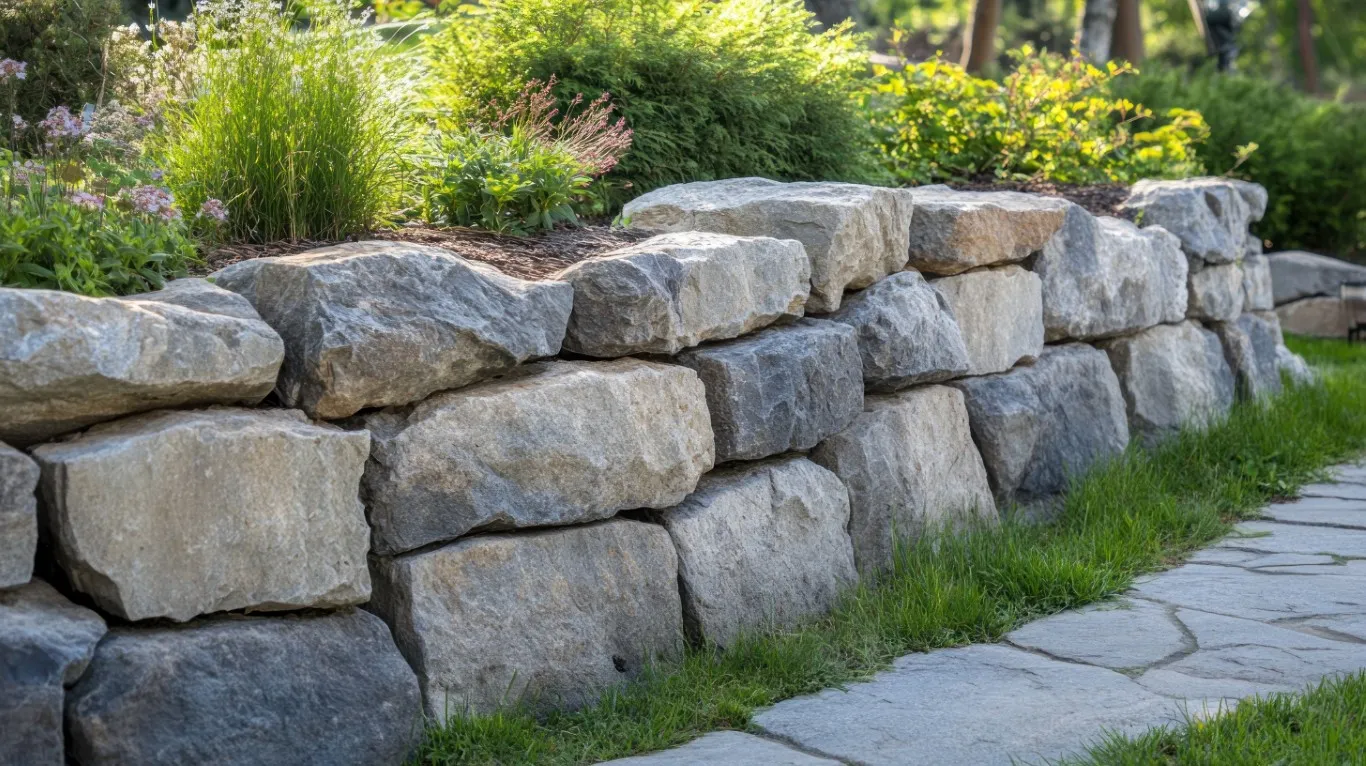
Hardscaping is the backbone of a functional, beautiful outdoor living area. Quality patios, walkways, fire pits, and retaining walls make the yard usable and enjoyable for years. Homeowners typically budget $20–$40 per square foot for paver patios, depending on the type of pavers, pattern, and site prep required. Poured concrete is a bit less, ranging from $10–$25 per square foot, with custom colors or stamped finishes at the higher end. Retaining walls run $40–$100 per linear foot, based on the height, materials used, and whether engineering is needed for stability. Proper installation is non-negotiable in Utah’s climate. Freeze-thaw cycles mean the quality of what’s below the surface—grading, base compaction, and drainage—is just as important as the stone you see on top.
The Value of Outdoor Living Upgrades
Outdoor living features are more popular than ever because they make your yard an extension of your home. A custom fire pit can transform evenings outside and typically costs $2,000 to $8,000, depending on whether it’s gas or wood-burning and how much custom stonework or seating is involved. Well-planned exterior lighting adds safety and atmosphere, with costs generally falling between $1,500 and $7,000. Investing in durable, weather-tested fixtures means you won’t be replacing them every few years, and smart controls make it easy to adjust for the seasons or your lifestyle.
Pools, Water Features, and Premium Additions
For those wanting the ultimate backyard retreat, custom pools and water features deliver serious wow factor. A fully custom pool often starts around $50,000 and can go much higher depending on the shape, finish, heating, covers, and fencing required by local codes. Water features like bubbling rocks, waterfalls, or pondless streams usually begin around $3,000 and range up to $20,000+, depending on plumbing, pumps, and filtration needs. These features require solid planning, permits, and expert installation to ensure they run smoothly and look great for years.
Why Xeriscaping is a Smart Investment
Utah’s dry climate makes xeriscaping a smart option that balances beauty with water conservation. A typical xeriscape project runs $6,000 to $30,000+, depending on yard size and complexity. Instead of thirsty turf, you get drought-tolerant plants, mulch, drip irrigation, and permeable paths or patios. While the upfront cost can be slightly higher than a grass lawn, many Utah cities now offer water rebates that help offset expenses. Plus, you save long-term on watering, mowing, and fertilizer—giving you a landscape that’s both sustainable and budget-friendly over time.
Budgeting for Irrigation and Drainage
A good irrigation system is essential in Utah’s climate, keeping your landscape healthy through hot summers and unpredictable spring weather. Homeowners usually spend $2,000 to $10,000+ for drip or spray systems, depending on yard size and the number of zones. Adding smart controllers costs around $400–$1,200 and lets you manage watering remotely for better efficiency. Drainage is equally important. Poor drainage can damage plants and your home’s foundation. Solutions like French drains, swales, or sump basins typically cost $1,500–$5,000, but they’re worth every penny to protect your investment.
The Realities of Ongoing Maintenance
Landscaping isn’t a one-and-done project. Keeping your yard beautiful requires seasonal upkeep. Spring and fall cleanups generally cost $300–$1,500, depending on the property size and how much debris needs to be cleared. Regular pruning and fertilization run about $200–$800 per season, ensuring trees and shrubs stay healthy and vibrant. In Utah’s cold winters, winterization for irrigation blowouts and protecting delicate plants usually costs $100–$400. These routine services help you avoid bigger, more expensive problems later and keep your yard looking its best year-round.
How to Get an Accurate Estimate
No two properties are exactly alike, so be cautious about relying on national cost estimators. They often leave out important local details that affect your price. A trustworthy landscaper will always schedule a site visit, inspect your soil and grading, review any elevation or access challenges, and provide you with a clear scope of work and a transparent breakdown of labor, materials, and timelines. This is where working with Utah Valley Landscaping makes a difference. They know local soil, slopes, and weather better than anyone—and they’ll explain where you can save money without cutting corners and where you shouldn’t compromise. Comparing estimates should always be about quality and clarity, not just the lowest number on paper.
Smart Ways to Save Without Sacrificing Quality
A well-planned landscape doesn’t have to break the bank. Many homeowners spread their projects over phases, starting with essential infrastructure like grading, irrigation, and hardscaping, then adding planting beds, lighting, or specialty features later as their budget allows. Reusing mature trees, healthy soil, or intact pathways can also reduce demolition and replacement costs. Opting for native and adaptive plants means lower water use and less maintenance, saving money year after year. And the best part is, Utah Valley Landscaping can help you plan each stage with realistic budgets so you never feel overwhelmed.
Why Local Pros Make All the Difference
A professionally designed and installed landscape is about more than curb appeal. It boosts your home’s resale value, withstands Utah’s demanding seasons, and gives you functional outdoor spaces that make everyday living better. Local pros like Utah Valley Landscaping understand regional microclimates, soil quirks, local building codes, and the best materials for our freeze-thaw conditions. They stand by their work with clear warranties and ongoing support, so you can enjoy your new yard with confidence.
Frequently Asked Questions
What’s the most expensive part of a landscaping project?
Hardscaping like patios, retaining walls, and pools typically make up the largest part of the budget due to materials, labor, and structural needs.
Can I get a quote without a site visit?
A rough range is possible, but for an accurate estimate, an in-person visit is always best to evaluate slope, soil, access, and local requirements.
Is it cheaper to do landscaping in phases?
Yes. Many homeowners tackle the basics first—like grading, drainage, and patios—then add features like planting or lighting later. This keeps quality high without financial strain.
How much does a landscape design cost in Utah Valley?
Most professional designs run between $1,500 and $8,000, depending on yard size, complexity, and whether you need 3D visuals or a phased plan.
Are there rebates for xeriscaping in Utah?
Yes! Many municipalities offer water-wise landscaping rebates. Utah Valley Landscaping can help you identify what applies to your area.