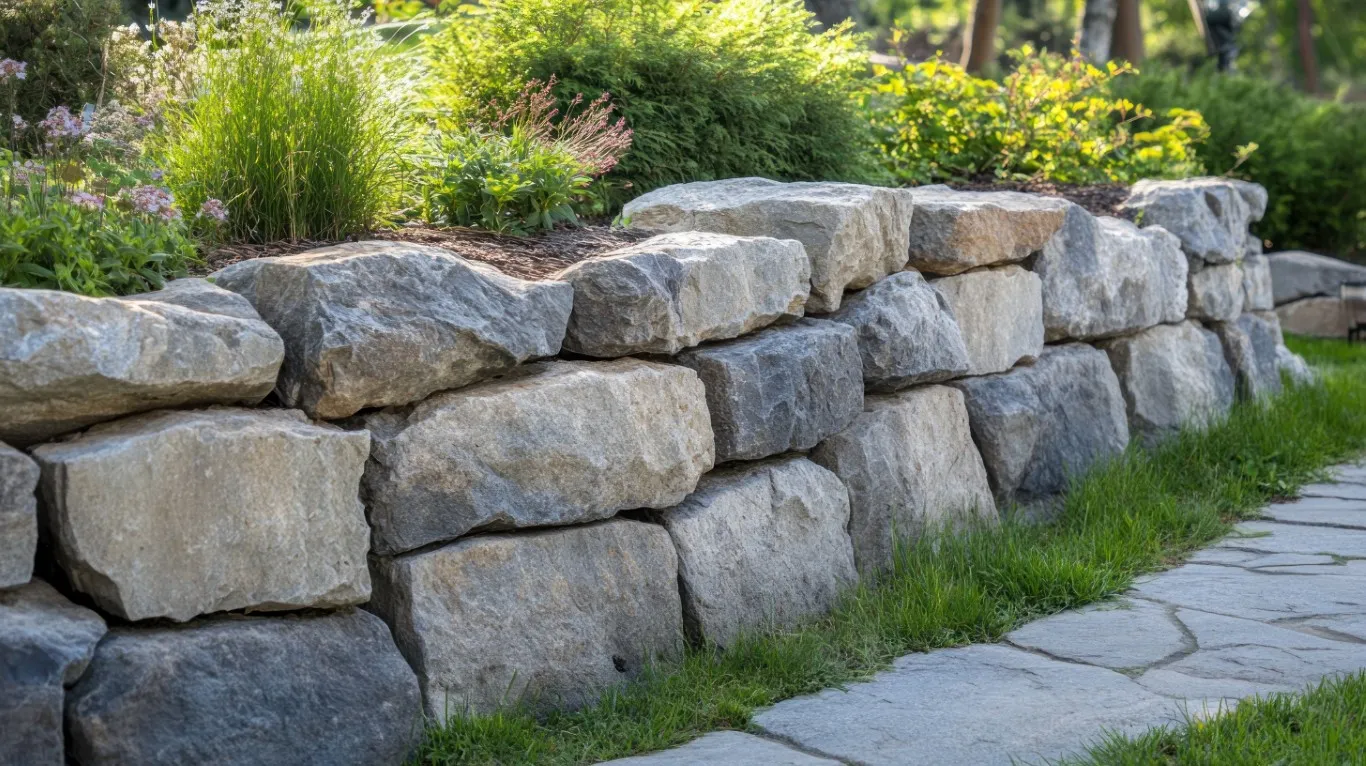

A front yard that fails in Utah’s climate can drain your water bill and weaken your curb appeal right when a buyer is forming a first impression. In Utah Valley, strong front yard curb appeal in Utah comes from balancing beauty with low water use and neighborhood fit, using drought-tolerant plantings, durable concrete and hardscaping, and materials built for our climate. Keep reading to see what actually works here.
What Makes a Great Front Yard in Utah? (Start Here Before You Plan)
A great Utah front yard looks beautiful year-round while surviving hot summers, cold winters, and limited rainfall, which means every design choice should pass through three filters: soil, water, and neighborhood fit.
Utah sits in a semi-arid climate and is one of the driest states in the nation. According to the Utah Division of Water Resources, water-wise landscaping is a central part of the state’s long-term conservation planning. That reality shapes what thrives and what struggles in a front yard here.
Start with your soil. Much of Utah Valley sits on alkaline, clay-heavy ground that drains slowly and resists many popular ornamental plants. Plants that flourish in a Pinterest photo from the Pacific Northwest often fail in Lehi or American Fork.
Water comes next. Between summer heat and ongoing conservation efforts, a front yard packed with thirsty turf becomes a maintenance and cost burden. Low water front yard landscaping in Utah County that leans on native plants and hardscape holds up far better.
Finally, factor in your neighborhood. Many newer subdivisions across Highland, Alpine, and Lehi have HOA guidelines that dictate plant coverage, materials, and even color palettes. Run your idea through all three filters, soil, water, and fit, before you buy a single paver.
Drought-Resistant Landscaping Ideas That Still Look Lush
Drought-resistant landscaping is not dry or barren. A well-planned front yard xeriscape in Utah uses native plants, decorative rock, and low-water perennials to create a lush, textured look that thrives on a fraction of the irrigation a traditional lawn demands.
Xeriscaping has become one of the smartest front yard moves in Utah County, and it does not mean gravel and cactus. A layered drought-resistant landscape design blends color, height, and movement while sipping water instead of guzzling it. These drought resistant front yard ideas in Utah consistently perform well:
- Native and adapted plants like blue grama grass, Utah serviceberry, rabbitbrush, and penstemon, which handle our soil and sun without constant watering
- Low-water perennials such as Russian sage, yarrow, and lavender for reliable color through the growing season
- Decorative rock beds and gravel pathways that reduce watered surface area and add clean structure
- Boulder accents for a natural, high-end focal point that needs minimal maintenance
Because much of Utah County deals with variable water pressure and tightening restrictions, xeriscape often becomes the practical choice, not just the eco-friendly one. It also fits many HOA landscape requirements once you confirm plant coverage minimums.
Check one more thing before you plan: several local water providers offer water-smart landscaping rebate programs to homeowners who convert lawn to water-wise designs. Amounts and eligibility change, so contact your local water district or check the state’s Utah Water Savers program to see what applies to your address.
Hardscaping Ideas: Concrete, Pavers, and Pathways for Utah Front Yards
Hardscaping is one of the highest-return front yard upgrades in Utah because it cuts maintenance, resists our freeze-thaw cycles, and delivers curb appeal every month of the year, not just during the growing season.
A defined walkway or decorative concrete apron instantly organizes a front yard and guides the eye toward your entry. When homeowners search for concrete pathway ideas front yard, they are usually after this exact effect: structure that lasts.
Your main hardscape options include:
- Poured concrete walkways for a clean, seamless look that pairs well with modern and minimalist homes
- Paver pathways for a textured, upscale feel with the flexibility to repair individual units if needed. A paver walkway in a Utah front yard also handles our freeze-thaw movement well
- Decorative borders and edging that separate planting beds from lawn or gravel and keep everything crisp
Homeowners love the idea of stained or decorative concrete but often worry about which color will hold up under Utah’s intense sun. That is a fair concern, because our UV exposure runs high, especially at Utah Valley’s elevation.
Here is the short version: acid-based stains chemically react with the concrete and penetrate the surface, producing lasting, UV-stable color. Water-based stains offer a wider color range but sit closer to the surface and typically need periodic resealing in high-UV environments like ours. The next section covers the full breakdown.
For proof rather than promises, we keep a gallery of completed Utah patios and walkways showing real stained concrete finishes under real conditions. Explore the full range of finishes and applications on our concrete installation service page to see what holds up locally.
Artificial Turf in the Front Yard: Is It Right for Your Utah Home?
Artificial turf in a Utah front yard is increasingly popular because it stays green without irrigation through summer heat and winter freeze, though it is not the right fit for every homeowner or every HOA.
Some Utah Valley communities restrict or prohibit synthetic grass in front yards, and some homeowners simply prefer the feel of natural lawn. Turf is a strong tool, not a universal answer, so confirm your community’s rules before you plan around it.
Modern synthetic grass has come a long way. Today’s products look convincing up close, feel soft underfoot, and use UV-stabilized fibers designed to resist fading in direct sun. Quality artificial grass is engineered for heavy use, which is exactly what a high-traffic entry path demands.
Turf performs best in specific front yard spots:
- Narrow side yards where grass struggles to grow and mowing is awkward
- Full-sun strips near driveways and sidewalks that bake all summer
- High-traffic entry paths where natural grass wears down to dirt
Before committing, confirm your HOA’s stance in writing. Once you know turf is allowed, our artificial turf installation team can walk you through blade styles and infill options suited to Utah’s temperature swings.
Concrete Stain Colors That Hold Up in Utah Sun: A Visual Matching Guide
For lasting color in Utah’s high-UV climate, acid-based stains in earthy tones offer the most durable, UV-stable finish, while water-based stains provide broader color choices but need periodic resealing. When comparing concrete stain colors for outdoor use in Utah, match warm-toned homes to earth tones and cool-toned homes to charcoal or slate.
Many front yard concrete projects go wrong right here, so slow down. Utah Valley’s elevation means stronger UV exposure than most of the country, and that punishes surface-level color.
Acid-Based vs. Water-Based Stains
Acid-based stains penetrate and chemically bond with the concrete, creating variegated, mottled color that will not peel because the color lives inside the slab. The tradeoff is a limited palette centered on earthy tones: terra cotta, slate, sandstone, and warm browns.
Water-based stains sit nearer the surface and open up a much wider color range, including blues, greens, and custom tones. In a high-UV environment like Utah, they benefit from resealing to keep the color vivid and protected. Manufacturer guidance varies, so follow the product spec for your specific stain.
Matching Stain Tone to Your Home Exterior
A simple framework keeps your front yard cohesive:
- Warm-toned homes (red brick, tan or beige stucco) pair beautifully with earth-tone stains like terra cotta and sandstone
- Cool-toned homes (gray siding, white trim, black accents) look sharp with charcoal, slate, and cool gray finishes
- Mixed-material homes can pull a stain color from the stone or trim accent to tie the whole entry together
Picturing the finished result is the hardest part. That is exactly why we recommend viewing our completed project gallery of stained concrete finishes and contacting us so you can see physical samples against your actual home before deciding. No cookie-cutter color chart, just the tone that fits your house.
Front Yard Layout Ideas: How Utah Homeowners Are Designing Their Spaces
The most popular Utah Valley front yard layouts combine three things: a defined pathway, a water-smart planting bed, and one statement hardscape element like a decorative concrete apron, paver border, or boulder feature.
Whatever your style, these four layout archetypes cover what actually gets installed and lasts in Utah County. They are a solid starting point for Utah landscaping design ideas tailored to your lot.
The Clean Minimal Look
- Poured concrete walkway with crisp edges
- Gravel or decorative rock ground plane
- A few sculptural native plants for contrast
The Warm Welcoming Entry
- Paver pathway leading to the door
- Layered flower and perennial borders
- Low-voltage pathway lighting for evening curb appeal
The Water-Wise Showpiece
- Full xeriscape planting bed with varied textures
- Strategic boulder placement as a focal point
- Drought-tolerant ground cover to fill gaps
The Turf-and-Trim Look
- A clean panel of artificial turf for year-round green
- Concrete edging to frame it sharply
- Structured shrubs for height and definition
Most Utah Valley homeowners end up mixing archetypes, and that is the point. A custom-tailored design that fits your home, your family’s routine, and your HOA guidelines will always outperform a template lifted from a national blog. Cookie-cutter plans ignore your soil, your sun, and your neighborhood rules.
How to Start Your Front Yard Landscaping Project in Utah Valley
The best way to start is with a site assessment that accounts for sun exposure, soil type, water access, and HOA guidelines before you spend a dollar on materials. Getting these fundamentals right up front prevents costly rework later.
Here is the process we use at Utah Valley Landscaping to keep your transformation hassle-free:
- Initial consultation where we walk your property, discuss your goals, and flag site conditions like drainage and sun exposure
- Design concept tailored to your home, your family’s lifestyle, and your neighborhood requirements, never a cookie-cutter plan
- Material selection including stain colors, plant choices, pavers, and turf, with samples you can see in person
- Professional installation handled by our crew, backed by our 1-year warranty on installations
Before you commit to any design, verify your HOA’s landscaping and material guidelines in writing. That small step saves real headaches, and it reflects how we work: honest guidance first, beautiful results second.
Whether you are refreshing a tired front yard before listing or finally building the entry you have always wanted, we would love to help you create an outdoor space your family actually enjoys. As a licensed and insured Utah Valley landscaping company, we bring local knowledge to every project. Contact Utah Valley Landscaping at (801) 899-9199 or reach out through our contact page for a free consultation with no pressure. We are proud to serve homeowners across Utah County, including Lehi, American Fork, Highland, and Alpine, and we are ready to help you build your dream yard.
Frequently Asked Questions
What are the best low-water plants for a Utah front yard?
The strongest performers for Utah front yards are native and adapted species that tolerate our alkaline, clay-heavy soil and intense sun. Blue grama grass, Utah serviceberry, rabbitbrush, and penstemon all thrive with minimal irrigation, while low-water perennials like Russian sage, yarrow, and lavender add reliable seasonal color. These plants handle Utah Valley’s hot summers and cold winters far better than ornamentals bred for wetter climates. Grouping plants by similar water needs also helps you irrigate efficiently and keep your beds looking full year after year.
Is artificial turf allowed in front yards in Utah Valley HOA communities?
It depends entirely on your specific community, since some Utah Valley HOAs restrict or prohibit synthetic grass in front yards while others allow it with conditions. Certain neighborhoods regulate plant coverage minimums, materials, and even color palettes, so turf rules vary widely from one subdivision to the next in areas like Highland, Alpine, and Lehi. Always confirm your HOA’s stance in writing before you plan a design around turf. That single step prevents costly rework and avoids conflicts with your community’s guidelines.
How long does concrete stain last in Utah’s sun and heat?
Longevity depends heavily on which stain you choose because of Utah Valley’s high-elevation UV exposure. Acid-based stains chemically bond with the concrete and keep their color inside the slab, so they resist fading and peeling for many years with minimal upkeep. Water-based stains sit closer to the surface and typically need periodic resealing to stay vivid in our strong sun. Following the manufacturer’s spec for resealing intervals is the best way to protect your investment over time.
What is the difference between acid stain and water-based stain for outdoor concrete?
Acid-based stains penetrate and chemically react with the concrete to create variegated, mottled color that lives inside the slab, which means it will not peel and holds up well under UV exposure. The tradeoff is a limited palette centered on earthy tones like terra cotta, slate, sandstone, and warm browns. Water-based stains sit nearer the surface and offer a much broader color range, including blues, greens, and custom shades. In a high-UV climate like Utah, water-based stains benefit from periodic resealing to maintain their color and protection.
How do I match my concrete stain color to my home’s exterior?
Start by identifying whether your home leans warm or cool in tone. Warm-toned homes with red brick or tan and beige stucco pair beautifully with earth-tone stains like terra cotta and sandstone, while cool-toned homes with gray siding, white trim, or black accents look sharp with charcoal, slate, and cool gray finishes. If your home mixes materials, pull a stain color from an existing stone or trim accent to tie the entry together. The most reliable approach is viewing physical stain samples against your actual home rather than relying on a printed color chart.
Do I need a permit for front yard landscaping in Utah County?
Most standard front yard landscaping projects like plantings, gravel beds, and simple walkways do not require a permit, but requirements vary by city and project scope. Larger work involving grading, drainage changes, retaining walls, or structures may trigger permit or inspection requirements depending on your municipality. Just as important, many Utah Valley communities have HOA guidelines that dictate plant coverage, materials, and color palettes. Confirm both your city’s rules and your HOA’s written guidelines before you begin so you avoid fines or forced rework.
How much does front yard landscaping in Utah Valley typically involve in terms of process and timeline?
A well-run project usually moves through four phases: an initial consultation and site assessment, a custom design concept, material selection, and professional installation. The site assessment comes first and accounts for sun exposure, soil type, water access, and HOA guidelines before any materials are purchased. Timelines vary based on project size, material availability, and weather, since Utah’s seasons affect when certain work can happen. Getting the fundamentals right up front prevents costly delays and rework later in the process.
{“meta_title”:”Front Yard Landscaping Ideas for Utah Homes (2026)”,”meta_description”:”Front yard landscaping ideas built for Utah’s climate: xeriscape, concrete stains, pavers, and turf that last. Free consultations in Utah Valley. Get started today.”}