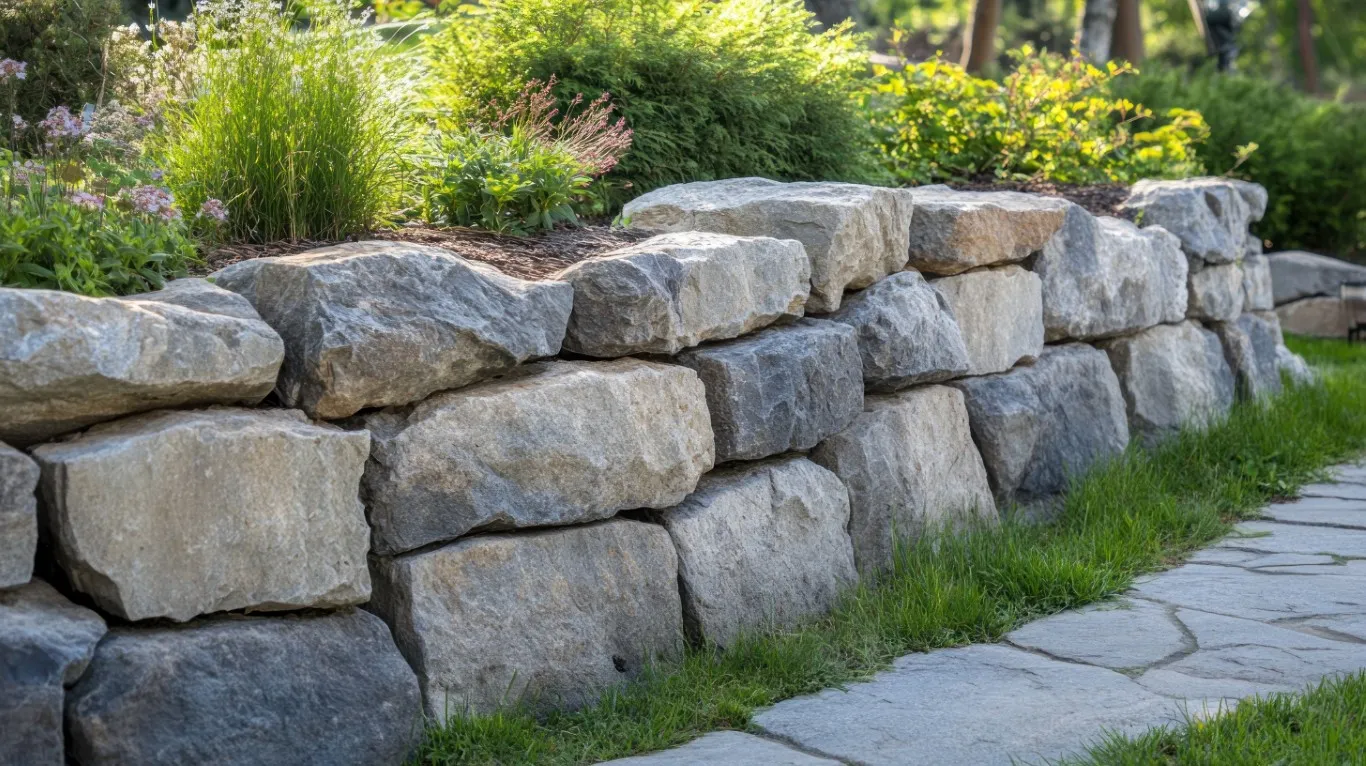


Modern landscape design has evolved from a niche aesthetic into the most practical approach to outdoor living. Unlike traditional landscaping that prioritizes decorative complexity, contemporary landscape design focuses on creating spaces that actually get used. The difference isn’t just visual. It’s about how your outdoor space functions day to day, how much time you spend maintaining it, and whether it genuinely extends your living area or just sits there looking nice for the neighbors.
This shift toward modern garden design reflects how we actually live in 2026. We want outdoor spaces that work as hard as our indoor rooms, require minimal upkeep, and look intentional rather than accidental. Whether you’re working with a compact urban lot or a sprawling property, the principles of minimalist landscaping deliver more value per square foot than any other approach. The best part is that modern doesn’t mean cold or sterile. Done right, it creates spaces that feel both serene and incredibly inviting.
If you’ve walked past a home and noticed clean stone pathways, grouped plantings that actually make sense, and a patio that looks like someone designed it rather than just plopped down some pavers, you’ve seen modern landscape design in action. The question isn’t whether this approach works. It’s whether it’s right for your property, your climate, and your budget. Let’s break down exactly what makes contemporary outdoor spaces so much more livable than their traditional counterparts.
What Makes Landscape Design Truly Modern
Modern landscape design is defined by three core principles: clean geometric lines, edited plant selections, and the philosophy that every element must serve a purpose. Where traditional landscaping often fills every inch with ornamental variety, modern design uses restraint to create breathing room. Think open lawn panels bordered by mass plantings of three to five species rather than a chaotic mix of dozens. Think straight pathways with purpose rather than meandering curves that lead nowhere.
The foundation of contemporary landscape design is form follows function. This isn’t just design school theory. It means your patio is sized for actual furniture and real gatherings, not arbitrarily shaped to fit leftover space. It means plantings are positioned to provide privacy, frame views, or define zones rather than scattered randomly around the yard. A traditional landscape might place seven different shrub varieties along a foundation because variety feels abundant. A modern approach repeats one or two species in a rhythmic pattern that reads as intentional architecture rather than botanical collection.
The connection between indoor and outdoor spaces is critical in modern garden design. Sightlines matter. If your kitchen looks out onto the backyard, the landscape should feel like an extension of your interior rather than a separate world. This means coordinating materials. If you have large-format tile inside, consider concrete pavers in complementary tones outside. If your interior palette is warm woods and black accents, carry those into your fencing and planter materials. According to the National Association of Realtors, well-designed outdoor spaces can recover up to 200 percent of their cost in increased home value, with modern designs showing the strongest returns in markets like Utah’s Wasatch Front.
Material palettes in modern design stay tight. You might see smooth concrete paired with one type of stone and one wood species. That’s it. Traditional landscapes often mix flagstone, brick, decorative rock, and multiple wood types in a single space. The modern approach creates cohesion by limiting variables. This also makes future additions easier because you’re not trying to match seven different materials.
Plant palettes follow the same edited philosophy. Instead of one of everything from the garden center, modern landscapes use repetition. You might see fifteen of the same ornamental grass creating a flowing border, or a grove of multi-stem birches rather than a random assortment of specimen trees. This repetition creates rhythm and makes maintenance dramatically simpler. You learn the needs of five plant types instead of fifty.
Essential Elements of Contemporary Landscape Design
Contemporary landscape design relies on five foundational components working together: geometric layouts, balanced hardscape-to-softscape ratios, carefully selected materials, architectural plants, and strategic use of negative space. Understanding how these elements interact is what separates professional results from amateur attempts at modern style.
Geometric layouts form the bones of modern landscapes. This doesn’t mean everything is rectangular, but it does mean shapes are clean and intentional. Circular patios, linear planting beds, square lawn panels, and angular pathways all work within modern design as long as they’re executed with precision. The key is avoiding curves that feel arbitrary. A traditional curved bed often follows no logic except “curves are softer.” A modern curved wall or pathway serves a purpose like guiding movement or echoing architecture.
The hardscape-to-softscape ratio in modern design typically leans harder than traditional landscapes. You might see a 60/40 or even 70/30 split favoring hard surfaces in high-use areas. This isn’t about eliminating plants. It’s about creating usable square footage for furniture, fire features, and actual living rather than dedicating everything to planting beds that require constant care. Hardscape materials do the heavy lifting in defining zones and creating structure.
Material selection defines the modern aesthetic more than any other element. Concrete in various forms dominates: smooth trowel-finish patios, large-format pavers (24×24 inches or larger), poured walls with board-form texture. Natural stone works when it’s cut into clean rectangular pieces rather than irregular flagstone. Steel appears as Corten edging that develops a controlled rust patina, powder-coated planter boxes, and cable railing systems. Wood shows up as horizontal fence slats with consistent spacing, composite decking in solid colors, or sustainably sourced ipe for high-end applications.
Architectural plants serve as living sculpture in contemporary outdoor spaces. This category includes plants with strong forms: Phormium (New Zealand flax) with blade-like foliage, columnar junipers like Juniperus scopulorum ‘Skyrocket’, multi-stem trees such as Amelanchier or Betula, and ornamental grasses including Panicum virgatum (switchgrass) and Miscanthus sinensis cultivars. These aren’t filler plants. They’re focal points with year-round presence.
Negative space is perhaps the most misunderstood element of minimalist landscaping. Empty space isn’t wasted space. It’s visual breathing room that makes focal elements stand out. This might manifest as an open gravel court, a simple lawn panel without interruption, or the gap between plant groupings. Western landscapes, particularly in Utah’s climate, can leverage negative space brilliantly with decomposed granite or light-colored gravels that read as intentional rather than bare dirt.
Modern Materials: Choosing the Right Hardscape for Your Project
Material selection in modern hardscape design impacts aesthetics, durability, maintenance requirements, and long-term costs. Each material category serves specific functions best, and understanding these distinctions prevents expensive mistakes.
Concrete pavers in large formats (18×18 inches minimum, ideally 24×24 or 24×36) deliver the cleanest modern look. These work beautifully for patios, walkways, and pool decks. Advantages include relatively affordable cost ($8 to $15 per square foot installed for standard options), consistent sizing that creates tight grout lines, and available surface textures from smooth to subtly textured. Disadvantages include potential for efflorescence (white mineral deposits) in the first year and susceptibility to staining without proper sealing. Plan to seal concrete pavers every two to three years for longevity.
Poured concrete with integral color or stains offers the smoothest modern aesthetic. Costs range from $10 to $18 per square foot for basic applications, up to $25+ for decorative finishes like board-form texture or exposed aggregate. The primary advantage is seamless appearance with only control joints breaking the surface. Disadvantages include cracking potential in areas with freeze-thaw cycles and difficulty matching color if repairs are needed years later. In Utah’s climate, proper sub-base preparation and fiber reinforcement are non-negotiable.
Natural stone works in modern design when cut into rectangular or square formats. Bluestone, limestone, and granite in thermal or honed finishes maintain contemporary aesthetics. Expect $18 to $35 per square foot installed depending on stone type and thickness. Advantages include natural color variation within a controlled palette, extreme durability (50+ year lifespan), and increasing value over time. Disadvantages include higher upfront cost and weight that requires substantial base preparation. Flagstone or irregular pieces don’t fit modern design vocabulary regardless of stone quality.
Composite decking has evolved significantly, with modern lines offering solid colors without fake wood grain. High-quality options like Trex Transcend or TimberTech AZEK run $12 to $18 per square foot installed. These materials resist fading, require minimal maintenance (occasional soap and water cleaning), and never need staining. The downside is that lower-quality composites still look cheap and can retain heat in direct sun. Stick with premium brands for modern applications. Real hardwoods like ipe or cumaru create stunning modern decks but require $18 to $30 per square foot and annual maintenance.
Corten steel (weathering steel) serves as edging, retaining walls, and planter boxes in modern landscapes. This material develops a stable rust patina that stops progressing after initial weathering. Cost varies widely ($30 to $80 per linear foot for edging, $150+ per square foot for custom planters) but the impact is undeniable. The material pairs beautifully with concrete and works especially well in Utah’s dry climate where the patina develops evenly. Be aware that runoff stains adjacent concrete during the first year of weathering. Plan accordingly or pre-weather the steel off-site.
Glass appears in modern landscapes as railing infill, windscreens, and water features. Tempered glass panels for railing systems run $150 to $300 per linear foot installed but create transparent safety barriers that preserve views. Fiber cement board products offer budget-friendly alternatives to custom steel or concrete for modern fencing and walls, costing $8 to $15 per square foot installed.
For patios and high-use areas, prioritize durability over cost savings. For secondary walkways or decorative applications, mid-range materials deliver adequate performance. Retaining walls benefit from investing in quality materials because replacement costs include both material and significant labor. If you’re planning a modern landscape project and need guidance on material selection for your specific site, Utah Valley Landscaping can provide detailed recommendations based on your budget and design goals.
Plant Selection for Modern Minimalist Landscapes
Modern plant selection follows a curator’s approach rather than a collector’s. The goal is creating impact through repetition, strong forms, and restrained palettes rather than botanical diversity. This section provides specific recommendations organized by function with cultivars, mature sizes, and practical applications.
Architectural specimens serve as focal points and anchor plantings. For Utah’s climate (primarily zones 5 to 7), Phormium tenax (New Zealand flax) provides blade-like evergreen foliage in heights from 3 to 6 feet depending on cultivar. ‘Amazing Red’ offers burgundy tones while ‘Yellow Wave’ adds chartreuse accents. These plants tolerate both heat and cold, require minimal water once established, and maintain form year-round. Space specimens five to six feet apart for mature presentation.
Multi-stem trees create sculptural presence without overwhelming smaller yards. Amelanchier x grandiflora (serviceberry) grows 15 to 25 feet tall with white spring flowers, edible berries, and excellent fall color. The multi-stem form reads as modern sculpture. Betula nigra ‘Heritage’ (river birch) offers exfoliating bark and graceful form in heights of 40 to 50 feet, suitable for larger properties. For tighter spaces, Acer griseum (paperbark maple) stays smaller at 20 to 30 feet with cinnamon-colored peeling bark that provides winter interest.
Columnar evergreens define spaces vertically without width. Juniperus scop## Conclusion
Modern landscape design transforms outdoor areas into functional extensions of your living space through intentional material selection, clean lines, and strategic plant choices that reduce maintenance while maximizing visual impact. By focusing on quality hardscaping, geometric patterns, and appropriate native or adapted plantings, you create outdoor environments that serve your lifestyle rather than demanding constant attention. Utah Valley Landscaping specializes in creating contemporary outdoor spaces that balance aesthetic sophistication with practical durability for northern Utah’s climate.
Frequently Asked Questions
Q: How much does modern landscape design cost compared to traditional landscaping?
A: Modern landscape design typically costs 15 to 30 percent more upfront due to premium materials like porcelain pavers, steel edging, and architectural plantings, but delivers long-term savings through reduced maintenance requirements and greater durability. The minimalist approach often uses fewer plants and more hardscaping, which shifts costs from ongoing care to initial installation. Over a 10-year period, the total cost of ownership frequently favors modern design due to lower water bills, less replacement planting, and minimal lawn maintenance.
Q: What are the best ground covers for modern minimalist landscaping?
A: Decomposed granite, Mexican beach pebbles, and large-format pavers work well as inorganic ground covers that maintain clean lines year-round. For living ground covers in contemporary designs, consider Sedum spurium (dragon’s blood sedum), Thymus serpyllum (creeping thyme), or Dymondia margaretae, all of which stay low, spread reliably, and require minimal water once established. These options eliminate traditional mulch that can look messy and require annual replacement.
Q: Can modern landscape design work with older home styles?
A: Modern landscape design complements virtually any architectural style when executed thoughtfully, creating contrast that highlights rather than conflicts with traditional home features. The key lies in selecting materials and plants that bridge contemporary and classic aesthetics, such as bluestone pavers with traditional mortared joints or structured boxwood hedges in geometric patterns. Many homeowners successfully pair mid-century, Victorian, or craftsman homes with modern landscapes that feel cohesive rather than jarring.
Q: How do I maintain clean lines in my modern landscape throughout the seasons?
A: Regular edging of hardscape borders, prompt removal of spent flowers and debris, and disciplined pruning keep modern landscapes crisp across all seasons. Choose plants that maintain architectural form naturally rather than requiring constant shearing, and install physical barriers like steel or aluminum edging between different material zones to prevent gravel migration and lawn encroachment. A monthly 30-minute walk-through to address small issues prevents the visual clutter that undermines contemporary design.
Q: What lighting works best for modern landscape design?
A: Low-voltage LED fixtures with clean geometric forms, including cube path lights, linear strip lighting, and recessed hardscape lights, suit modern landscapes while providing safety and ambiance. Focus on uplighting specimen trees and architectural plants, grazing textured walls or fences, and subtly illuminating pathways without over-lighting the space. Warm white temperatures (2700K to 3000K) create inviting atmospheres, while concealed fixtures maintain the minimalist aesthetic during daylight hours.
Q: Is modern landscape design suitable for families with children and pets?
A: Modern landscape design adapts easily to active family use through durable material selection and flexible space planning that accommodates play areas, pet runs, and gathering zones. Artificial turf panels, poured-in-place rubber surfacing, or resilient ground covers provide play surfaces that withstand heavy use while maintaining contemporary aesthetics. The reduced lawn area and elimination of high-maintenance flower beds actually create more usable space for family activities while simplifying cleanup and reducing exposure to pesticides.
Q: How does modern landscape design handle drainage and water management?
A: Contemporary designs often integrate drainage solutions as visible design features, including decorative dry creek beds with river rock, permeable paving systems, and geometric rain gardens that manage stormwater attractively. Linear drainage channels with stainless steel or powder-coated grates align with modern aesthetics while efficiently moving water away from structures. These functional elements become part of the overall design vocabulary rather than hidden afterthoughts, combining engineering with visual appeal.