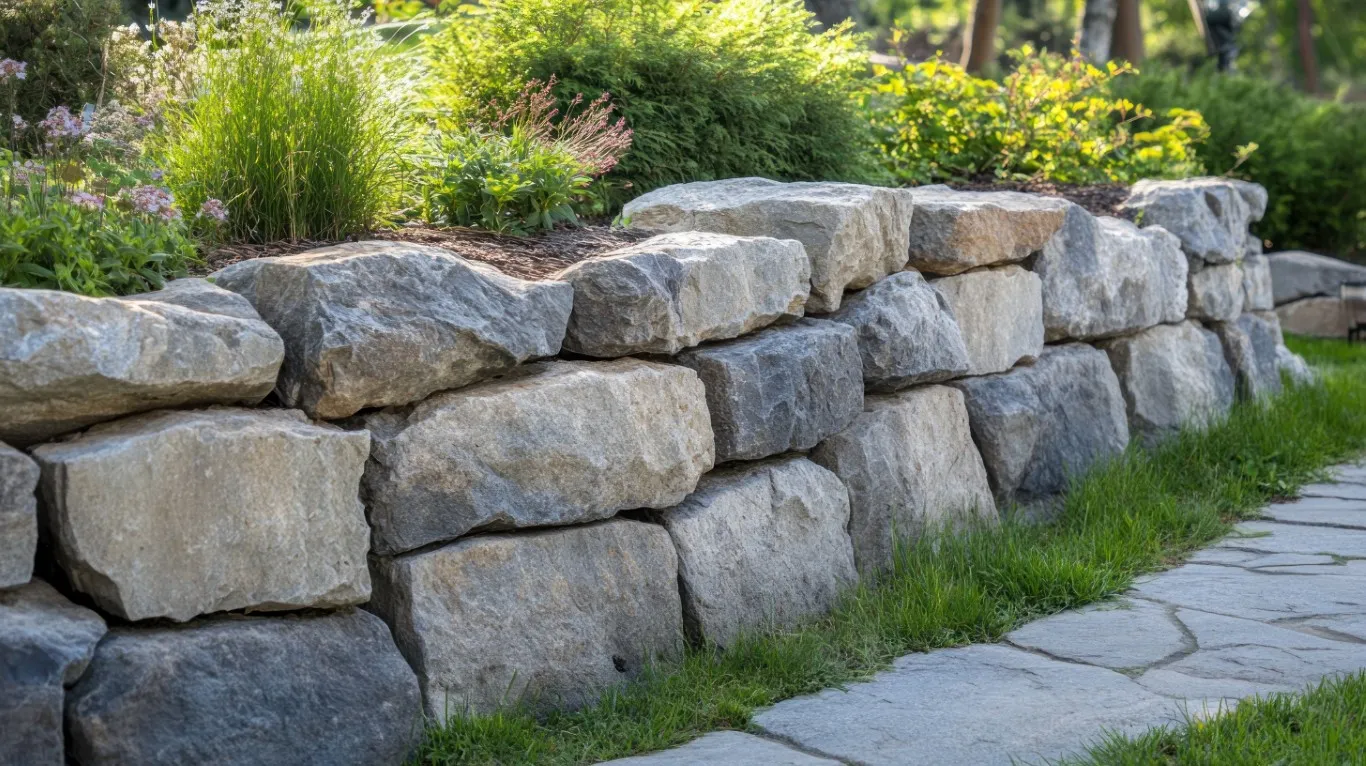


Xeriscaping is more than a trend in Utah Valley—it is a practical and sustainable response to the state’s arid climate. With increasing concerns about water conservation and long-term landscape maintenance, more property owners are turning to drought-tolerant design methods to enhance beauty without overreliance on irrigation. At Utah Valley Landscaping, we approach xeriscaping with both form and function in mind, ensuring every element supports water savings while delivering year-round appeal.
Why Xeriscaping Matters in Utah
Utah’s dry climate and limited water resources make efficient landscape planning essential. Many counties face seasonal watering restrictions, and ongoing drought conditions only reinforce the need for sustainable choices. Xeriscaping reduces water consumption significantly while also decreasing maintenance demands and improving overall landscape resilience.
Common challenges that drive the need for xeriscaping include:
- Hot, dry summers with low precipitation
- High-desert soil types that vary in texture and nutrient levels
- Intense sunlight and heat exposure, especially on south-facing properties
Core Principles of Xeriscaping
Effective xeriscaping in Utah follows seven foundational principles. Each one contributes to long-term success and water efficiency:
- Thoughtful Planning and Design: Begin with a clear layout that groups plants by sun exposure and irrigation needs.
- Soil Improvement: Amend existing soil with compost to enhance water retention and root penetration.
- Appropriate Plant Selection: Use native and drought-tolerant species adapted to Utah’s climate.
- Practical Turf Use: Reduce or eliminate turf areas; replace with groundcovers, artificial turf, or mulched beds.
- Efficient Irrigation: Install drip systems and smart timers to deliver water directly where needed.
- Mulching: Apply mulch to prevent evaporation, reduce weeds, and regulate soil temperature.
- Ongoing Maintenance: Prune, weed, and adjust irrigation seasonally to maintain efficiency and aesthetics.
Choosing the Right Plants for Xeriscaping in Utah Valley
Plant choice is a cornerstone of successful xeriscaping. In Utah Valley, native and regionally adapted plants require less water and care while still delivering strong visual impact.
Recommended drought-tolerant plants include:
- Utah Serviceberry (Amelanchier utahensis)
- Apache Plume (Fallugia paradoxa)
- Russian Sage (Perovskia atriplicifolia)
- Penstemon (multiple varieties)
- Blue Grama Grass (Bouteloua gracilis)
Additionally, understanding microclimates helps determine optimal plant placement. For example, sun-loving species thrive on southern exposures, while north-facing slopes support cooler-season varieties.
Replacing Traditional Lawns
Grass lawns are one of the most water-intensive landscape elements. Reducing turf or removing it entirely makes a significant impact on water conservation.
Alternatives to traditional grass include:
- Decorative gravel or decomposed granite
- Drought-tolerant groundcovers such as creeping thyme or clover
- Artificial turf for play areas, pet zones, and open visual space
Design strategies often blend hardscape with softscape to provide balance, comfort, and color.
Smart Irrigation Techniques
Watering smarter—not more—is a central goal of xeriscaping. Irrigation should align with each zone’s specific needs, avoiding overwatering and runoff.
Best practices for Utah xeriscapes:
- Use drip irrigation or soaker hoses for deep, direct watering
- Install controllers with rain or moisture sensors
- Create irrigation zones by plant type and exposure (hydrozoning)
- Adjust watering schedules monthly, especially from spring to fall
Hardscape and Mulch Considerations
Hardscaping plays both an aesthetic and functional role in water-wise landscaping. Choosing durable, climate-resilient materials ensures longevity with minimal upkeep.
Recommended hardscape features:
- Permeable pavers for walkways and patios
- Stone pathways and seating areas to define outdoor living spaces
- Decomposed granite for driveways or garden paths
Mulch options such as shredded bark, pea gravel, or crushed stone help suppress weeds and retain soil moisture.
Design Inspiration: Front and Back Yard Xeriscape Concepts
A xeriscaped yard does not mean sacrificing visual appeal. With careful planning, you can achieve both elegance and efficiency.
Examples of design concepts include:
- Modern desert: Features geometric pathways, native shrubs, and bold stone accents
- Pollinator garden: Combines flowering natives with seating areas and pollinator-friendly species
- Low-maintenance courtyard: Integrates ornamental grasses, gravel beds, and focal sculptures
Adding functional elements like seating walls, pergolas, or water-efficient fire pits enhances usability and value.
Sustainability Benefits and Long-Term Value
Xeriscaping provides lasting benefits for both property owners and the broader community. These landscapes are built to endure Utah’s extremes with less input and greater output.
Key advantages include:
- Substantially lower water bills
- Reduced fertilizer and pesticide use
- Increased property value through eco-conscious design
- Stronger curb appeal and year-round structure
When to Consult a Xeriscaping Expert
Large-scale or technically complex xeriscaping projects benefit from professional guidance. Our landscape design team works closely with Utah County homeowners, HOAs, and builders to deliver tailored solutions that meet site-specific needs.
Consider working with a professional if:
- Your property has elevation challenges or poor drainage
- You are planning a full-yard overhaul
- You want to integrate efficient irrigation and hardscape simultaneously
We ensure that every feature—plants, surfaces, and structures—aligns with the long-term goals of sustainability, function, and beauty.
Frequently Asked Questions
What is the best time to install a xeriscape in Utah?
Late spring or early fall is ideal, as moderate temperatures reduce plant stress and irrigation needs.
Can xeriscaping still include flowers or greenery?
Yes. Many native perennials and shrubs offer vibrant color and lush texture while thriving on minimal water.
How much water can I save with xeriscaping?
Xeriscaped yards can reduce outdoor water use by up to 60% compared to traditional turf-focused landscapes.
Do I need a drip irrigation system for xeriscaping?
While not mandatory, drip systems significantly improve water efficiency and are highly recommended for plant health.
Is artificial turf considered xeriscaping?
Yes. Artificial turf is often included as a water-free solution for lawn replacement within xeriscape plans.
For expert help planning and executing your xeriscaping project, visit our contact page or explore our full landscape services online.