

Pool installation in Utah County follows four stages: custom design, city permits and site prep, construction, and finishing with decking and landscaping. This guide covers each stage and how Utah Valley Landscaping approaches custom pool design and installation on local lots, so you can plan with confidence and choose the right builder.
Why Are Utah County Families Choosing Custom Backyard Pools?
Utah County families choose custom backyard pools because a pool becomes the place where summers happen: first swim lessons, cannonball contests, birthday parties, and quiet evenings after the kids are asleep. Sloped foothill lots in Alpine and Highland, freeze-thaw winters, and water-conscious landscaping all shape what gets built.
A pool is one of the largest projects you will take on in your outdoor space, and the lot drives most of the design decisions. A custom pool fits the yard and the way your household will use it, from toddler swim time to evening laps, grandkids visiting on the Fourth of July, and a fire pit glowing on cool September nights.
Step 1: How Does Custom Pool Design Work for a Utah Lot?
Custom pool design starts with a conversation about how you want to use the space. The design team then studies your lot’s slope, soil, sun exposure, views, and access to create a plan that fits both. A few extra conversations here save second-guessing once the excavator arrives.
What to Bring to Your First Design Meeting
You don’t need a finished vision, only a clear sense of how you want the space to feel. Gather:
- Photos of pools, patios, and backyards you like, even from homes unlike yours
- Your plat map or property survey, which shows lot lines and easements
- HOA design guidelines, if your neighborhood has them
- A short list of must-haves, such as a shallow lounging ledge, a spa, or room for a lap swimmer
- How you’ll use the pool: toddler splash time, teen pool parties, quiet evening soaks, or all of the above
- Future plans for the rest of the yard, like a sports court, in-ground trampoline, or outdoor kitchen
What Gets Decided During Design
By the end of design, you and your team will have settled:
- Pool size, shape, and depth profile
- Placement relative to the house, sun path, shade, and views
- Pool type and interior finish options
- Location of the pump, filter, and heater equipment
- Decking material and how the patio flows from your back door
- Lighting, fire features, and water features
- The surrounding landscape, including turf, plantings, and walls
Why a Custom Design Beats a Template on Utah Lots
Utah County lots are rarely flat, square, and simple. Foothill homes in Alpine and Highland often sit on slopes with views of Mount Timpanogos, and the pool layout should frame those views instead of blocking them. Older neighborhoods in Provo and Orem tend to have mature trees, irregular lot lines, and existing structures to work around. Newer subdivisions in Lehi and American Fork bring tighter side yards, HOA rules, and limited equipment access.
A common mistake is choosing a pool shape first and fitting the yard around it later. Imagine a hypothetical Highland homeowner who picks a standard rectangle from a brochure, only to find it sits in afternoon shade, blocks the mountain view from the kitchen window, and leaves no room for equipment access. Designing around the lot from the start is the difference between a cookie-cutter inground pool in Utah Valley and one that belongs to its yard.
Step 2: What Permits and Site Prep Does Pool Installation in Utah County Require?
Before digging starts, your pool needs a building permit from your city, HOA approval if required, a utility locate through Blue Stakes of Utah, and a site plan that accounts for soil, drainage, slope, and equipment access.
City-by-City Permitting
Utah County has no single countywide pool permit. Alpine, Highland, Lehi, American Fork, Provo, Orem, and other Utah County cities each run their own building department, with their own submittal requirements, setback rules, and inspection schedules. Homes in unincorporated areas go through Utah County.
A pool permit application in Utah County typically includes a site plan, construction drawings, and electrical details, and each building department sets its own inspection sequence. Each city also sets requirements for safety barriers, such as fencing, self-closing gates, and door alarms. These differ between cities and change over time, so your builder should confirm current rules before finalizing the design.
For a broader look at layered pool safety, the U.S. Consumer Product Safety Commission’s Pool Safely campaign offers practical guidance for families with young children.
Utility Locating
Utah requires anyone excavating to notify Blue Stakes of Utah by dialing 811, so crews can mark buried gas, power, water, and communication lines before digging. Your builder should submit this request and schedule excavation around it.
Soil, Slope, and Access
Much of Utah Valley sits on sediment left behind by ancient Lake Bonneville, and the soil varies widely. Gravel and cobble are common on the benches near the foothills, while finer silts and clays show up in lower areas. Each behaves differently during excavation and under a finished deck.
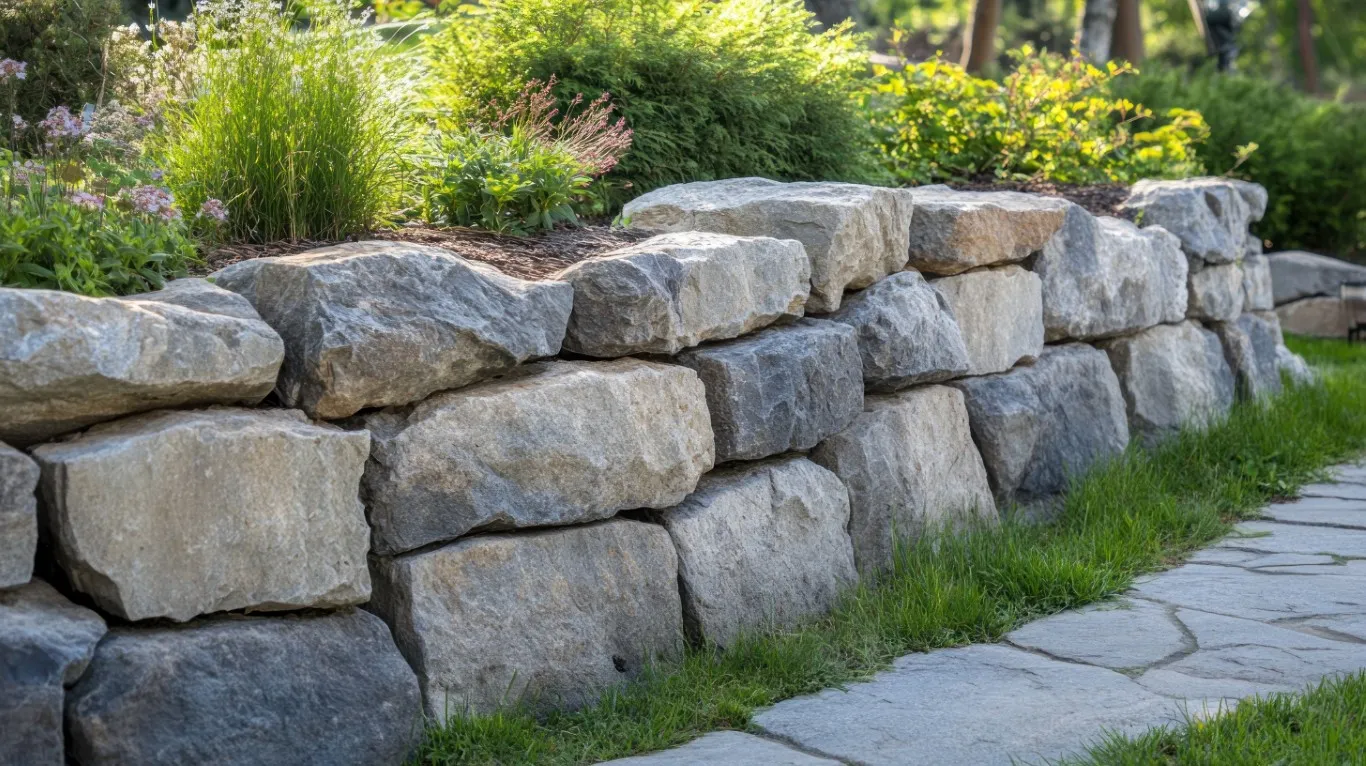
Many foothill properties need grading and retaining walls to create a stable, level pad for the pool and decking. Your team will also plan how equipment reaches the backyard, whether a fence section must come down temporarily, and where the excavated soil goes.
Step 3: What Happens During Pool Excavation and Construction?
Construction moves from layout and excavation to the pool shell, then plumbing, electrical, and equipment, with city inspections before anything gets covered up. If you have kids and pets at home, plan around each stage.
The Build, Stage by Stage
- Layout and excavation. Crews paint the pool outline on the ground and check it against the approved plans, then the excavator digs to the designed shape and depth. Expect a large hole, a pile of soil, and heavy equipment on site.
- Shell and structure. The structural shell goes in next. The process depends on the pool type chosen during design, so ask your builder how they build their shells and what each step protects against.
- Plumbing. Lines run from the drains, skimmers, and return jets to the equipment area. A good crew pressure-tests these lines before burying them, catching leaks while they are easy to fix.
- Electrical and bonding. A licensed electrician runs power to the pump, heater, lights, and controls. The National Electrical Code requires pools to be bonded, meaning metal components are connected so they share the same electrical potential. Your city inspects this work.
- Inspections. Your city inspects key phases, such as the steel or structure, plumbing, electrical, and the safety barrier. Work doesn’t move past each checkpoint until it passes.
- Interior finish and fill. Crews apply the interior surface, fill the pool, and balance the water chemistry for startup.
Why Utah Winters Shape the Build
Freeze-thaw cycles are hard on anything that holds water. Plumbing layout and equipment placement should account for winterization from day one, so you can drain and protect the system when temperatures drop.
Water that collects around or under a deck freezes, expands, and works into cracks. Proper grading keeps runoff moving away from the pool and the home.
Step 4: How Do Decking, Lighting, and Landscaping Complete a Backyard Pool?
The finishing stage connects the pool to the rest of your yard with decking, lighting, fire features, turf, and plantings. It works best when one team designs and installs all of it as a coordinated pool and patio installation in Utah, rather than a string of separate projects.
Pavers vs. Concrete Pool Decking
Both materials work well around Utah pools. Your choice depends on your style, your yard, and how you want the surface to feel underfoot.
- Pavers are individual units set on a compacted base. They flex slightly with freeze-thaw movement, individual pieces can be lifted and replaced, and they come in a wide range of textures and colors. Explore pavers and hardscaping options to see what fits your design.
- Concrete creates a continuous surface that can be broom-finished, stamped, or given a decorative texture. Well-placed control joints help manage cracking as the ground shifts. Learn more about concrete patios, walkways, and pool decks.
Either way, the deck needs a solid base and a slope that carries water away from the pool. Lighter colors stay more comfortable for bare feet on hot July afternoons.
Lighting for Evening Swims
Utah summer evenings cool off fast once the sun drops behind the mountains, which makes night swims popular. In-pool lights, step lights, and path lighting help swimmers see steps, edges, and walkways after dark.
Outdoor lighting for Utah backyards can also highlight trees, walls, and water features. Lighting conduit has to be planned before the decking goes in, one reason to design everything together.
Fire Pits That Stretch the Season
A fire pit near the pool gives swimmers a place to warm up and extends outdoor time into spring and fall evenings. Custom fire pit installation comes in gas or wood-burning styles to match the deck and seating area.
If you are finalizing your pool and patio layout, artificial turf around the pool perimeter is one of the most practical finishing decisions a Utah homeowner can make: no grass clippings in the water, no mud after rain, and no mowing.
Turf and Water-Wise Plantings
Utah’s semi-arid climate and recurring drought mean the landscape around your pool should use water carefully. Alongside turf, xeriscape beds with drought-tolerant plants add color without heavy irrigation.
Avoid species that drop leaves, needles, or berries into the water. Utah State University’s Extension program is a good local resource for plants suited to our high-desert conditions.
Why One Team Makes a Difference
When separate contractors handle the pool, decking, lighting, walls, and landscape, the pieces don’t always line up. Drainage from one contractor’s patio ends up in another’s planter bed, or someone forgets the lighting conduit until after the concrete cures.
Utah Valley Landscaping handles design through installation of the pool plus pavers, concrete, retaining walls, lighting, fire pits, turf, and landscaping under one company, so grading, drainage, and utilities are planned together and every element is drawn on the same plan before the first shovel hits the ground.
How Long Does Pool Installation Take in Utah County?
Timelines depend on design complexity, your city’s permit review, site conditions, and weather. To be swimming by summer, start planning in fall or winter.
A realistic pool construction timeline in Utah has three broad phases:
- Design and approvals. Design meetings, revisions, HOA review, and city permitting. The length depends on how fast you make decisions and how busy your city’s building department is.
- Construction. Excavation, shell, plumbing, electrical, inspections, and interior finish. Soil surprises, inspection scheduling, and weather all affect pacing.
- Finishing. Decking, lighting, fire features, turf, and plantings, followed by final inspection and startup.
Ask any builder for a written schedule based on your yard.
How Utah’s Seasons Affect Scheduling
Crews shouldn’t place concrete, plaster, and many finishing materials in freezing conditions, and frozen ground slows excavation. Spring is also when many Utah homeowners decide they want a pool, so builder calendars fill once the weather warms.
Planning in fall and winter lets you finish design and permitting while the ground is cold, so your project is in line for construction as soon as conditions allow.
To start that process, Contact Utah Valley Landscaping or call (801) 899-9199 to get a free estimate for your yard.
What Questions Should You Ask a Pool Builder in Utah County Before Signing?
Before signing with any pool builder in Utah County, ask about licensing and insurance, permits, local experience, contract scope, schedule, communication, and warranty, and get every answer in writing. A good builder welcomes these questions, so use this checklist with everyone you interview, including us.
Licensing, Insurance, and Permits
- Are you licensed in Utah for this type of work? You can look up contractor licenses through the Utah Division of Professional Licensing.
- Do you carry liability insurance and workers’ compensation, and can I see certificates?
- Who pulls the building permit and schedules inspections?
- How do you confirm my city’s current safety barrier requirements?
Local Experience
- Have you built pools in my city or on lots like mine?
- How do you handle sloped lots, rocky bench soil, or clay?
- Can I see completed projects, including before and after photos?
Contract and Scope
- Does the contract spell out the pool, equipment, decking, lighting, and landscaping, or only the pool?
- What is excluded, such as fencing, fence restoration, or yard repair after equipment access?
- How are change orders handled and documented?
Schedule, Communication, and Warranty
- What is the expected schedule, and what factors can shift it?
- Who is my main point of contact during construction?
- What does your warranty cover, and for how long?
- How do you handle winterization and first-season startup?
A builder’s past projects are one of the best ways to judge workmanship before you commit.
How Do You Start Planning a Pool Installation in Utah County?
Start with a conversation about your yard and how you plan to use it, then get a site-specific estimate based on your lot.
Utah Valley Landscaping designs and builds pools across Utah County, from Alpine and Highland to Lehi, American Fork, Provo, and Orem, with each design planned around the lot’s soil, slope, and seasons.
Cost is the question every swimming pool Utah homeowner asks first, and the honest answer is that it depends on the yard. Pool size and shape, lot slope, grading or retaining walls, equipment access, interior finishes, decking material, and features like lighting, fire pits, and turf all shape the final number. A meaningful estimate starts with a visit to your property, and a free consultation shows you what drives the cost of your project before you commit.
When you are ready to explore pool design and installation in Utah Valley, reach out to our team. Get a Free Estimate online or call (801) 899-9199 to talk through your ideas, your lot, and the next steps toward your first swim.
Frequently Asked Questions
How long does it take to install a pool in Utah County?
There is no single timeline. Each project depends on design complexity, how quickly your city reviews permits, what crews find in the soil, and the weather. Most projects move through three phases: design and approvals, construction with city inspections, and finishing work like decking and landscaping. Quick decisions during design can shorten the front end, while rocky soil or a busy inspection calendar can stretch the middle. Ask your builder for a written schedule based on your yard so you know what to expect at each stage.
Do I need a permit to build a pool in Utah County?
Yes. An inground pool requires a building permit, and in Utah County it comes from your city rather than a countywide office. Cities like Alpine, Highland, Lehi, American Fork, Provo, and Orem each set their own submittal requirements, setbacks, inspection schedules, and safety barrier rules, while homes in unincorporated areas apply through Utah County. You may also need HOA approval, and Utah requires a call to Blue Stakes of Utah at 811 before any excavation begins. A qualified builder typically handles the permit application and inspections, but confirm who is responsible before you sign.
What time of year should I start planning a pool in Utah?
Fall and winter are the best times to start planning if you want to swim the following summer. Using the colder months for design, HOA review, and city permitting puts your project in line for construction as soon as the ground thaws and conditions allow. If you wait until spring, you compete with the many homeowners who decide they want a pool once the weather warms, and builder calendars fill quickly. Starting early also gives you more time to refine the design without feeling rushed.
What pool features work best for Utah’s climate?
The best features handle freeze-thaw winters, hot dry summers, and cool evenings. Pavers flex with ground movement and can be replaced piece by piece. Concrete decking holds up well with properly placed control joints, and lighter colors of either material stay cooler underfoot in July. A heater, a fire pit, and good lighting keep evening swims comfortable after the sun drops behind the mountains and extend pool use into spring and fall. Around the pool, artificial turf and drought-tolerant xeriscape beds cut water use and keep grass clippings and mud out of the water.
Can I add a pool and patio together in one project?
Yes, and combining them usually produces a better result than hiring separate contractors. When one team designs the pool, decking, retaining walls, lighting, and landscaping on the same plan, grading and drainage work together. Details like lighting conduit also get placed before the concrete is poured. You get a single point of contact and one schedule to manage. Utah Valley Landscaping builds the pool along with pavers, concrete, fire pits, turf, and plantings as one coordinated project.
How do I find a reputable pool builder in Utah Valley?
Start by confirming the builder holds a valid Utah contractor license through the Division of Professional Licensing and carries liability insurance and workers’ compensation. Ask to see completed projects in your city or on lots similar to yours, especially if you have a slope, rocky bench soil, or tight access. A reputable builder will provide a detailed written contract that spells out scope, exclusions, change order procedures, schedule, and warranty. Talking with past clients and noticing how clearly each builder answers your questions will tell you a lot about how they communicate during construction.
How do you prepare an inground pool for a Utah winter?
Winterizing protects the plumbing, equipment, and pool structure from damage when water freezes and expands. The general process includes balancing the water chemistry, lowering the water level below the skimmer openings, and blowing water out of the plumbing lines before plugging them. Drain the pump, filter, and heater following the manufacturer’s instructions, then cover the pool to keep out debris. Because the steps vary by pool type and equipment, ask your builder to walk you through the process or handle it for you, and schedule it before the first hard freeze.
Your Backyard Pool Is Worth Building Right
Most Utah County homeowners spend months researching pool installation only to hit the same wall: cost estimates that vary wildly, builders who are hard to reach, and no clear picture of what the finished yard will actually look like. That uncertainty is expensive in both time and money, and it tends to delay a project that was the right idea from the start.
Leaving the question unanswered doesn’t make it cheaper. Builder calendars fill every spring, material prices shift, and another summer passes without the backyard your family has been talking about. A pool that could have been enjoyed for years sits as a plan on the counter instead.
Utah Valley Landscaping designs and builds pools across Utah County, managing the full project from the first site visit through final inspection, with the pool, decking, lighting, fire features, turf, and landscaping all planned by one team on one drawing. There are no hand-offs between contractors and no surprises about what was or wasn’t included.
When you are ready to move from planning to building, Contact Utah Valley Landscaping online or call (801) 899-9199 to schedule a site visit and get a free estimate based on your specific yard.