
A backyard should keep up with your kids, not turn into bare dirt and mud by midsummer. Artificial turf handles soccer, running games, tumbling, and trampoline surrounds well, but basketball and pickleball still need a hard court. For most Utah County families, the smartest artificial turf sports court Utah plan pairs play-grade turf with a dedicated court. That plan starts with knowing what separates a play surface from standard artificial turf installation.
Can One Backyard Really Handle Soccer, Trampolines, and Hoops?
Yes, when it is designed around how your family actually plays. Give every activity its own surface, and soccer, bouncing, and pickup basketball can all happen at once.
Picture a summer evening in Alpine or Highland. The younger kids are on an in-ground trampoline, older siblings are running a scrimmage across soft green turf, and someone is sinking free throws while dinner comes off the grill. Nobody is tracking mud inside, and nobody spent the morning mowing.
That usually means three zones: a turf lawn for running games, a hard court for anything that bounces or rolls, and paver or concrete connections that tie them together. How much space each zone gets depends on your lot size, your grade, and which activities your kids play most.
Below, you will find which activities belong on turf, which need a hard court, and how to specify turf that holds up to Utah’s high-desert sun and freeze-thaw winters.
Is Sports Turf Different From Regular Artificial Grass?
Yes. Landscape turf is built mainly to look like a lush lawn, while play-grade and sports turf is built to handle constant foot traffic, quick direction changes, and rolling balls. Treating them as interchangeable is a common mistake in sports turf installation Utah projects.
Built for Looks vs. Built for Use
Landscape turf often uses longer, softer blades that look beautiful from the patio. Under daily sneakers, cleats, and knees, those blades tend to mat down, especially along the paths kids run most.
Turf designed for active use has shorter, denser, more resilient fibers that spring back after traffic. Balls roll more predictably, and the surface wears more evenly.
What’s Under the Blades Matters Too
The parts you don’t see matter as much as the fibers:
- Backing: The layer the blades attach to. Sturdier backing resists stretching and seam separation in high-traffic areas.
- Drainage: Permeable backing lets rain and snowmelt pass through instead of pooling, which matters during Utah’s spring thaw.
- Base: The compacted gravel layer beneath the turf. A properly graded, compacted base keeps the surface flat and helps it resist heaving through freeze-thaw cycles.
- Cushioning: Some play areas add a shock pad, a foam or composite underlayment that changes how the surface feels underfoot.
Bottom line: ask for a product the manufacturer recommends for play or sports use, not just the prettiest sample.
What Sports and Activities Work Well on Artificial Turf?
An artificial grass sports surface Utah County families rely on is a great fit for running, kicking, tumbling, and throwing. Sports that depend on a consistent bounce or on wheels need a hard court.
Great on Turf
- Soccer and small-sided scrimmages
- Flag football, catch, and throwing drills
- Tag, relay races, and general running play
- Cartwheels, tumbling practice, and backyard yoga
- Lawn games like cornhole, roundnet, and ladder toss
- Batting-tee and pitching practice for younger players
- Trampoline surrounds, replacing the muddy, hard-to-mow ring around the jump zone
An in-ground trampoline with turf Utah installation sits flush with the yard for a clean, finished look, with no trimming around the frame. Follow the trampoline manufacturer’s clearance guidance when planning the surrounding turf.
Better on a Hard Court
- Basketball, since turf absorbs the bounce and makes dribbling nearly impossible
- Pickleball and tennis, which need a firm, true bounce
- Four square, hopscotch, and sidewalk chalk games
- Bikes, scooters, skateboards, and roller skates, since wheels drag on turf and heavy wheeled toys wear fibers over time
- Roller hockey and street hockey
If anything on this list is on your family’s wish list, plan a hard court alongside the turf. For a deeper look at choosing between court types, see which backyard court is right for your family.
How Do You Combine Turf and a Sports Court in One Backyard?
Strong designs treat the court and turf as one connected space, with clean transitions, shared drainage, and a layout that lets different ages play at the same time. A backyard turf and sports court combination Utah homeowners rely on gives you bounce where you need it and softness everywhere else.
Combinations that work well:
- Half-court basketball framed by a turf play lawn, so some kids shoot hoops while others kick a ball nearby
- A pickleball court with a turf strip for spectators, chairs, and a sideline cooler
- A court, trampoline, and turf lawn linked by a single path for a full activity loop
- A multi-use turf installation Utah design striped for several sports, backed by open turf for field games
Transitions are the key. Where turf meets the court, a solid edge keeps turf from lifting and stops infill from migrating onto the playing surface. Borders and walkways built with pavers and hardscaping work well between zones and give the yard a finished look.
Ready to build a turf and court combo that fits your family? Utah Valley Landscaping designs and installs artificial turf sports surfaces, concrete courts, pavers, and connecting hardscape as one cohesive project. One team plans grades, drainage, and edges together from the start, so you get a multi-use space built for Utah’s climate without coordinating multiple contractors. Contact Utah Valley Landscaping or call (801) 899-9199 to talk through your yard.
What Infill and Pile Height Should You Ask for in a High-Use Play Area?
Ask for the pile height and infill the manufacturer recommends for active play, and have your installer explain why that combination fits your activities. A soccer lawn, a tumbling zone, and a trampoline surround each ask something different of the surface.
The Terms in Plain English
- Pile height: How tall the blades are. Shorter, denser pile suits ball roll and heavy traffic, while taller pile leans toward a lush look.
- Face weight: How much fiber is packed into the turf. Denser turf feels fuller and stands up better to wear.
- Infill: The granular material brushed between the blades. It weighs the turf down, helps blades stand upright, and affects how the surface feels.
Artificial turf infill for play areas comes in several types, including sand, coated sand, rubber granules, and organic blends. Each has tradeoffs in feel, how well it stays put, and how it behaves in heat, so handle samples and review the manufacturer’s specs before choosing turf for your play area in Utah.
Questions to Ask Your Installer
- Does the manufacturer recommend this product for play or sports use?
- Which infill do you recommend for our activities, and why?
- How will you prepare, grade, and compact the base for our soil and drainage?
- Is a shock pad an option, and what does the manufacturer publish about it?
- Where will seams fall, and how will they hold up in the busiest zones?
- How will the turf be edged where it meets the court, pavers, or planting beds?
- How should we clear snow without damaging the fibers?
- What routine care does this surface need, such as brushing or topping off infill?
- What warranty covers the product and the installation?
Base prep, seaming, and edge details are where quality shows up long after installation day.
Does Artificial Turf Get Too Hot for Kids in Utah Summers?
Yes, artificial turf heats up in direct sun, and on a clear July afternoon in Utah County it gets uncomfortable for bare feet and knees. Thoughtful design and simple habits keep turf for kids play area Utah installations livable through summer.
Utah Valley sits above 4,000 feet in a high-desert climate with intense, clear-sky sun, so any surface in full afternoon exposure gets hot. Plan around it:
- Use shade strategically. Place turf play zones where the house, trees, a pergola, or a shade sail blocks late-afternoon sun.
- Time the fun. Mornings and evenings are prime summer play hours.
- Rinse before play. A quick spray from a hose takes the edge off temporarily, so plan a hose bib near the play area.
- Ask about product options. Some turf products and infills are marketed for heat management, so have your installer explain the manufacturer’s claims and tradeoffs.
- Check first. Touch the turf before little ones head out, just as you would a slide.
Safe play on any surface still comes down to supervision, well-maintained equipment, and following manufacturer guidance for trampolines and hoops.
How Should You Lay Out a Backyard Play and Sports Zone?
Give each activity its own space, connect the zones with clear paths, and keep play areas visible from where adults gather.
Imagine a family with young kids and teens on a sloped lot in Highland planning synthetic turf backyard sports Utah. Here is how the pieces come together:
- Start with sightlines. Put the trampoline and turf lawn where parents can see them from the kitchen, patio, or fire pit.
- Place the court thoughtfully. Consider ball containment, noise toward neighbors, and sun glare. Ball fencing or netting keeps stray balls out of gardens.
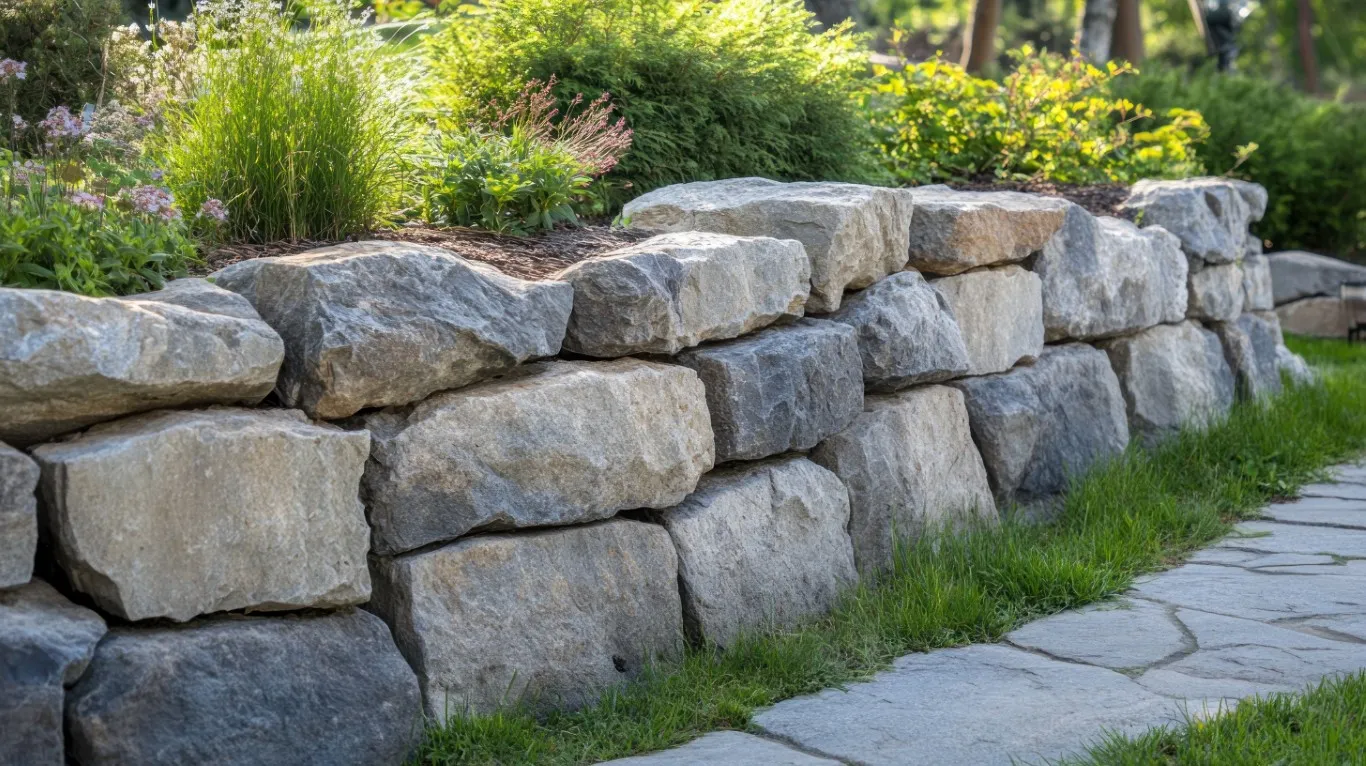
- Solve grade and drainage early. Courts need a flat, stable base, and the sloped benches common in Alpine and Highland often call for retaining walls to create level space.
- Give the trampoline room. Follow the manufacturer’s clearance guidance from fences, trees, and structures.
- Connect with hardscape. Paver or concrete walkways link zones, cut down on infill tracked indoors, and give wheeled toys a place to roll.
- Soften the edges. Water-wise planting beds frame play zones. Turf areas skip lawn irrigation, which fits water-conscious landscaping. Check with your city or water district about any local programs.
- Light it for evenings. Court and path lighting extend playtime after sunset.
- Add a spot for grown-ups. A fire pit or patio near the action turns game night into a family gathering.
A yard like that doesn’t come from a template. It comes from matching every activity to the right surface and building it well for Utah’s climate.
Ready to plan an artificial turf sports court in Utah that fits your family? Contact Utah Valley Landscaping or call (801) 899-9199.
Stop Settling for a Yard That Can’t Keep Up
Most Utah County families don’t lack space. They lack a plan that matches each activity to the right surface, accounts for Utah’s freeze-thaw winters and high-desert heat, and holds up to years of daily use. A grass lawn that turns to mud, a bare dirt ring around the trampoline, and no room for a real court add up to a yard the kids stop using by August.
Left unsolved, it compounds: more muddy shoes tracked inside, a backyard that looks worn out by July, and kids gravitating to the neighbor’s yard instead of yours. The real cost is the evenings your family isn’t spending together outside.
Utah Valley Landscaping solves this with a single-team approach. Turf, courts, pavers, lighting, and hardscape are planned and installed together, so grades, drainage, and transitions work correctly from day one. There are no cookie-cutter templates and no multiple contractors chasing each other’s work.
If you are ready to build a backyard that handles soccer, trampolines, and hoops without turning to mud, the next step is a conversation. Visit our Artificial Turf service page to see what Utah Valley Landscaping installs, then reach out to get started.
Frequently Asked Questions
Can you use artificial turf as a sports court surface?
Artificial turf works well for field-style activities like soccer, flag football, and running games, but it can’t replace a true hard court. Turf absorbs a ball’s bounce, so basketball, pickleball, and tennis play poorly on it. Scooters, skates, and other wheeled toys also drag on the fibers and wear them down over time. If your family wants both kinds of play, pair a dedicated hard court with a turf area for everything else.
What type of artificial turf is best for high-traffic play areas?
Look for a product the manufacturer specifically recommends for play or sports use, and don’t choose based on looks alone. These turfs typically have shorter, denser, more resilient fibers that recover after repeated foot traffic instead of matting down. A sturdy, permeable backing and a well-compacted gravel base matter just as much, because they help prevent seam separation, pooling, and uneven spots. Ask your installer to show you the manufacturer’s specs and explain why a product suits your family’s activities.
Does artificial turf get too hot for kids to play on in Utah?
It can, especially on sunny summer afternoons when turf sits in full, direct sun. Placing play zones where trees, the house, a pergola, or a shade sail blocks late-day sun makes a noticeable difference. Scheduling play for mornings and evenings and rinsing the turf with a hose also help, though the cooling from water is temporary. Always touch the surface with your hand before young children go out to play.
Can I combine artificial turf with a concrete sports court?
Yes, and it’s one of the most practical layouts for active families, since each surface handles what it does best. A solid edge where the turf meets the concrete keeps the turf from lifting and stops infill from spreading onto the court. Plan grading and drainage for both areas together so water moves away from the court and drains through the turf properly. Having one team design and install the turf, court, and connecting hardscape makes these details easier to get right.
What infill should I use for a backyard sports turf area?
The right infill depends on the turf product and how you plan to use the space, so start with what the manufacturer recommends for active play. Common options include sand, coated sand, rubber granules, and organic blends. Each differs in how it feels underfoot, how well it stays in place, and how it responds to heat. A soccer lawn, tumbling area, and trampoline surround may each call for a different choice, so ask your installer to walk you through samples and explain their recommendation.
Is artificial turf safe for kids playing barefoot?
Many families let kids play barefoot on turf, and a few precautions keep it comfortable. On sunny days, check the surface temperature by hand, since turf in direct sun can get uncomfortably hot for bare feet. Regular brushing and a quick sweep for sticks, rocks, or small toys keep the surface clean, and well-secured seams and edges reduce tripping spots. For questions about specific materials, review the manufacturer’s product information or ask your installer.
Does artificial turf work around an in-ground trampoline?
Turf is an excellent match for an in-ground trampoline because it replaces the muddy, worn ring that usually forms around the jump area. With the trampoline set flush to the ground, turf gives a clean, finished look and removes the need to trim grass around the frame. Proper base preparation and secure edging around the trampoline help the turf stay in place under heavy use. Follow the trampoline manufacturer’s clearance guidance when planning the surrounding turf and nearby features.